
Plants
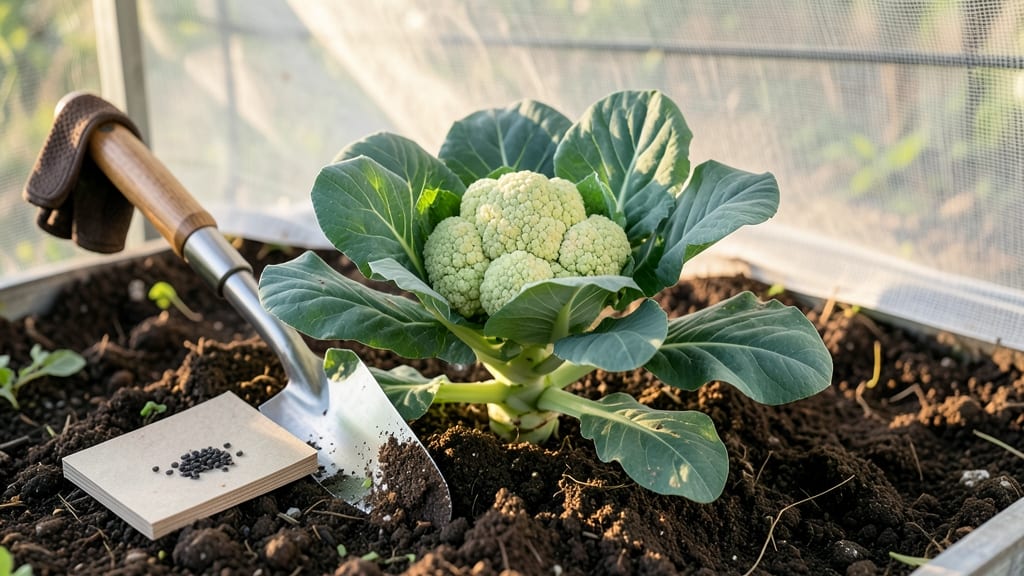
If you’ve ever watched your 🥬 cauliflower heads turn bitter or bolt into flowers before harvest, you know the frustration of getting the timing wrong when to plant cauliflower in Zone 9b’s brutal heat.
The key to success isn’t just picking a month—it’s mastering the cool-season window when temperatures drop just enough to let these finicky plants thrive.
Most gardeners in Zone 9b (think Phoenix or the Southern California desert) assume summer planting is the way to go, but that’s a recipe for disappointment. The truth? Your best shot is planting between October and December, when daytime highs dip below 75°F—the sweet spot for cauliflower growth.
Miss this window, and you’ll either bake your plants or risk bolting before they mature.
Here’s the game-changer: I’ll walk you through the exact steps to time your planting, from soil prep to shade strategies, so you can harvest plump, flavorful heads by spring. No more guesswork—just heat-smart growing that actually works in your climate.
Ready to skip the trial-and-error? Let’s dive into the perfect timing and techniques that’ll transform your Zone 9b garden into a cauliflower powerhouse—without the stress.

Best planting windows for cauliflower in Zone 9b (avoiding heat stress)
Zone 9b’s hot summers and mild winters make cauliflower planting a delicate timing game. The key? Plant when daytime temps stay between 50-65°F—any hotter, and your plants will bolt prematurely, turning bitter and inedible. For me, that means fall planting (October-December) is the gold standard, but with a few tricks, you can also squeeze in winter harvests.
Most gardeners in Phoenix or Southern California focus on October starts because the soil stays warm enough to germinate seeds, but nights cool down fast. By November, daytime temps drop to the ideal 60-70°F range, perfect for head formation.
If you’re impatient, you can even try January plantings, but growth will slow dramatically in cooler spells.
Here’s the hard truth: Summer planting is a no-go unless you’re using heat-tolerant varieties like ‘Cheddar’ and shade cloth. Even then, expect stress and poor yields.
The best bet is to align your planting with cooler months, when your cauliflower can focus on head development instead of surviving heat shock.
🌱
From this table, you can see why November is prime time—it balances warm days and cool nights, giving your cauliflower the perfect environment to grow tight, flavorful heads.
But if you’re eager for an early harvest, October plantings can work if you monitor soil temps closely (they should stay above 50°F for germination).
Pro tip: Use a soil thermometer to check temps before planting. If your soil is warmer than 75°F, wait a week or two—heat-stressed seeds either won’t sprout or produce weak seedlings that bolt immediately.
I’ve wasted three batches of seeds by ignoring this rule, so don’t make my mistake!
For Zone 9b gardeners, succession planting is your friend. Instead of planting all your seeds at once, stagger them every 2-3 weeks from October through December.
This ensures a continuous harvest and reduces bolting risk by keeping plants at different growth stages. Plus, it’s a great way to extend your season into early spring.
One critical factor I’ve learned is variety selection. Not all cauliflower is created equal. Heat-tolerant varieties like ‘Cheddar’ or ‘Graffiti’ handle warmer temps better than classic Snowball Y Improved, which bolts at the first sign of stress.
If you’re pushing the envelope with January plantings, opt for slow-bolting types to give yourself a better chance.
Finally, don’t
Best planting windows for cauliflower in Zone 9b (avoiding heat stress)
In Zone 9b, cauliflower thrives in cool winter months when temperatures stay between 50-65°F. Planting outside this range risks bolting (premature flowering), which turns your perfect heads into bitter, seed-filled stalks.
My best advice? Aim for October through December—this gives your plants time to mature before spring heat arrives.
Zone 9b’s summer heat (often exceeding 90°F) is deadly for cauliflower. Even transplants struggle when daytime temps hit 80°F. That’s why I never plant in spring or summer—unless you’re growing heat-tolerant varieties like ‘Cheddar’ or ‘Graffiti’ with shade cloth protection.
🌱 Did You Know? Cauliflower needs 60-80 days to harvest, so late October planting typically yields heads by February-March—just before spring’s heat ramps up. Miss this window, and you’ll be left with small, bitter heads or none at all.
| Planting Window | Ideal Temp Range | Harvest Window | Key Risk |
|---|---|---|---|
| Late September | 60-75°F | December-January | Bolting if temps rise above 75°F |
| October-November | 50-65°F | February-April | None (ideal) |
| December-January | 45-60°F | March-May | Slow growth in cold snaps |
| February-March | 60-70°F | May-June | Heat stress by April |
For successive planting, I stagger seeds every 2-3 weeks from October through December. This ensures a continuous harvest and reduces the risk of losing your entire crop to a single heatwave.
Start with transplants (available at nurseries) for faster results, or direct-sow seeds if you’re patient—just be ready to thin seedlings to 12 inches apart.
Pro tip: Use a soil thermometer to monitor temps. Cauliflower roots prefer 60°F soil—any hotter, and your plants will stress and bolt.
In my Zone 9b garden, I’ve had the most success with shade cloth over young plants during late winter to protect them from unpredictable warm spells.
If you’re new to cauliflower in hot climates, start small. Test a few plants in containers with shade cloth before committing to a full bed. This way, you’ll learn your microclimate’s quirks—like how my south-facing raised bed heats up faster than the shaded in-ground plot.