
Trees
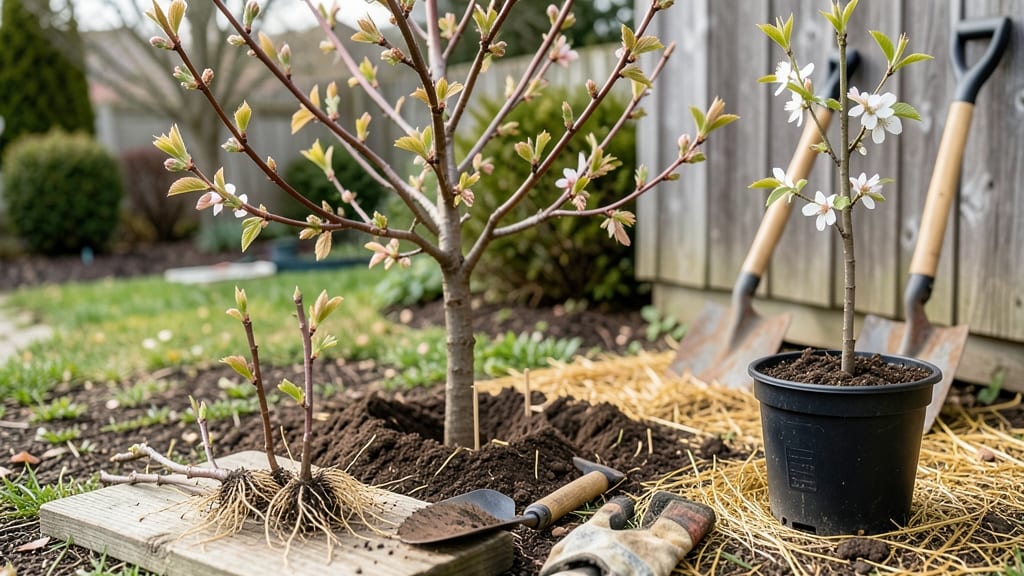
Planting cherry trees in Zone 5 at the wrong time can mean the difference between a thriving 🍒 orchard and years of struggling growth—so timing isn't just important, it's critical.
With last frosts lingering until mid-April and first frosts arriving as early as October, you need to plant when the soil is warm enough but the weather isn't too hot.
Most gardeners in Zone 5a-5b swear by early spring planting, typically between late March and early April, when the ground thaws but before buds break. This gives roots 6-8 weeks to establish before summer heat arrives.
Fall planting (September to early October) also works well, letting roots settle before winter dormancy kicks in.
Bare-root cherry trees are the most popular choice for Zone 5, as they adapt quickly to cooler soil temperatures. Container-grown trees offer flexibility but require careful transplanting to avoid shock during these critical windows. Either way, proper mulching and consistent watering after planting are your secret weapons for success.
Let me walk you through the exact soil temperature thresholds, variety-specific timing, and post-planting care routines that will set your cherry tree up for a lifetime of fruit production. You'll never second-guess your planting schedule again.

Ideal planting windows for cherry trees in Zone 5
When planting cherry trees in Zone 5, timing is everything. The two best windows are early spring (March-April) and fall (September-October), but each has unique advantages for root establishment and frost survival. Let’s break down what makes each window work—and why rushing it can backfire.
Zone 5’s variable climate means spring can swing from freezing nights to sudden warmth in weeks. Planting too early risks frost damage to tender new roots, while waiting too long delays growth.
Fall planting, on the other hand, lets roots acclimate before winter, but you must finish 6-8 weeks before first frost to avoid stress.
For bare-root cherry trees, early spring is ideal because soil warms quickly, encouraging rapid root growth. Container-grown trees, however, can handle fall planting better since their roots aren’t exposed. Either way, avoid planting when soil temps drop below 40°F—this slows root development and invites rot.
| Planting Window | Best Timeframe | Soil Temp | Key Advantages | Risks to Avoid |
|---|---|---|---|---|
| Early Spring | March–April | 40–50°F | Rapid root growth, full growing season ahead | Late frosts, dry soil |
| Fall | September–October | 50–60°F | Established roots before winter, fewer pests | Early frost, waterlogged soil |
In Zone 5a (colder), prioritize fall planting to give roots time to harden off. Zone 5b (warmer) can stretch spring planting slightly later, but always check your last frost date—typically mid-April to early May.
Pro tip: Use a soil thermometer to confirm temps before planting; roots won’t thrive below 40°F.
If you miss both windows, don’t panic—just container-grow your cherry tree for a season and transplant next year. But for best results, align planting with moist, cool soil and minimal frost risk. This balance is your ticket to a healthy, fruiting tree in just a few years.
One common mistake? Planting too close to summer. Late spring/early summer heat stresses young trees, and they struggle to establish roots before dormancy. Stick to the early spring or fall windows, and your cherry tree will reward you with years of sweet (or tart) harvests.
For dwarf varieties like Stella or Lapins, timing is slightly more flexible—they mature faster and handle transplant shock better. But standard varieties (e.g., Bing) demand precision. Always mulch heavily after planting to retain moisture and regulate soil temps.
Remember, Zone 5’s microclimates vary—urban areas may warm faster than rural spots. Scout your yard in March or September to find the sunniest, south-facing location. This spot will give your cherry tree the 6+ hours of sunlight it craves for fruit production.
Finally, water deeply after planting—15–20 gallons for young trees—and keep soil moist for the first 2–3 months. This single step can double your tree’s survival rate in Zone 5’s unpredictable climate.
Ideal planting windows for cherry trees in Zone 5
In Zone 5, your cherry tree's success hinges on planting during two critical windows: early spring or fall. These periods align with the tree's natural growth cycles and give roots time to establish before extreme weather arrives.
Spring planting (late March to early April) lets roots grow aggressively before summer heat, while fall planting (September to early October) allows roots to settle before winter dormancy.
Most Zone 5 gardeners prefer bare-root cherry trees for spring planting because they adapt quickly to cooler soil temperatures. Container-grown trees offer flexibility but require careful handling to avoid transplant shock during these windows.
Either way, timing is everything—plant too early, and frost can damage tender roots; too late, and summer heat stresses the tree before it establishes.
| Planting Window | Soil Temperature | Key Advantages | Zone 5 Deadline |
|---|---|---|---|
| Early Spring | 40-50°F | 6-8 weeks for root growth before summer heat | Late March - early April |
| Fall | 50-60°F | Roots establish before winter dormancy | September - early October |
For spring planting, aim to finish by mid-April in Zone 5a or early May in 5b to avoid late frosts. Fall planting should wrap up by October 1st to allow roots to harden off before winter. Both windows avoid the tree's dormant period (December-February) when it's least resilient to stress.
Pro tip: Check your local USDA hardiness zone map for microclimate variations. Urban areas often warm up faster in spring, while rural spots may stay cooler longer. Adjust your planting by 1-2 weeks based on your specific location's frost patterns.
After planting, focus on mulching (3-4 inches of organic mulch) to retain moisture and regulate soil temperature. Water deeply once a week for the first month, then taper to bi-weekly as roots establish. This post-planting care is just as critical as timing itself for long-term success.
Remember, cherry trees thrive with full sun exposure (6+ hours daily) and well-draining soil. If your site has heavy clay, amend with compost or sand before planting to improve drainage. The right timing plus proper site prep sets your tree up for decades of fruit production.