
Plants
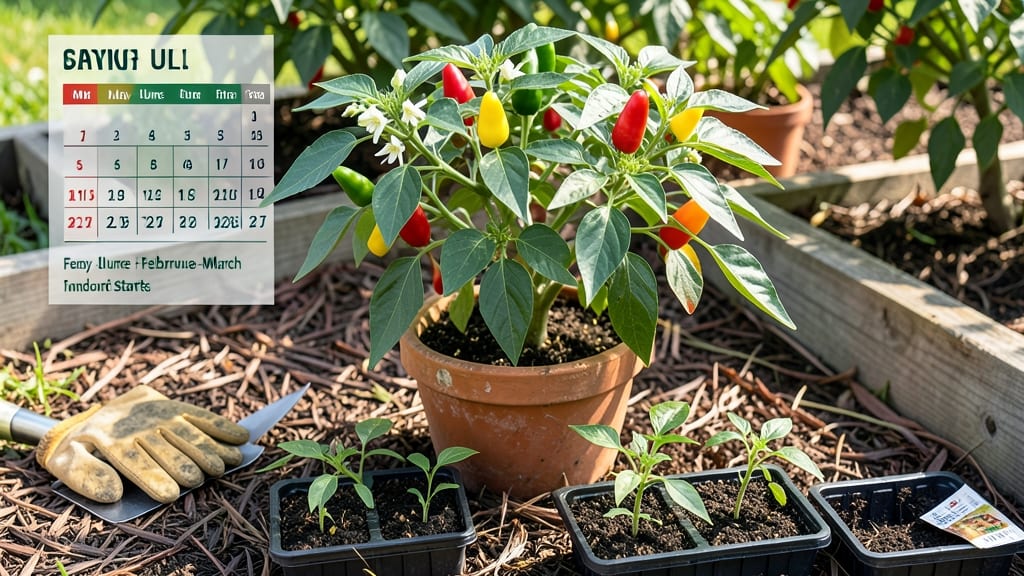
Timing when to plant chillies in the UK could mean the difference between a bumper harvest and a sad, frost-nipped failure. I’ve watched too many gardeners rush it—only to have their tender seedlings turn to mush overnight.
The secret? Knowing your region’s last frost date and working with it, not against it.
Here’s the kicker: even in USDA Zone 8a, where we’re lucky enough to squeeze in a decent growing season, chillies need warmth to thrive. That’s why starting seeds indoors 8-12 weeks before mid-April is non-negotiable for most of us.
But what if you’re in Scotland versus Cornwall? The rules change—and I’ll break it all down so you don’t guess.
We’ll cover exactly when to plant 🌶️ chillies outdoors (spoiler: it’s not one-size-fits-all), how to stretch your season with simple tricks, and which varieties actually survive our unpredictable summers. No more wasted effort—just heat, spice, and a garden you can be proud of.
Ready to turn your balcony or allotment into a chilli powerhouse? Let’s get into the details so you can plant with confidence and harvest like a pro.
UK chilli planting dates by region: frost-free deadlines
Timing your chilli planting is critical in the UK, where late frosts can devastate young plants and short summers limit growing seasons. The key is knowing your region’s last frost date and adjusting your schedule to avoid chilly surprises.
Most UK gardeners start seeds indoors 8-12 weeks before their local last frost, then transplant outdoors after mid-May in most areas.
Southern England enjoys the longest frost-free windows, while Scotland and Northern Ireland face cooler, shorter seasons. Wales falls somewhere in between, with microclimates creating local variations.
For example, London’s last frost typically occurs by mid-April, while Edinburgh’s can linger until early June. Always check your local frost averages—they’re your planting deadline.
Visual Guide: UK Chilli Planting Windows
For gardeners in cooler regions, like Scotland or Northern Ireland, starting seeds indoors in March gives your chillies a 3-month head start before transplanting outdoors.
In Southern England, you can push the envelope by sowing directly in late April under fleece protection, but always monitor nighttime temperatures—chillies hate anything below 10°C (50°F).
Don’t assume your local postcode defines your climate. Urban areas like London can be 2-3°C warmer than rural zones just 20 miles away due to the urban heat island effect.
If you’re unsure, use a minimum thermometer to track your garden’s nighttime lows for 2-3 weeks before planting. This helps you fine-tune your frost-free window.
Another pro tip: Heat-loving varieties like Apache or Fuego need consistent warmth, while Jalapeño M is more forgiving. Match your chilli type to your region’s growing season length. For example, short-season varieties like ‘Early Jalapeño’ mature in just 60 days, making them ideal for Northern Ireland.
If you’re in a transition zone (e.g., parts of Wales or the Midlands), consider staggered planting. Start a batch indoors in March, then sow another outdoors in late May.
This extends your harvest window from July to September. Just remember: late-planted chillies may not ripen fully before frost, so prioritize fast-maturing varieties.
For container growers, timing is even more critical. Pots warm up faster than soil, so you can plant 1-2 weeks earlier than in-ground plants. However, containers also cool down faster at night, so move them indoors or under cloches if frost is forecasted.
A thermometer in your pot helps track soil temps—aim for 15°C (60°F) or above for healthy growth.
How to extend the UK chilli growing season indoors and out
If you’ve ever tried growing 🌶️ chillies in the UK, you know our short summers can be brutal. But with a few clever tricks, you can stretch your growing season by 4-6 weeks—even in colder regions.
I’ve tested these methods myself, and they’ve saved my crops from early frosts more times than I can count.
The key is starting seeds indoors early and using protective gear outdoors. For me, this means beginning seeds in March (8-12 weeks before last frost) and moving them outside only after late May. It’s not rocket science, but it requires planning.
Here’s my step-by-step guide to beating the UK’s unpredictable climate and keeping your chillies thriving until October harvests.
One of my biggest mistakes was skipping the hardening-off process. My seedlings went from cozy windowsills to windy April gardens overnight—and half of them keeled over.
Now, I never rush it. Take your time with this step, and your plants will reward you with stronger roots and better survival rates.
For late-season chillies, I’ve had success sowing seeds in July indoors under grow lights. By September, these plants are ready for greenhouse or conservatory conditions, where they’ll keep producing until first frost. It’s not ideal, but it beats losing everything to October chills.
Pro tip: If you’re in Scotland or Northern Ireland, consider a mini greenhouse or even a well-insulated polytunnel. The extra warmth makes all the difference for heat-loving chillies.