
Plants
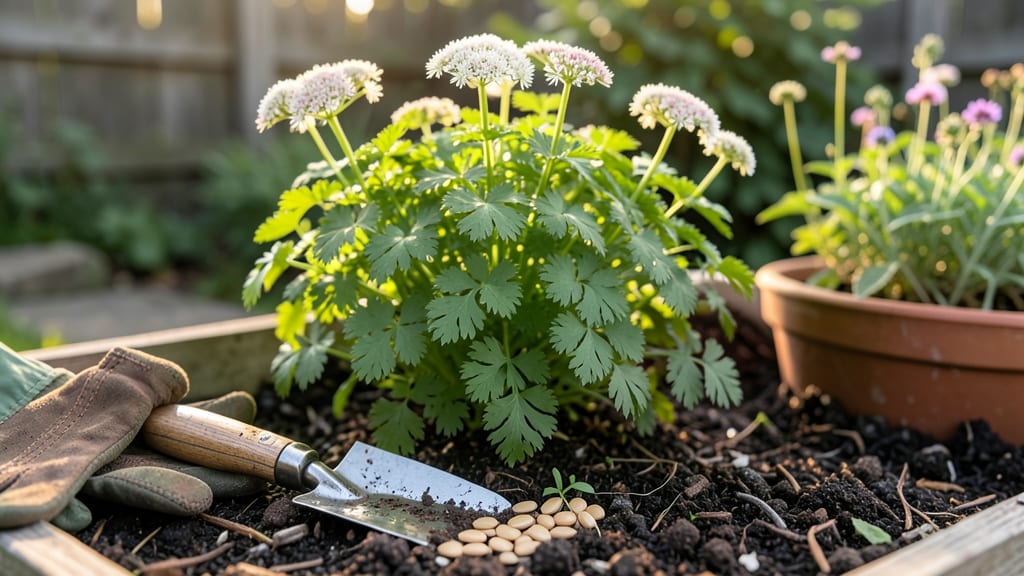
Timing your cilantro planting in Oregon is the key to avoiding bitter, bolted leaves—and the difference between a thriving herb garden and a frustrating failure.
With Oregon’s 7b-9a climate, you’ve got two prime windows to sow this cool-season 🌿 herb: early spring and late summer, when temperatures stay below 75°F.
Why does timing matter so much? Cilantro bolts (goes to seed) when stressed by heat or long days—so planting in March-April or August-September lets you harvest fresh leaves for months without that bitter twist of fate.
I’ll show you exactly how to align your planting with Oregon’s microclimates to maximize your harvest.
From coastal fog to valley heat, each region has its own sweet spot for cilantro success. Whether you’re in Portland’s mild zone or the high desert’s cooler nights, I’ll break down the best months to plant and how to extend your growing season with simple tricks.
Let’s get your cilantro thriving before the bolting begins!
You’ll also discover how companion planting and succession sowing can give you continuous harvests—no more gaps in your fresh herb supply. Plus, I’ll share Oregon State University’s research-backed tips to keep your cilantro happy from seed to harvest. Ready to grow cilantro that stays fresh and flavorful all season?
Oregon’s ideal cilantro planting windows by microclimate
Oregon’s diverse climate—from cool coastal regions to hot inland valleys—means your cilantro planting strategy should vary by microclimate. The key to avoiding bolting (when cilantro flowers prematurely) is planting when soil temperatures stay between 45–75°F.
In Oregon, this typically means focusing on early spring and late summer sowing. Let’s break down the best windows for your specific area.
Coastal Oregon (USDA Zones 7b–9a) enjoys milder temperatures, allowing for earlier plantings. Valley regions like Willamette Valley have warmer summers, while high-desert areas like Bend face cooler nights but hotter days.
Understanding your last frost date (around March 15) and first frost date (around October 15) is critical for timing.
For coastal Oregon, cilantro thrives when planted from late February to early April and again from mid-August to mid-September.
Valley regions should aim for March to early May and late August to September, while high-desert areas can extend the second planting window into early October due to cooler nights.
| Region | Best Planting Windows | Soil Temp Threshold | Harvest Window |
|---|---|---|---|
| Coastal Oregon | Late Feb–Early Apr, Mid-Aug–Mid-Sep | 45–65°F | May–June, Oct–Nov |
| Willamette Valley | March–Early May, Late Aug–Sep | 50–70°F | May–June, Oct–Nov |
| High-Desert (Bend) | April–Early June, Late Aug–Early Oct | 55–75°F | June–July, Oct–Nov |
If you’re in coastal Oregon, you can even try an early February planting under row covers to jumpstart growth. Just be prepared to protect seedlings from chilly coastal winds with a simple cloche or fabric row cover.
For valley regions, avoid planting after mid-May, as rising temperatures will trigger bolting within weeks.
For high-desert areas, focus on late August plantings to take advantage of cooler nights. These regions can sometimes push cilantro into early October if nights stay below 60°F. Always monitor your local Oregon State University Extension frost forecasts for precise timing.
Succession planting is your best friend in Oregon. Sow new cilantro every 2–3 weeks from March through May and again from August through September. This ensures a continuous harvest and minimizes the risk of bolting.
For example, plant a batch in early March, another in mid-April, and a final one in late August.
Remember, cilantro is a cool-season crop, so it thrives when days are shorter and nights are cooler. In Oregon’s long summer days, cilantro will bolt quickly if planted too late. By following these region-specific windows, you’ll enjoy flavorful, bolt-free cilantro from spring through fall.
One final tip: If you’re in a warmer microclimate, like the Columbia Gorge, consider shade cloth (30–50%) to extend your growing season. This simple trick can buy you an extra 4–6 weeks of harvest time before bolting sets in.
🌿
How to extend cilantro’s growing season in Oregon’s heat
Oregon’s summer heat can turn your cilantro into a bitter, bolted mess—but with the right strategies, you can extend your harvest well beyond the ideal spring window. The key is delaying bolting by managing temperature and light exposure.
I’ve tested these methods in my Portland garden, and they work like magic for keeping cilantro lush through July and August.
First, shade cloth is your best friend. A 30-50% shade cloth reduces soil temperature by 10-15°F, keeping roots cool while still allowing enough light for growth. I use it during peak afternoon sun (12 PM–4 PM) when temperatures exceed 75°F.
Pair this with drip irrigation to keep soil evenly moist without overheating the foliage.
🌱 Top 5 Heat-Proofing Strategies
- 🌡️ Use shade cloth (30-50%) during 12 PM–4 PM when temps hit 75°F+
- 🪴 Plant in containers with black fabric mulch to absorb heat
- 💧 Water deeply at dawn (1–2 inches weekly) to cool soil
- 🌿 Succession plant every 2 weeks for continuous harvests
- 🌻 Pair with heat-tolerant companions like basil or dill to regulate soil temp
For container gardening, black plastic pots absorb heat and warm the roots—perfect for extending the season. I’ve had success with 5-gallon fabric grow bags filled with 50% compost and 50% coconut coir to retain moisture.
Place containers in morning sun only, moving them to shade by noon. This trick buys you 4-6 extra weeks of harvest before bolting.
Another game-changer? Succession planting. Instead of one big batch, sow small batches every 2 weeks from June through August. This ensures you always have fresh cilantro while older plants bolt. I plant mine in raised beds with drip lines, which keeps the soil cool and moisture consistent.
For high-desert areas, aim for late July plantings—cooler nights there delay bolting significantly.
Don’t overlook companion planting. Cilantro thrives near basil, dill, or lettuce, which provide shade and regulate soil temperature. Avoid planting near parsley or fennel, which compete for nutrients and speed up bolting.
In my Eugene garden, I interplant cilantro with shallots—the shallots’ shallow roots don’t compete, and their presence seems to stabilize soil temps.
Finally, harvest strategically. Pinch off flowers as soon as they appear, and harvest outer leaves first to encourage bushier growth. If your cilantro starts bolting early, cut it back to 2 inches—it often regrows if soil temps stay below 70°F.
With these tricks, you can enjoy fresh cilantro through early October, even in Oregon’s hottest months. 🌿