
Plants
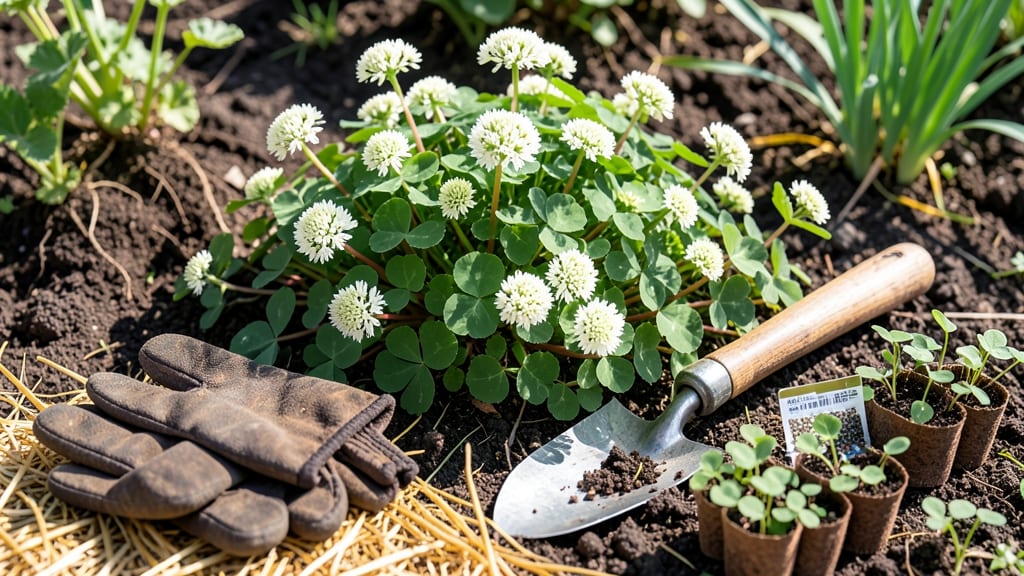
Timing your clover planting in Indiana can mean the difference between a lush, weed-smothering ground cover and a patchy, underwhelming mess. With Indiana's 5b-6b climate zones, you've got two perfect windows to plant this hardworking 🌱—early spring or early fall—when temperatures cooperate and frost isn't lurking.
Let me cut to the chase: Planting in March-April or August-September gives clover the best shot at establishing strong roots before summer heat or winter chill sets in.
This isn't just about throwing seeds into the dirt—it's about working with Indiana's quirky weather patterns to create a living mulch that outcompetes weeds and feeds your soil naturally.
What you'll discover here is how to align your planting schedule with Indiana's frost dates, soil temperatures, and even which clover varieties thrive best in each season.
Whether you're restoring a pasture, improving garden soil, or just tired of pulling weeds, getting the timing right is the key to fast, reliable results.
Ready to transform your yard or farm with fast-growing clover? Let's dive into the exact months, soil prep secrets, and variety recommendations that'll have your clover thriving before you know it.
Optimal Indiana planting windows: spring vs fall timing for clover success
Indiana’s USDA Zones 5b-6b create a unique challenge for clover planting—too early, and frost will kill tender seedlings; too late, and summer heat stresses young plants. The best windows are early spring (March-April) and early fall (August-September), when soil temperatures hover between 50°F–70°F, ideal for germination.
Northern Indiana gardeners (Zones 5b) should aim for late April to early May planting, while southern Indiana (Zone 6b) can start as early as March 15. Fall planting works best 4–6 weeks before first frost (typically mid-October), giving clover time to establish roots before winter dormancy.
🌱 Key Takeaway: Spring planting offers faster ground cover, while fall planting reduces weed competition and improves soil structure over winter.
| Planting Window | Ideal Months | Soil Temp | Pros | Cons |
|---|---|---|---|---|
| Early Spring | March–April | 50°F–65°F | Fast establishment, full summer growth | Weed competition risk |
| Late Spring | May | 60°F–75°F | Lower weed pressure | Slower growth before winter |
| Early Fall | August–September | 60°F–70°F | Reduces weeds, improves soil | Limited summer growth |
For northern Indiana, prioritize late April planting to avoid late frosts. Southern Indiana gardeners can push March 15–April 15 for faster coverage. Always check Indiana’s frost-free date maps—last frost typically occurs April 15 (north) to April 1 (south).
Fall planting is ideal for soil improvement. Seed August 1–September 15 to let clover establish before winter. Avoid planting after September 20, as seedlings may not harden off before frost.
Use a soil thermometer to confirm temperatures. Clover seeds need 50°F+ soil to germinate. In cooler years, delay until soil warms to 60°F+.
Pro tip: Mix clover seeds with ryegrass for temporary cover while clover establishes. This dual-purpose mix reduces erosion and weeds during the critical first 4–6 weeks.
Indiana’s clay-heavy soils benefit from fall planting because winter rains help break up compacted soil, creating better seedbeds. Spring-planted clover may struggle with drought stress if summer arrives early.
Monitor local weather forecasts for 10-day outlooks. If a heatwave (>90°F) is predicted after planting, provide light shade cloth until seedlings are 2–3 inches tall.
Optimal Indiana planting windows: spring vs fall timing for clover success
Indiana’s 5b-6b hardiness zones create a unique challenge for clover planting—too early, and frost zaps your seeds; too late, and summer heat stunts growth. The golden windows are March-April for spring and August-September for fall, when soil temperatures hover between 50°F-70°F—perfect for germination.
Spring planting gives clover 6-8 weeks of warm weather to establish before summer dormancy, while fall planting lets it grow roots without competing with summer weeds. Northern Indiana’s cooler microclimates may push planting back 1-2 weeks compared to southern regions.
Here’s how Indiana’s frost dates shape your planting schedule:
For northern Indiana (Zones 5b), aim for late April spring planting or early September fall planting to avoid early frosts. Southern Indiana (Zones 6a-6b) can plant 2 weeks earlier in both seasons.
Pro tip: Use a soil thermometer to confirm temperatures—clover seeds need at least 50°F to germinate. If your soil runs cooler, wait 1-2 weeks for better success.
Fall planting is my top recommendation for Indiana gardens—it avoids summer heat stress and gives clover a head start before winter. Just be sure to plant 6 weeks before the first frost to allow root establishment.
Timing isn’t everything, but in Indiana’s variable climate, it’s the difference between success and struggle. With these windows, your clover will establish quickly, crowd out weeds, and improve your soil naturally—no guesswork required.