
Plants
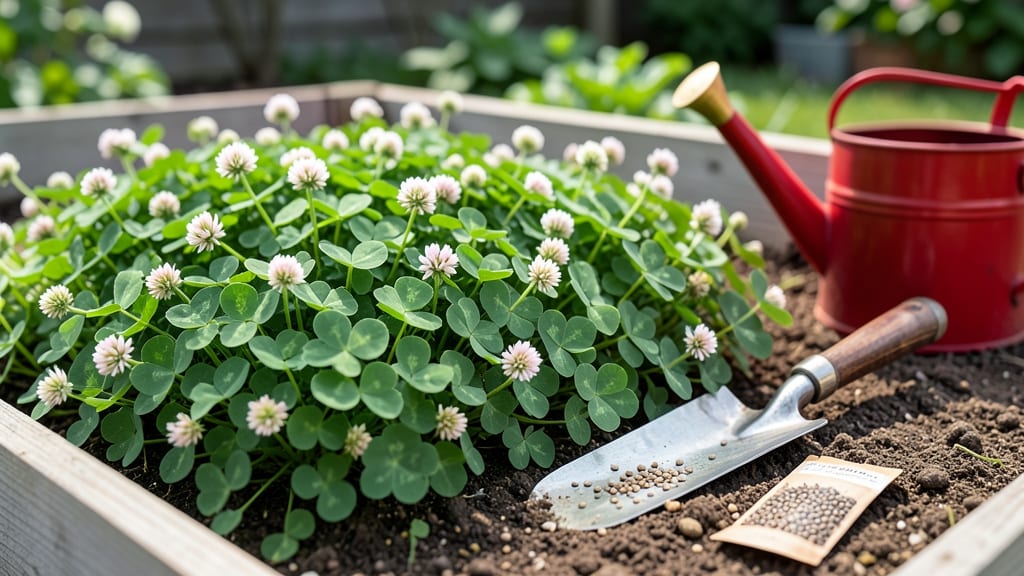
Timing your clover planting in spring can make all the difference between a thriving green cover and wasted seeds. The ideal window—early to mid-spring—depends on soil warmth and frost risk, not just calendar dates.
In USDA Zone 6a, like many gardeners, you’ll want to plant after the last frost, typically around mid-April, when soil temperatures hit at least 50°F.
Why does this matter? Clover seeds need consistent moisture and warmth to germinate, and planting too early risks frost damage. But waiting too long can delay the benefits of this hardy, nitrogen-rich plant.
The key is balancing soil conditions with your local climate—whether you’re in a cooler northern region or a milder southern area.
I’ll walk you through how to check soil temperature, adjust for your region, and prepare your garden for success. With the right timing, you’ll have lush 🌱 clover ready to improve soil health and attract pollinators by late spring. Let’s get started.
Ready to transform your garden? Avoid common mistakes like planting too deep or in dry soil, and discover the best preparation steps for a flourishing clover patch. Your spring planting could be the game-changer your yard needs.
Optimal soil temperature for planting clover in spring
Clover thrives when planted in soil that’s warm enough to encourage quick germination, but not so hot that seeds dry out. The ideal soil temperature range for planting clover in spring is between 45°F and 60°F.
Below this, seeds may rot; above it, they risk drying before sprouting. This window typically aligns with late March to early May in most U.S. regions, but timing varies by USDA hardiness zone.
To test your soil temperature, use a simple soil thermometer (or a meat thermometer in a pinch). Insert it 2-3 inches deep—the depth where clover seeds will be planted—and check readings in the morning (7-9 AM), when temps are most stable.
If your soil is below 45°F, wait 1-2 weeks before planting, as clover seeds need warmth to break dormancy.
Northern climates (Zones 3-5) often see soil reach 45°F by late April or early May, while Southern regions (Zones 7-10) can plant as early as February or March.
Microclimates—like sunny slopes or sheltered garden beds—can warm up 1-2 weeks earlier than the general forecast, so monitor your specific spot.
Clover seeds are delicate and require consistent moisture to germinate. If your soil is above 60°F but still damp, you can plant, but prioritize shade cloth or afternoon shade to prevent surface drying. Mulching with straw or compost helps retain moisture and regulates temperature fluctuations.
One common mistake is assuming "spring" means March 1st—but clover doesn’t care about calendar dates. Instead, focus on soil temperature and frost risk. For example, in Zone 6a, planting in early March might mean seeds freeze, while waiting until mid-April ensures safer germination.
| Region | USDA Zone | Optimal Planting Window | Soil Temp Goal | Notes |
|---|---|---|---|---|
| Northern (MN, WI, NY) | 3-5 | Late April–Early May | 45–50°F | Use black plastic mulch to warm soil faster. |
| Midwest (IL, OH, MI) | 5-6 | Mid-April–Late April | 50–55°F | Cover seeds with light mulch to retain moisture. |
| Southern (TX, LA, GA) | 7-10 | February–March | 55–60°F | Plant early to avoid summer heat stress. |
| Pacific Northwest (WA, OR) | 6-8 | Early April–Mid-April | 48–52°F | Wait for nighttime temps above 40°F. |
If your soil is too cold to plant, don’t panic—clover seeds can be stratified (chilled) to mimic winter conditions. Place seeds in a damp paper towel, seal in a plastic bag, and refrigerate for 7-14 days before planting.
This tricks seeds into thinking winter has passed, speeding up germination once soil warms.
For container gardening, soil warms faster than in-ground beds. Use heat-retaining pots (like black plastic or fabric grow bags) and place them in sunny, sheltered spots. Monitor soil temps closely, as containers can overheat quickly in afternoon sun.
Once clover seeds germinate, they grow rapidly in warm soil. Aim for a dense stand by sowing seeds ¼ inch deep and 1 inch apart. Thin seedlings to 3-4 inches apart once they’re 2-3 inches tall to reduce competition.
This ensures your clover patch establishes quickly and starts fixing nitrogen into the soil.
Pro tip: Mix clover seeds with sand or compost before sowing to improve seed-to-soil contact and prevent clumping. This simple trick can double your germination rate in less-than-ideal conditions.
Optimal soil temperature for planting clover in spring
Clover seeds need warm soil to germinate, but planting too early can leave them vulnerable to frost damage. The ideal soil temperature range for clover is 45-60°F, with 50°F being the sweet spot for most varieties. This warmth signals seeds to break dormancy and sprout consistently.
In Northern climates (USDA Zones 3-5), wait until late April or early May when soil finally warms. Southern regions (Zones 7-9) can plant as early as mid-February, but monitor nighttime temperatures—any dip below 40°F risks seed death.
To test your soil temperature, use a soil thermometer buried 2 inches deep—this mimics where seeds will be planted. Check readings in the morning (soil is cooler then) and afternoon (warmer) to get a full picture.
Red clover germinates fastest at 60°F, while white clover thrives at 50-55°F. Alsike clover, a cooler-tolerant variety, can handle 45°F soils. Match your clover type to your region’s warming trends for best results.
| Clover Type | Ideal Soil Temp (°F) | Best Planting Window | Regional Notes |
|---|---|---|---|
| Red Clover | 60-65°F | Late April–May | Fastest germination; avoid cold snaps |
| White Clover | 50-55°F | Early April–June | Tolerates cooler soils; great for early spring |
| Alsike Clover | 45-50°F | March–April | Cold-hardy; ideal for Zone 3-5 |
If your soil is too cold, warm it faster by covering beds with black plastic for 1-2 weeks before planting. This raises temperatures by 5-10°F and jumpstarts germination. Just remove the plastic 24 hours before sowing to avoid overheating seeds.
Once your soil hits the right temperature, plant clover seeds ¼-inch deep and keep them moist but not soggy until sprouts appear in 7-14 days. Patience here pays off—rushed planting leads to patchy, slow-growing clover that struggles to establish.