
Plants
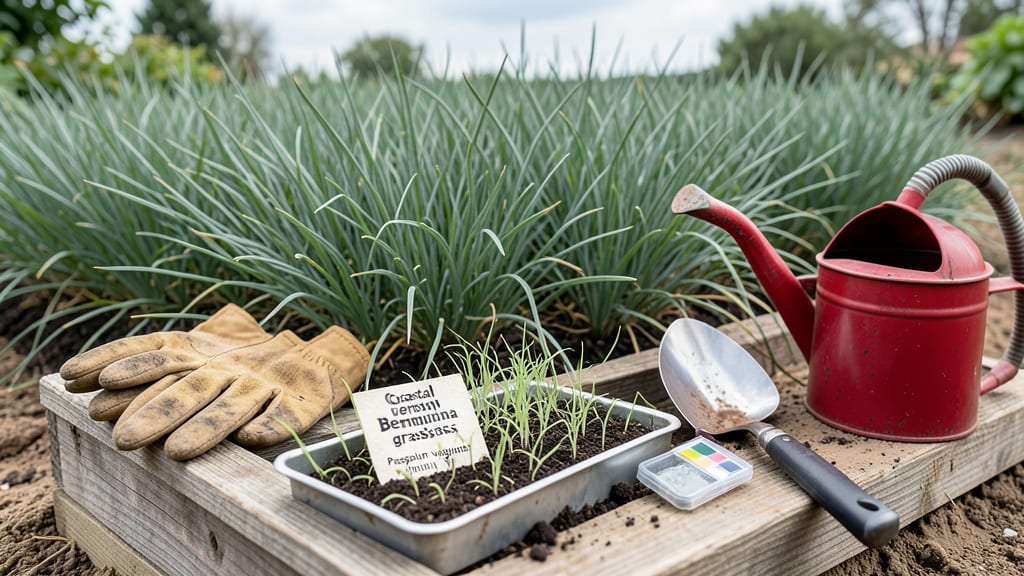
If you're planting the best time to plant coastal hay in Texas, timing is everything—get it wrong, and you might end up with patchy growth or wasted seed.
This hardy grass thrives in the 9a-10b zones, but knowing exactly when to plant it makes all the difference, especially in Texas' unpredictable climate.
The best window for planting 🌱 Coastal Bermudagrass is late winter to early spring, between February and March, when soil temperatures rise and frost risks fade. This gives the grass enough time to establish strong roots before the brutal Texas summer heat sets in.
Why does timing matter so much? Because Coastal Bermudagrass is drought-resistant but still needs the right conditions to take hold. Planting too early risks frost damage, while waiting too long can lead to slow growth when water and nutrients are scarce.
In this guide, I’ll break down the ideal planting schedule for your region, soil prep tips for sandy or saline areas, and how to maximize yield—so you can enjoy lush, resilient forage year-round without the guesswork.
Optimal planting windows for Coastal hay in Texas by region
Planting Coastal Bermudagrass at the right time can mean the difference between a lush, high-yield forage field and a patchy, struggling stand. In Texas, the ideal planting window shifts dramatically between the North, Central, and South regions due to varying frost dates and soil temperatures.
Let's break down the best months for each zone to maximize your drought-resistant forage.
For North Texas (USDA Zones 7b-8a), where frost dates are more extreme, aim to plant Coastal Bermuda hay between late February and early April.
This timing ensures soil temperatures reach the 60°F minimum needed for germination while avoiding late-spring heat stress on young seedlings. Central Texas (Zones 8a-8b) can start slightly earlier, with mid-February to mid-March being optimal.
In South Texas (Zones 9a-10b), where frost is rare and heat arrives early, the window shifts to January through early March. This allows the grass to establish before the summer heat wave hits.
However, planting too early in South Texas can expose seedlings to unpredictable cold snaps, so monitor weather forecasts closely.
Here’s a quick reference for optimal planting months by region, accounting for soil temperature, rainfall patterns, and heat tolerance:
| Region | USDA Zone | Optimal Planting Window | Soil Temp Requirement | Key Consideration |
|---|---|---|---|---|
| North Texas | 7b-8a | Late February - Early April | 60°F+ | Avoid late frost risk |
| Central Texas | 8a-8b | Mid-February - Mid-March | 65°F+ | Balanced rainfall timing |
| South Texas | 9a-10b | January - Early March | 70°F+ | Early heat arrival |
If you’re planting in coastal areas, like the Gulf Coast, you can push the window slightly earlier due to warmer winter soils. However, avoid planting when soil moisture is too high, as this can lead to fungal diseases like Pythium.
Aim for well-drained soils with consistent moisture but no standing water.
For inland or upland areas, where soils may dry out faster, consider irrigating lightly after planting to maintain 60-70% soil moisture until germination. This is especially critical in North and Central Texas, where spring droughts can stall establishment.
One pro tip for Texas ranchers: If you’re planting in sandy soils (common in coastal areas), mix organic matter like compost or peat moss into the top 4-6 inches of soil. This helps retain moisture and nutrients, giving your Coastal Bermuda hay the best start in saline-prone soils.
Finally, always check the 10-day weather forecast before planting. If heavy rains or high winds are predicted, delay seeding until conditions stabilize. Coastal Bermuda hay seeds are tiny, and erosion or flooding can wash them away before germination.
Timing your planting right ensures your drought-resistant forage gets off to a strong start, setting the stage for high yields all season long. 🌱
Critical factors that determine Coastal hay planting success
Coastal Bermudagrass thrives in Texas because it’s built for heat and drought—but only when planted under the right soil temperatures, rainfall patterns, and heat wave timing. Skimp on these factors, and you’ll end up with patchy growth or wasted seed. Let’s break down the non-negotiables for success.
First, soil temperature is the #1 predictor of germination success. Coastal hay seeds need soil at 65-75°F to sprout reliably. In Texas, this typically means waiting until late February to early March in most regions. Use a soil thermometer to confirm—cool mornings can fool you into planting too early.
Next, rainfall timing makes or breaks establishment. Aim for 1-1.5 inches of rain within the first 2-3 weeks after planting. If drought hits early, supplement with daily morning watering until roots establish. Texas’ unpredictable spring showers mean planning flexibility—don’t wait for perfect conditions.
Key Success Factors
"Coastal hay’s heat tolerance is its superpower—but only if planted when soil temps are ideal."
Don’t overlook heat wave timing. Planting too early (before March 15) risks frost damage, while planting too late (after April 15) exposes seedlings to 100°F+ soil temps, which can scorch them.
Aim for warm days but cool nights—this balance gives roots time to establish before summer’s intensity.
For coastal Texas, salinity and sandy soils add another layer. Test your soil’s salt content—Coastal hay tolerates up to 6 dS/m, but higher levels require gypsum amendments before planting. Inland areas with clay soil? Loosen the top 6 inches to improve drainage and air flow.
Finally, fertilizer timing matters just as much as planting. Apply a starter fertilizer (16-4-8 NPK) at planting, then wait 6-8 weeks before top-dressing with nitrogen. Over-fertilizing early burns tender roots—patience pays off with drought-resistant growth.
When these factors align, Coastal hay doesn’t just survive Texas’ climate—it thrives. Track your local soil temps and rainfall forecasts for 2 weeks pre-planting to lock in the best window. 🌱