
Plants
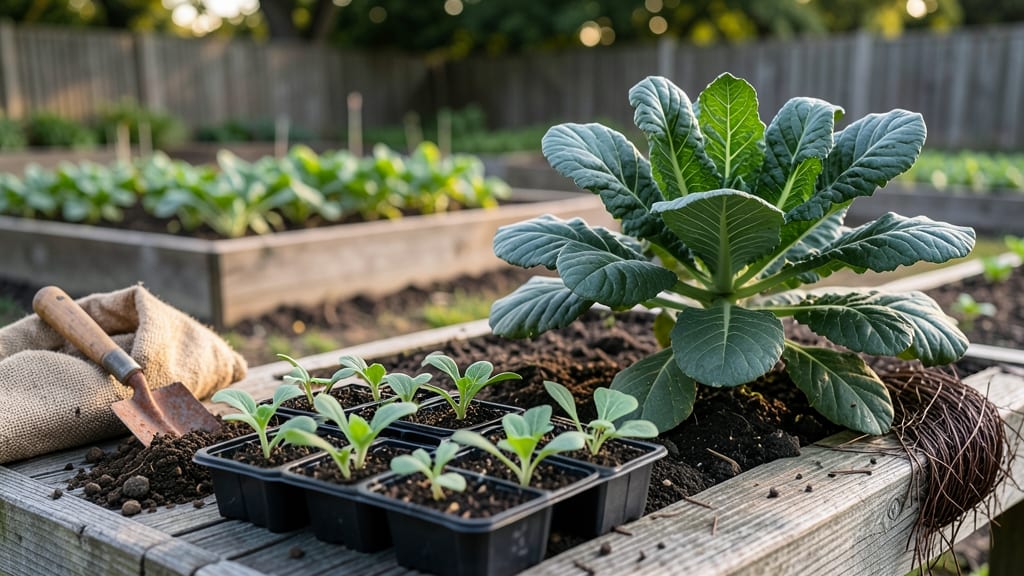
If you're dreaming of a bountiful harvest of collard greens in Tennessee, timing your planting is the key to avoiding frost damage and maximizing those lush, flavorful leaves.
With Tennessee's USDA Zones 6-8 offering diverse climates—from the cooler Appalachian mountains to the warmer valleys—knowing the perfect window makes all the difference.
Most gardeners in Tennessee plant collards in early spring as soon as the soil warms, but did you know late summer is another great option? This dual approach lets you enjoy fresh greens from summer through fall, even as temperatures rise.
The trick is understanding how your specific zone handles heat and frost, so you don’t miss the ideal planting moments.
In this guide, I’ll break down the exact frost-free windows for each Tennessee zone, including when to start seeds indoors and when to transplant outdoors.
You’ll also discover succession planting tips to stretch your harvest season and protect your collards from unexpected late frosts—because nobody wants their hard work cut short!
Whether you're a first-time gardener or a seasoned green thumb, these strategies will help you grow collards that thrive year after year. Let’s get those seeds in the ground at the perfect time for a harvest that’ll make your kitchen—and your taste buds—happy.
Best planting times for collard greens in Tennessee by hardiness Zone (6-8)
Tennessee’s USDA hardiness zones 6-8 offer two prime windows for planting collard greens: early spring and late summer. These cool-season crops thrive when soil temperatures stay between 50-70°F, making timing critical to avoid frost damage or summer bolting.
Let’s break down the ideal planting schedule by zone, including frost-free dates and heat tolerance tips for southern Tennessee.
In Zone 6 (East Tennessee), where last average frost dates range from April 15-30, aim to plant 4-6 weeks before your last frost. For Zone 7 (Middle Tennessee), with frost dates around March 15-April 15, you can start slightly earlier.
Meanwhile, Zone 8 (West Tennessee) gardeners have a longer window—planting as early as February 15 is safe, but avoid late spring heat.
For fall harvests, focus on late summer planting (August-September) to ensure mature leaves before first frost. In Zone 6, this means planting by August 15, while Zone 8 can extend planting until September 15.
Southern Tennessee’s longer growing season allows for succession planting every 2-3 weeks after your initial planting.
🌱 Key Tip: Use a soil thermometer to confirm soil temps are above 50°F before planting. Cold soil slows germination and invites damping-off disease.
If you’re in Zone 8 (West Tennessee), you can push the envelope with early spring plantings as soon as February 15, but use row covers to protect seedlings from unpredictable cold snaps.
For Zone 6 gardeners, focus on late March plantings to align with soil warming trends. Always check your local frost dates—they can vary by 1-2 weeks even within the same zone.
💡 Pro Tip: Plant heat-tolerant varieties like ‘Georgia Southern’ or ‘Top Bunch’ in Zone 8 for summer crops. These varieties handle 90°F+ temps better than traditional types. Pair them with shade cloth during peak afternoon heat to prevent bolting.
For container gardening in Tennessee, start seeds indoors 4-6 weeks before your last frost date. Use biodegradable pots to transplant seedlings directly into the garden, reducing transplant shock. Containers also help manage soil temperature in urban areas where microclimates can differ significantly from rural zones.
Always monitor 7-day forecasts before planting. A hard freeze warning (below 28°F) can devastate young seedlings. If frost is predicted, use frost blankets or row covers to protect your crop. In Zone 6, this is especially critical for early April plantings.
Remember, collard greens are biennial plants—meaning they’ll often survive mild winters in Tennessee and produce larger harvests the following year. If you plant in late summer, mulch heavily with straw or leaves to insulate roots and extend the growing season into early winter.
Best planting times for collard greens in Tennessee by hardiness Zone (6-8)
Tennessee’s USDA Zones 6-8 offer diverse planting windows for collard greens, but the key is avoiding late frosts in spring and extreme summer heat. In Zone 6 (eastern TN mountains), start seeds indoors by March 15 for transplanting after the last frost (April 15-May 1).
Meanwhile, Zone 7 (middle TN) and Zone 8 (western TN) can plant directly outdoors as early as March 1, with a second planting in late July-August for fall harvests.
The 14-21 day seedling stage is critical—wait until soil reaches 50°F+ to prevent cold damage. For summer plantings, focus on Zone 8, where heat tolerance is higher, while Zone 6 gardeners should prioritize spring and fall windows to avoid bolting from summer heat.
| Zone | Spring Planting Window | Fall Planting Window | Summer Option? |
|---|---|---|---|
| 6 | March 15 (indoors) → April 15 (outdoors) | August 15-September 15 | No (heat risk) |
| 7 | March 1 (outdoors) → April 1 | August 1-September 10 | Yes (late July) |
| 8 | February 15 (outdoors) → March 15 | July 15-September 30 | Yes (July-August) |
For Zone 6 gardeners, use row covers to extend spring planting until May 1, while Zone 8 can push summer plantings into early August for fall harvests. Always check your local frost dates—Tennessee’s Appalachian regions can have 2-3 weeks earlier frosts than the western valleys.
Pro tip: Plant heat-tolerant varieties like 'Blue Max' or 'Georgia Southern' for summer crops in Zone 7-8. These handle 90°F+ better than traditional types. In Zone 6, stick to early spring plantings and use shade cloth during summer heat waves.
Remember, collards thrive in 60-75°F soil temperatures. Use a soil thermometer to confirm readiness—planting too early in cold soil leads to rot and poor germination. For Zone 7-8, mulch heavily in summer to keep roots cool and retain moisture.
Start with 4-6 week old seedlings for best results, and space plants 12-18 inches apart to allow airflow and prevent disease. This spacing is especially critical in Tennessee’s humid summers, where fungal issues like downy mildew can devastate crops.