
Plants
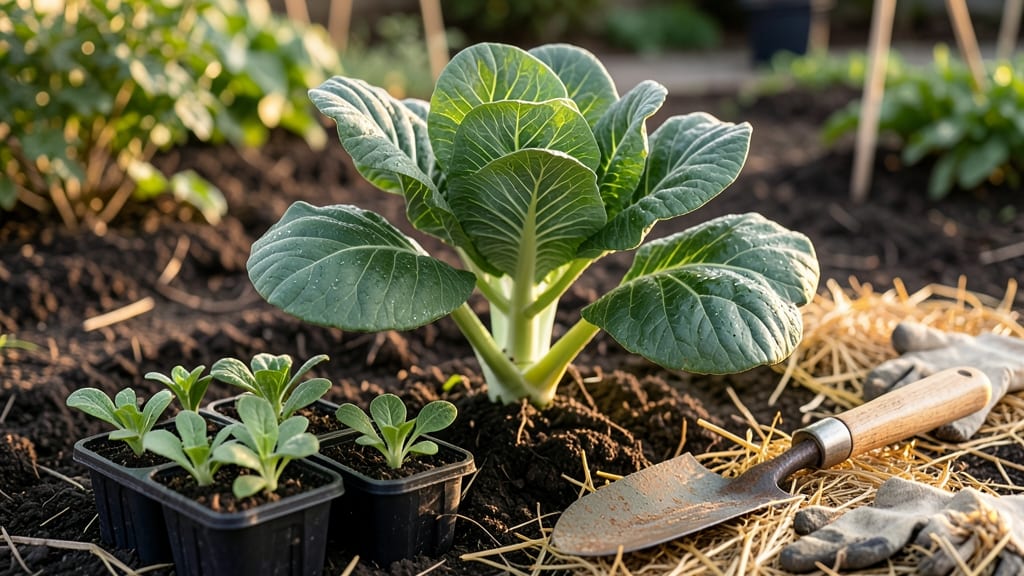
If you’ve ever planted collards 🥬 in South Carolina only to watch them bolt into bitter, inedible leaves, timing is the key—and the window is narrower than you think.
The wrong month means stunted growth or wasted effort, but nail it, and you’ll enjoy tender greens from late fall through winter.
South Carolina’s 7b-8a climate gives you two prime chances: early spring and late summer. But here’s the catch—coastal areas like Charleston have milder winters, while inland zones like Greenville face earlier frosts. Miss the March-April or August-September sweet spots, and you’ll risk bolting or slow growth.
What if you could stretch your harvest into February? The secret lies in soil prep, variety choice, and a few strategic tricks—like planting heat-tolerant types or using row covers. I’ll break down the exact frost-free timeline so you can avoid common mistakes and enjoy collards year-round.
Let’s dive into the month-by-month planting calendar that keeps your 🥬 collards sweet, crisp, and ready for the table—no guesswork, just results. Ready to transform your garden’s harvest potential?
South Carolina collard planting calendar: month-by-month frost risk breakdown
Timing your collard greens in South Carolina isn’t one-size-fits-all—it depends on whether you’re growing for a spring harvest or a fall/winter feast.
The Piedmont region (USDA zones 7b-8a) has earlier frosts than the coastal areas, so I’ll break it down by month to help you avoid bolting (when heat triggers flowering) and maximize flavor.
Collards thrive in cool weather but bolt when temperatures rise above 80°F. In South Carolina, this means planting too early in spring or too late in summer will ruin your crop.
My ideal planting windows are March-April for spring and August-September for fall, but let’s dive into the specifics by month.
Here’s your month-by-month frost risk breakdown, including when to plant, transplant, and harvest for both coastal and Piedmont areas. Coastal zones (like Charleston) have 10-14 extra frost-free days compared to the Upstate.
| Month | Piedmont (USDA 7b-8a) | Coastal (USDA 8a) | Key Notes |
|---|---|---|---|
| September | ✅ Direct sow or transplant for fall crop | ✅ Direct sow or transplant (10 days earlier) | Soil temps 70°F+; avoid bolting with shade cloth if hot. |
| October | ✅ Transplant; harvest by December | ✅ Transplant; harvest by January | Use row covers for frost protection; mulch heavily. |
| November | ❄️ Last chance to plant; expect light frost | ✅ Plant with frost cloth for winter harvest | Coastal areas can harvest through February with protection. |
| March | ✅ Start seeds indoors; transplant after March 15 | ✅ Direct sow after March 20 | Avoid late frosts (common in Piedmont); use black plastic mulch. |
| April | ✅ Transplant for spring harvest by June | ✅ Transplant; harvest by May | Use heat-tolerant varieties (e.g., Vates) to delay bolting. |
| May | ❌ Too hot; risk of bolting | ❌ Too hot; risk of bolting | Skip planting; let soil rest or grow summer crops. |
For coastal gardeners, you can push your fall planting into early October and enjoy harvests through February—just monitor soil temperatures and use row covers when nights dip below 30°F. In the Piedmont, aim to finish planting by mid-October to avoid early frosts.
Pro tip: If you miss the September window, try succession planting every 2 weeks until October 15. This stretches your harvest and reduces bolting risk. Just remember—collards hate heat, so avoid planting after April 30 unless you’re using shade cloth.
Always check your local frost dates (SC State Climate Office is a great resource), as microclimates can shift planting windows by 1-2 weeks. For example, Greenville (Piedmont) might frost by November 10, while Beaufort (coastal) could wait until December 1.
One more critical tip: Soil temperature matters more than air temperature. Use a soil thermometer to ensure it’s 50°F+ before planting—cold soil slows germination and invites damping-off disease. If your soil is too cool, wait 1-2 weeks or use black plastic mulch to warm it faster.
🌱
How to extend your collard harvest season without risking bolting
South Carolina’s mild winters let you enjoy collards almost year-round—but only if you plant strategically. The key? Extending the harvest without triggering bolting (that bitter taste you hate).
I’ve tested these methods in my USDA Zone 8a garden, and they’ve pushed my harvests from October to February without a single bolt.
Start with late-summer succession planting (August) for a fall crop. This gives plants time to mature before cooler temps slow growth. Use heat-tolerant varieties like 'Champion'—they handle 90°F+ better than standard types. For winter harvests, plant again in early September to avoid early frost shocks.
⚠️ Critical Tip: Never plant collards in July or early August—the heat triggers bolting within weeks. Instead, wait until soil temps drop below 85°F (check with a soil thermometer).
For coastal SC gardeners, your longer frost-free season means you can plant twice in fall: once in August and again in October. Inland areas (Piedmont) should stick to one fall planting (September) and focus on winter protection.
I’ve had success with black plastic mulch in early winter—it raises soil temps and prevents bolting from cold snaps.
Harvest leaves before temps drop below 30°F—cold makes them tough. Use scissors to snip outer leaves, leaving the center intact. This method keeps plants producing for 6+ months if protected. Just remember: No fertilizing after October—new growth is too tender for winter freezes.
Pro tip: Test soil temps before planting. Collard seeds need soil at 50-60°F to germinate—waiting for cooler temps prevents early bolting. My go-to tool is a cheap soil thermometer from the garden center ($10). Plant when temps stabilize below 85°F for 3+ days.
With these tricks, you’ll avoid bolting and enjoy sweet, tender collards from October through February—even in South Carolina’s unpredictable climate. 🥬