
Plants
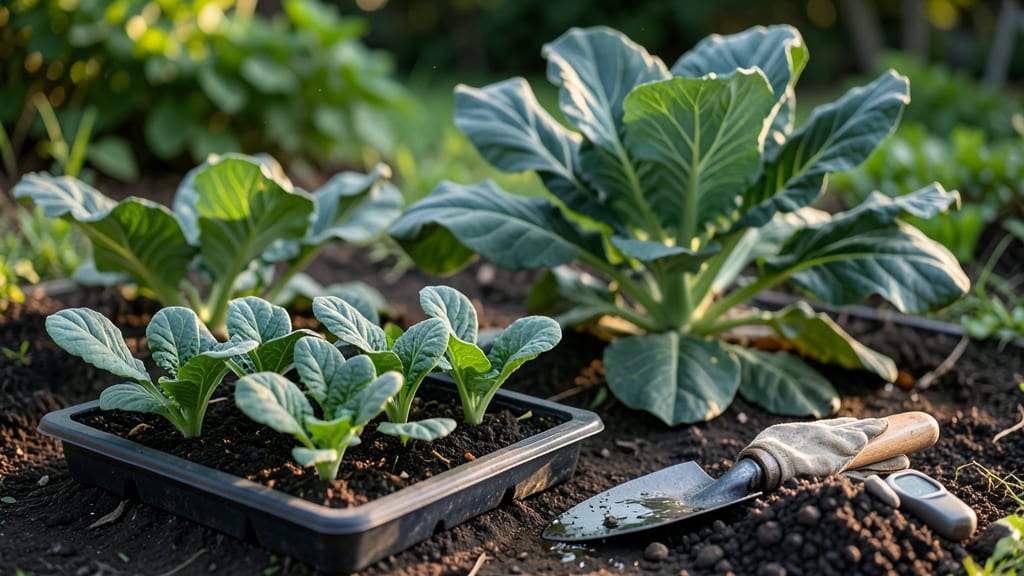
If you've ever wondered when to plant collards in Zone 7b, timing is everything—get it right, and you'll enjoy crisp, homegrown 🥬 greens through winter. This cold-hardy vegetable thrives in the cooler months, but planting too early or late can leave you with bitter leaves or stunted growth.
In Zone 7b, the sweet spot is late summer or early spring, aligning with soil temperatures and frost dates to maximize your harvest.
Whether you're a first-time gardener or a seasoned green thumb, knowing the best windows for planting collards means fewer guesses and more delicious meals straight from your garden.
Let me walk you through the exact planting schedule, including soil prep, spacing tips, and how to extend your harvest into late winter. With the right strategy, you can enjoy fresh collards from fall all the way through spring—no fancy equipment required.
Ready to grow your own? I’ll break down the two best planting times, common mistakes to avoid, and how to protect your plants from unexpected cold snaps. Your taste buds (and dinner table) will thank you!

Optimal planting windows for collards in Zone 7B
Collards are one of my favorite cold-hardy greens for Zone 7B, offering delicious harvests even when temperatures dip below freezing. The key to success lies in timing—plant too early, and your plants may bolt; too late, and they won’t mature before winter sets in.
For Zone 7B gardeners, the ideal windows are early spring (March-April) and late summer/early fall (August-September).
In Zone 7B, the average last frost date is around April 15, while the first frost typically arrives November 15. This gives us a 180-day frost-free season, perfect for collards, which mature in 60-70 days.
By aligning planting with these dates, you’ll maximize your harvest window from fall through late winter.
Soil temperature is critical—collard seeds won’t germinate well below 40°F (4°C). In Zone 7B, soil warms to this threshold in early March, making it safe to start spring plantings. For fall, aim to plant 6-8 weeks before the first frost, so your collards mature before winter’s chill slows growth.
Here’s how I break it down for my Zone 7B garden:
| Planting Window | Soil Temp | Days to Maturity | Harvest Window |
|---|---|---|---|
| Early Spring (March 15-April 15) | 40-50°F (4-10°C) | 60-70 days | Late May-June |
| Late Summer/Fall (Aug 15-Sept 15) | 50-60°F (10-15°C) | 60-70 days | Oct-Nov (before frost) |
| Succession Planting (Every 3 Weeks) | 40-60°F (4-15°C) | 60-70 days | Staggered harvests |
For the most continuous harvests, I use succession planting every 3 weeks during both windows. This ensures fresh collards from late spring through winter. In my experience, the fall planting often yields the most robust harvests because cooler temperatures improve flavor and texture.
If you’re planting in late summer, choose heat-tolerant varieties like ‘Blue Max’ or ‘Georgia Southern’ to handle the residual summer heat. These varieties thrive in Zone 7B’s late August heat before temperatures drop, giving them a head start for fall growth.
One common mistake I see is planting too close to the first frost. Collards can tolerate light frosts, but heavy freezes will damage them. To extend your harvest, I recommend using row covers or cold frames once temperatures drop below 25°F (-4°C).
This simple trick can push your harvest into January or even February in Zone 7B.
For spring plantings, I always prepare the soil in February by adding compost and ensuring good drainage. Collards prefer well-draining soil with a pH of 6.0-7.0. If your soil is heavy clay, consider raising beds to improve drainage and prevent rot.
Remember, Zone 7B’s microclimates can vary significantly. Urban areas may experience heat islands, delaying soil warming in spring or keeping fall soil warmer longer. Always check your local frost dates and adjust planting times accordingly.
For most of Zone 7B, these guidelines work, but a few degrees can make a big difference in success.
Optimal planting windows for collards in Zone 7B
In Zone 7B, collards love the cooler weather, but timing your planting windows is key to avoiding bitter leaves or stunted growth. The two best times to plant are early spring (March–April) and late summer/early fall (August–September).
These windows align with soil temperatures and frost dates to ensure a steady harvest.
For a fall harvest, aim to plant collards 4–6 weeks before the first frost (typically mid-November in Zone 7B). This gives them enough time to mature before winter sets in.
If you plant too early, the heat can make leaves bitter, while planting too late risks frost damage before harvest.
Soil temperature is your best guide—wait until the ground is at least 60°F (15°C) for seeds to germinate properly. In Zone 7B, this usually happens in early August for fall planting and late March for spring. Use a soil thermometer to check if you're unsure.
Here’s a quick reference for collard planting windows in Zone 7B:
| Planting Window | Soil Temp | Frost Alignment | Harvest Time |
|---|---|---|---|
| Early Spring (March–April) | 60°F+ (15°C+) | After last frost (April 15) | Late winter (Feb–March) |
| Late Summer/Early Fall (Aug–Sept) | 60°F+ (15°C+) | Before first frost (Nov 15) | Fall (Oct–Nov) |
Spring planting gives you a late-winter harvest (February–March), while fall planting ensures fresh greens when other veggies fade. Both strategies work well in Zone 7B, but fall planting is often more reliable for beginners because it avoids spring’s unpredictable weather.
Pro tip: If you want continuous harvests, plant a successive batch every 3 weeks in late summer. This staggered approach ensures you always have fresh leaves ready, even as temperatures drop. Just remember—collards take 60–70 days to mature, so plan accordingly!
Once you’ve nailed the timing, the next step is avoiding common pitfalls like overcrowding or poor soil prep. I’ll cover those in the next section—stay tuned for my fall planting