
Plants
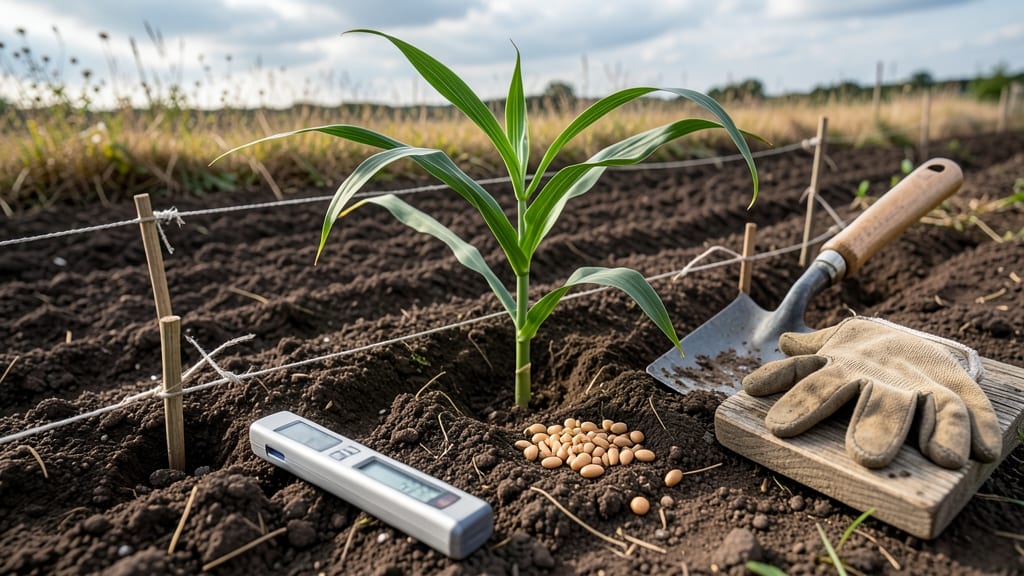
Timing your 🌽 corn planting in Pennsylvania isn’t just about checking a calendar—it’s about outsmarting frost, soil temperatures, and your region’s quirks. Plant too early, and a late frost will turn your tender seedlings into sad, wilted memories.
Too late, and you’ll miss the sweet spot for maximum yields, especially in zones 5b-7a where springs can be as unpredictable as a Pittsburgh weather forecast.
Most gardeners in Pennsylvania wait until after the last frost date (April 15–May 15), but that’s just the starting line. The real secret? Soil temperature. Corn roots need to feel the warmth of 60°F+ before you even think about dropping those seeds.
If you rush it, your plants will sulk in the cold, stunting growth and setting you up for disappointment.
Here’s what I’ll show you: how to read your local frost-free window like a pro, which corn varieties play best in PA’s climate, and pro tips to extend your growing season—because let’s face it, nobody wants to watch their corn race against autumn frost.
Let’s get those seeds in the ground at the perfect moment.
From early sweet corn to late-season field varieties, we’ll cover it all so you can enjoy July–October harvests of plump, golden ears. No more guesswork—just data-driven planting that actually works for Pennsylvania gardens.
Pennsylvania’s last frost dates & ideal corn planting windows by region
Pennsylvania’s diverse geography—from the Allegheny Mountains to the Poconos—creates wildly different planting windows for corn. The USDA Zones 5b-7a across the state mean your last frost date could range from April 15 in Philadelphia to May 15 in Erie.
For sweet corn, which needs a 120-140 day growing season, timing is critical to avoid early blight or stunted ears.
Most Pennsylvania gardeners aim to plant corn 2-3 weeks after the last frost, but soil temperature is the real game-changer. Corn seeds won’t germinate reliably below 60°F, so even if frost is gone, cold soil will delay growth.
In Zone 5b (Pittsburgh, State College), wait until May 1 unless you use black plastic mulch to warm the soil faster.
Here’s how to align your planting with Pennsylvania’s microclimates. The Southeastern region (Zone 7a), like Lancaster County, can plant as early as April 20 for early-maturing varieties like ‘Ambrosia’ (75 days).
Meanwhile, Northeastern PA (Zone 5b), such as Scranton, should hold off until May 10 to avoid late spring frosts that can kill tender seedlings.
| Region | USDA Zone | Avg. Last Frost | Optimal Planting Window | Best Varieties |
|---|---|---|---|---|
| Southeast (Philadelphia, Lancaster) | 7a | April 15–20 | April 20–May 10 | ‘Silver Queen’ (80 days), ‘Peaches and Cream’ (75 days) |
| Central (Harrisburg, State College) | 6b | April 25–May 5 | May 5–May 20 | ‘Ambrosia’ (75 days), ‘Golden Bantam’ (60 days) |
| Northeast (Scranton, Wilkes-Barre) | 5b | May 1–10 | May 10–May 25 | ‘Country Gentleman’ (90 days), ‘Honey & Pearl’ (85 days) |
| Northwest (Erie, Meadville) | 6a | May 5–15 | May 15–June 1 | ‘Kandy Korn’ (80 days), ‘Tuxedo’ (85 days) |
For field corn or popcorn, which have longer growing seasons (100+ days), you can push planting to June 1 in most regions, but yields may drop if planted after June 15.
If you’re growing bicolor corn like ‘Country Gentleman’, stagger plantings every 2 weeks to extend your harvest from late August to October.
Pro tip: Use Penn State Extension’s frost maps (available at extension.psu.edu) for hyper-localized data. For example, Pittsburgh’s urban heat island can push last frost dates 3-5 days earlier than rural areas just 10 miles away. Plant test rows in different spots to gauge microclimate effects.
If you’re in Zone 5b and want to try early planting, use row covers to protect seedlings. Remove covers when plants reach 6 inches tall to avoid heat stress.
For late varieties, like ‘Honey & Pearl’, wait until May 20 to ensure full maturity before first frost.
Remember: Corn is wind-pollinated, so plant blocks of 4+ rows (not single rows) for good pollination. If you’re short on space, try bush corn varieties like ‘Golden Bantam’, which grow 3-5 feet tall instead of 8+ feet.
For succession planting, sow new seeds every 2 weeks until June 15 to enjoy fresh ears all summer. Just ensure your soil stays warm—cold soil
Soil temperature secrets: when to plant corn based on heat requirements
Corn isn’t like your average garden veggie—it’s a heat-loving diva that throws a tantrum if planted too soon. The golden rule? Wait until soil temperatures hit 60°F+ at a depth of 4 inches. That’s when those seeds will sprout like magic, not sit there like soggy raisins.
In Pennsylvania, this usually aligns with late April to early May, but don’t rely on the calendar—grab a soil thermometer and check for yourself!
I’ve made this mistake before—planting corn in early April because the air felt warm. Big mistake. The soil was still chilly, and my seedlings emerged weak and leggy, begging for sunlight they couldn’t handle. Corn roots need warmth to grow strong, and cold soil slows germination to a crawl.
If you’re in doubt, wait a week or two. Patience now means bigger ears later.
Here’s how I test soil temperature: Stick a soil thermometer 4 inches deep in your garden bed, ideally in the morning when temps are cooler. If it reads below 60°F, your corn will sulk.
Pro tip: Black plastic mulch can warm soil by 5–10°F faster than bare earth, giving you an earlier start. Just lay it down a week before planting to let the sun do the work.
⚠️ DON’T RUSH IT! Planting corn in cold soil causes:
- Slow germination (weeks of waiting!)
- Weak, leggy seedlings (prone to disease)
- Stunted growth (smaller ears = sad harvest) Solution: Use a soil thermometer—60°F+ is non-negotiable for happy corn.
Not all corn varieties are created equal when it comes to heat. Early-season varieties like ‘Early Sunglow’ (60–70 days to maturity) can handle slightly cooler soils, while late-season stalwarts like ‘Ambrosia’ (100+ days) need that warmth from day one.
If you’re growing multiple varieties, plant the early ones first when soil hits 55°F, then the late ones once it’s consistently 60°F+.
Row covers are another trick up my sleeve for extending the season. If frost threatens after planting, throw a lightweight row cover over your seedlings to trap heat.
Just remove it once the danger passes—corn needs pollination-friendly breezes, and row covers can block those if left on too long. Balance is key!
For container growers, soil warms up faster in pots, but drainage is critical. Use a heat-retentive mix like 60% potting soil and 40% compost, and place pots in a sunny spot.
If your balcony faces south, you might get away with planting 2 weeks earlier than ground plantings. Just monitor those soil temps closely!