
Companion Plants
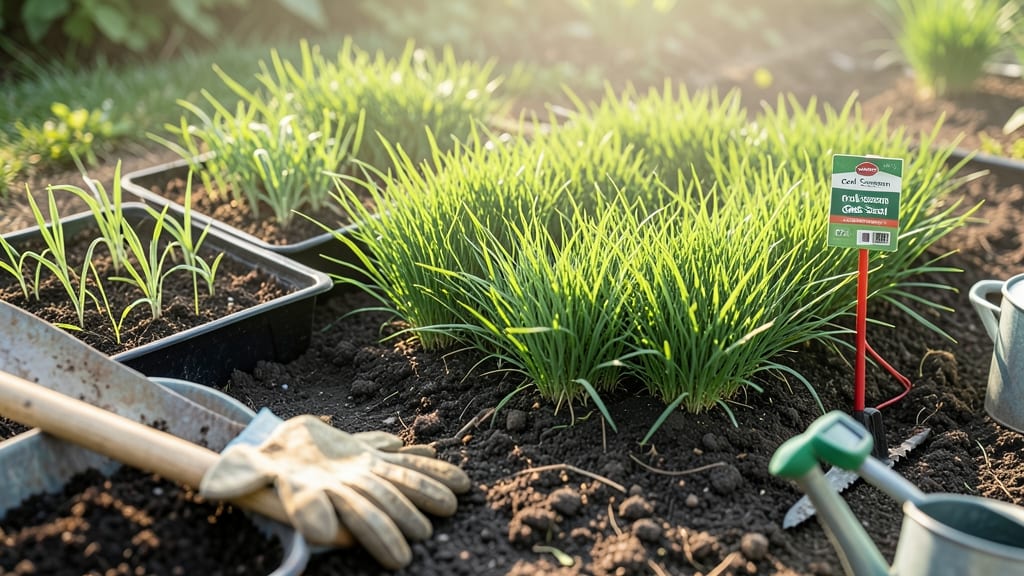
Timing your spring grass planting perfectly can mean the difference between a lush, green lawn and months of patchy, struggling growth—so don’t guess. The right moment depends on soil temperature, frost risk, and your local climate, especially in zones like 6a where early frosts can sneak up. 🌱
I’ve planted grass for years, and I’ve learned the hard way that rushing too early or waiting too long both backfire. Cool-season grasses like Kentucky Bluegrass or Fescue need soil that’s warmed to 50-60°F—not just air temperature—before you even think about spreading seed.
That’s why I always check my local frost-free date and adjust my timeline accordingly.
In this guide, I’ll walk you through exactly when to plant based on your region, how to test soil readiness, and the best grass types for early spring planting.
Whether you’re starting from scratch or overseeding an existing lawn, these tips will help you avoid common mistakes and get that dreamy green carpet growing strong.
Ready to transform your yard? Let’s dive into the science behind the perfect planting window so you can skip the guesswork and start mowing that thick, healthy grass in just 28-35 days.
Spring grass planting deadlines by soil temperature & frost risk
Planting grass at the wrong time in spring can leave you with weak roots, patchy growth, or even total failure. The key is waiting until your soil reaches 50-65°F (10-18°C) at a depth of 4 inches—this ensures seeds germinate quickly and roots establish before summer heat arrives.
In most U.S. regions, this window opens 4-6 weeks before your last frost date, but timing varies dramatically by climate zone.
For example, gardeners in Zone 5 (like Chicago) should aim for mid-April to early May, while those in Zone 8 (like Atlanta) can start as early as late February.
The frost-free deadline isn’t just about avoiding cold snaps—it’s about giving grass 6-8 weeks of warm soil before summer dormancy kicks in.
Here’s how to check your local readiness: Use a soil thermometer (inserted 4 inches deep) for 3 consecutive days. If temps consistently hit 55-65°F, it’s go time. Pro tip: Morning soil temps are more reliable than afternoon spikes caused by sunlight.
Regional microclimates matter too. A south-facing slope warms faster than a north-facing yard, and urban areas often stay 5-10°F warmer than rural spots. If you’re unsure, err on the side of waiting—grass seeds won’t sprout in cold soil, but they can dry out if planted too late.
| Climate Zone | Ideal Planting Window | Soil Temp Threshold | Frost-Free Deadline | Grass Type |
|---|---|---|---|---|
| Zones 3-5 (Cold) | Mid-April to early May | 50-55°F (10-13°C) | May 1-15 | Tall Fescue, Kentucky Bluegrass |
| Zones 6-7 (Temperate) | Late March to April | 55-60°F (13-16°C) | April 15-May 1 | Perennial Ryegrass, Fine Fescue |
| Zones 8-10 (Warm) | Late February to March | 60-65°F (16-18°C) | March 15-April 1 | Bermuda, Zoysia, St. Augustine |
| Southern California (Mediterranean) | September-October | 65-70°F (18-21°C) | N/A (Winter dormant) | Tall Fescue, Ryegrass |
🌱 Note: Warm-season grasses (like Bermuda) should be planted in late spring (after last frost) for best results.
If you miss the spring window, don’t panic—early fall planting (6-8 weeks before first frost) is almost as effective. The goal is to give grass 6-8 weeks of warm soil before dormancy sets in.
For example, in Zone 5, that means planting by September 15 to ensure roots harden off before winter.
One common mistake? Planting too early and having seeds wash away or rot in cold, wet soil. Always check the 7-day forecast for rain—if heavy showers are predicted, delay planting by a week.
A light misting of seeds is fine, but 1+ inches of rain can bury seeds too deep for germination.
For northern climates (Zones 3-4), consider using a seed blanket or straw mulch to protect newly sprouted grass from late frosts. These barriers can add 2-4°F of warmth to the soil surface, extending your planting window by up to 2 weeks.
Just remove them once grass reaches 2-3 inches tall to avoid smothering.
Pro move: Test your soil pH before planting—most grasses thrive in 6.0-7.0 pH. If your soil is below 6.0, add lime 4-6 weeks before seeding to give the pH
How to test soil temperature & prepare for spring grass planting
Testing your soil temperature is the #1 way to avoid planting grass too early—cold soil slows germination and invites rot. Most grass seeds need soil between 50-65°F (10-18°C) to sprout reliably.
Use a simple soil thermometer (insert 4 inches deep) for accurate readings, especially in morning hours when temps are coolest.
Clay soils stay cold longer than sandy soils, so adjust your timeline if your yard holds moisture. For example, Kentucky bluegrass thrives in cooler soil (50°F), while Bermuda grass waits for warmer ground (65°F). Test for 3 consecutive days to confirm consistency before planting.
Preparing your seedbed is just as critical as timing. Start by removing debris and weeds, then loosen the top 2-3 inches of soil with a rake or tiller.
For compacted lawns, aerate to improve water and root penetration. Level uneven areas with a lawn roller or hand rake to ensure even seed distribution.
Add compost or starter fertilizer (high in phosphorus) to boost root growth, then lightly rake the soil again to create a fine, crumbly texture. This helps seeds make direct contact with soil for faster germination. Avoid heavy foot traffic after planting—even a few steps can bury seeds too deep.
Watering before planting is a game-changer. Soak the soil 1-2 days prior to level moisture, then keep it damp (not soggy) until seeds sprout. Use a gentle sprinkler or hose with a fine mist nozzle to avoid displacing seeds.
Aim for 1/4 inch of water daily until germination (usually 7-21 days depending on variety).
Finally, mulch with straw or peat moss (not wood chips) to retain moisture and protect seeds from wind and temperature swings. This step is especially helpful in dry or windy climates where moisture loss is rapid. Monitor daily for consistent dampness—this is your best indicator of success.