
Plants
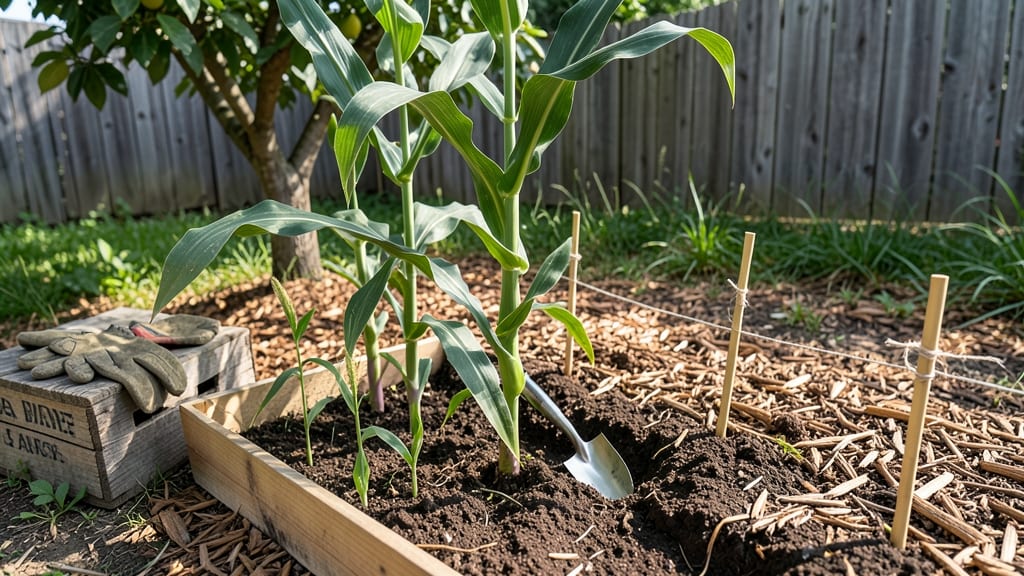
Timing your 🌽 corn planting in Zone 5 isn't just about waiting for frost dates—it's about catching that sweet spot when soil warmth finally kicks in. Too early, and your seeds will languish; too late, and your harvest window shrinks faster than a summer afternoon.
I've learned the hard way that soil temperature (not just calendar dates) is the real game-changer for Zone 5 gardeners.
Most planting guides tell you to wait until after your last frost, but here's the catch: corn needs soil that's warmed to at least 60°F to germinate properly. In Zone 5, that typically means holding off until late May or early June—even if the air feels spring-like.
Skipping this step can leave you with patchy germination or stunted plants that never reach their full potential.
What makes this even trickier? Zone 5's microclimates can vary wildly—your neighbor's soil might be ready weeks before yours. That's why I'll walk you through the practical tests to verify soil readiness, from the finger-check method to watching for weeds that thrive in warm soil.
These tricks have helped me avoid the heartbreak of wasted seed packets and underperforming crops.
Once you've nailed the timing, we'll cover everything from choosing the right short-season varieties to spacing your plants for maximum pollination. By the end, you'll have a clear roadmap to turn your Zone 5 garden into a cornucopia of golden ears—without guessing games or last-minute panic.
Let's get those seeds in the ground when they'll actually grow!

Zone 5 corn planting timeline: soil temperature rules over frost dates
In Zone 5, the last spring frost might pass by mid-May, but that doesn’t mean your corn seeds are ready to hit the soil. Corn is a warm-season crop that needs soil temperatures of at least 60°F to germinate properly.
Planting too early can lead to slow growth, poor root development, or even seed rot—so don’t rush! The key is waiting for both soil warmth and stable daytime temperatures above 70°F.
Most Zone 5 gardeners aim to plant corn between late May and early June, but this can shift by a week or two depending on your microclimate. Southern exposures or urban areas might warm up faster, while shaded or northern spots could need an extra week.
For example, Chicago’s last frost often arrives around May 15, but soil may not hit 60°F until late May or early June.
Here’s the critical rule: Corn planted in cold soil (below 50°F) struggles to germinate, even if air temperatures are mild. A soil thermometer is your best friend—plant only when readings consistently stay above 60°F for 5+ days.
This timing ensures strong, healthy seedlings that can outpace late-season pests like corn earworm.
If you’re unsure about your local frost dates, check the USDA Plant Hardiness Zone Map for your exact location. Zone 5 spans 5a (hardier) to 5b (warmer), so adjust accordingly.
For 5a regions, like northern New York, wait until early June, while 5b areas, such as parts of Indiana, can plant by late May.
Another pro tip: Use black plastic mulch or row covers to warm the soil faster if you’re eager to plant early. These methods can shave off 1-2 weeks of waiting time by trapping heat. Just
| Stage | Action | Zone 5 Timeline |
|---|---|---|
| Soil Warmth Check | Test soil temperature with a thermometer | Late May–Early June (60°F+) |
| Last Frost Date | Confirm frost risk has passed | Mid–Late May |
| Planting Window | Direct sow seeds 1–1.5" deep | Late May–Early June |
| Germination | Expect sprouts in 7–14 days | Early June |
| Harvest Ready | Silks dry, kernels milky | Late August–Early October |
🌽 Note: Adjust for microclimates—urban areas warm faster than rural spots.
For succession planting in Zone 5, stagger your corn in 2-week intervals to extend your harvest. Plant a second batch in early June for ears ready by late August, just before cooler weather sets in.
This works best with short-season varieties (under 90 days to maturity), like ‘Early Sunglow’ or ‘Silver Queen’.
If you’re in a shorter-season area of Zone 5 (like northern Wisconsin), opt for early-maturing hybrids (70–80 days). These can finish before the first frost in mid-September. Avoid tall varieties like ‘Golden Bantam’ unless you’re in a warmer microclimate—they may not mature in time.
One common mistake is relying solely on frost dates instead of soil temperature. I once planted corn in early May in my Zone 5b garden, only to watch the seeds rot in 50°F soil.
Lesson learned: Wait for warmth, even if the calendar says it’s safe. Use a soil thermometer for $15—it’s worth it!
Finally, group your corn plants in blocks (not rows) to improve cross-pollination. This is especially critical in Zone 5’s shorter growing season, where every day counts. A 4x4 foot block of corn ensures better ear development than a single row.
Just be prepared for 6–10 foot stalks that’ll need staking or trellising in windy areas.
Zone 5 corn planting timeline: soil temperature rules over frost dates
In Zone 5, corn thrives when soil temperatures hit 50°F or warmer—not just after the last frost. While your average last frost date might be mid-May, waiting for soil warmth ensures your seeds germinate properly.
Cold soil slows growth, leading to stunted plants or poor yields. I’ve learned this the hard way—planting too early in Zone 5 often results in seeds rotting underground.
Corn needs 60°F+ soil to germinate consistently. Use a soil thermometer to check—this is your best tool for timing. In my experience, late May to early June is ideal for most of Zone 5, but this shifts slightly depending on your specific microclimate.
For example, southern Zone 5b areas might be ready by mid-May, while northern Zone 5a regions should wait until early June.
Zone 5 Corn Planting Timeline
| Stage | Action | Soil Temp | Timeframe (Zone 5) |
|---|---|---|---|
| Soil Prep | Add compost, till to 12" depth | N/A | April |
| Planting | Sow seeds 1-1.5" deep, 4-6" apart | 50°F+ | Late May–Early June |
| Germination | Keep soil moist, protect from pests | 60°F+ | 7–14 days |
| Harvest | Pick when silks brown, kernels milky | N/A | Late July–Early Sept |
For succession planting in Zone 5, aim for 2-week intervals between batches. This stretches your harvest window and ensures you’re not overwhelmed with corn all at once. I’ve had success with three plantings: early June, mid-June, and late June.
The last batch might need short-season varieties (like 'Early Sunglow') to mature before frost.
Watch for local microclimates—south-facing slopes warm faster than shaded areas. In my garden, the south side hits 60°F a week earlier than the north side. Use this to your advantage by planting warmer spots first.
If you’re unsure, err on the side of waiting—corn won’t mind a few extra days in the soil, but cold soil will.
Pro tip: Black plastic mulch warms soil faster and suppresses weeds. I’ve seen it raise soil temps by 5–10°F in just a few days. Lay it down a week before planting to give your soil a head start.
Pair this with row covers for early protection against late frosts, which can still sneak in during Zone 5’s unpredictable spring.
Remember, corn needs 70–100 days to mature in Zone 5. Count backward from your first frost date (usually mid-September) to avoid planting too late. For example, if your frost date is September 15, your last planting should be by early June for a 90-day variety.
Always check your USDA Plant Hardiness Zone map for precise local adjustments.