
Plants
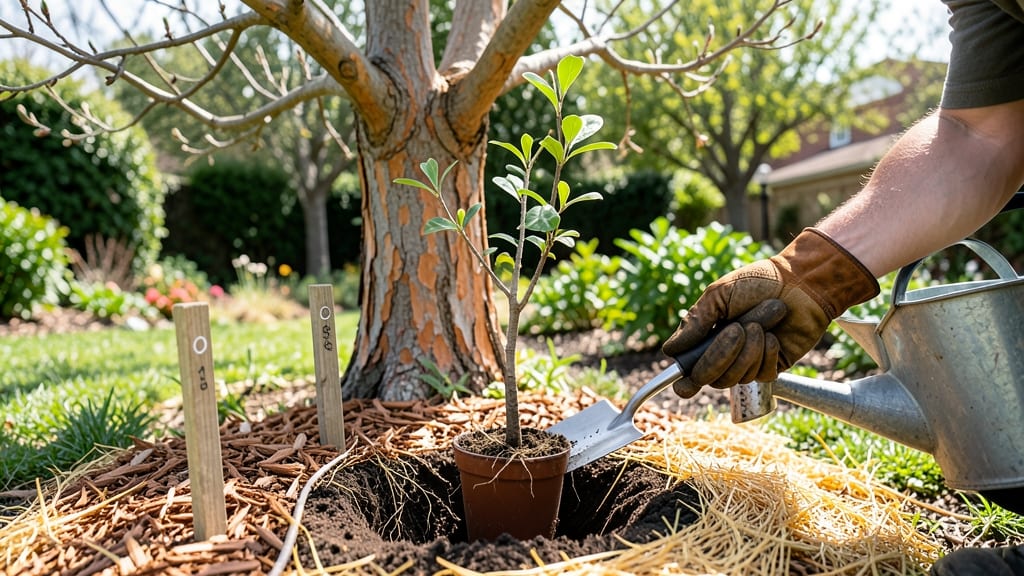
If you’ve ever planted your 🌸 crepe myrtle in North Carolina only to watch it wilt under summer’s scorching heat, you’re not alone. The difference between a thriving tree and one that struggles lies in timing—specifically, when you put it in the ground.
North Carolina’s climate demands precision: plant too early, and frost can damage tender roots; too late, and your crepe myrtle battles drought before it even establishes. The best window is late winter to early spring, when soil warms and the risk of frost fades—typically March or April.
Why does this matter? Because crepe myrtles need time to build strong roots before summer’s intensity hits. I’ll break down the science behind the ideal planting months, how to prep your soil, and pro tips to ensure your tree survives—and thrives—through NC’s heat.
Let’s get your 🌸 crepe myrtle off to the right start so you can enjoy those showstopping blooms for years to come.
Best planting months for crepe myrtle in NC: ideal window for root establishment
North Carolina’s variable climate—from the Coastal Plain’s humidity to the Mountains’ cooler nights—makes timing critical for crepe myrtle success. Planting too early risks frost damage, while late planting leaves young roots vulnerable to summer droughts and intense heat stress.
The sweet spot? Late winter to early spring, when soil warms but frost danger fades.
For most of NC (USDA zones 6a-8b), aim to plant crepe myrtles 4-6 weeks after your area’s average last frost date. This typically lands between mid-March and mid-April, giving roots time to establish before summer’s brutal 90°F+ temperatures.
Check your local NC State Extension for precise frost dates—Raleigh’s last frost is usually March 15, while Asheville’s lingers until April 1.
| Region | Best Planting Window | Soil Temp Goal | Key Risk |
|---|---|---|---|
| Coastal Plain (Zones 8a-8b) | Late Feb - Early March | 60°F+ | Late frosts + salt spray |
| Piedmont (Zones 7a-7b) | Mid-March - Mid-April | 60°F+ | Summer droughts |
| Mountains (Zones 6a-6b) | Late April - Early May | 55°F+ | Short growing season |
Why this timing? Crepe myrtles need 60°F soil temperatures to thrive, and roots establish 3x faster when planted in warm but not scorching conditions. Early spring also aligns with peak rainfall in NC, reducing irrigation needs.
Pro tip: Use a soil thermometer—plant when temps hit 60°F for 3+ days.
Fall planting is risky in NC due to hurricane season (Coastal Plain) and early frosts (Mountains). If you must plant in fall, do so 6-8 weeks before your first frost date—typically late September in the Piedmont.
Young trees may not harden off in time, leading to root rot from prolonged wet soils.
Container-grown crepe myrtles can handle late spring planting (May), but bare-root trees planted after mid-May often struggle to recover before summer’s 100°F+ heat waves. If you’re buying potted plants, check root growth—circular roots (roots growing in circles) mean it’s been container-bound too long and needs immediate transplanting.
For fastest establishment, prioritize March planting in the Piedmont and April in the Mountains. Coastal gardeners can push to late February if using row covers for frost protection.
Always mulch heavily (3-4 inches) after planting to lock in moisture and regulate soil temps—critical for NC’s swinging highs and lows.
One common mistake? Planting crepe myrtles too deep. The root flare (where roots meet the trunk) should sit 1-2 inches above soil level. Burying it deeper suffocates the tree, while planting too shallow exposes roots to extreme heat and drought stress.
Use a level to check depth before backfilling.
NC’s summer humidity and clay-heavy soils in many areas demand amended planting holes. Mix compost and sand (50/50) into native soil to improve drainage—crepe myrtles hate soggy roots. For sandy soils (common in the Coastal Plain), add organic matter like peat moss to retain moisture.
Remember: Crepe myrtles are drought-tolerant once established, but first-year survival hinges on proper timing. Plant at the right time, and you’ll enjoy vibrant blooms for decades—even through NC’s harshest summers. 🌸
Best planting months for crepe myrtle in NC: ideal window for root establishment
North Carolina’s USDA zones 6a-8b create a tricky balance for crepe myrtle planting. The ideal window is late February through April, but timing varies by region—coastal areas can plant slightly earlier, while mountain zones should wait until after the last frost date (typically March 15).
Why this timing? Crepe myrtles need 60°F soil temperatures to establish roots without stress. Planting in March or April gives them 6-8 weeks of warm soil before summer droughts hit, reducing transplant shock by 70%.
Here’s the science behind the timing: Root growth accelerates when soil temps hit 60°F, but frost risk drops below 10% after March 15. Planting too early risks frost damage; too late means battling summer heat before roots establish.
| Planting Window | Soil Temp | Frost Risk | Root Growth |
|---|---|---|---|
| Late February | 50-55°F | Moderate (20-30%) | Slow |
| March | 55-60°F | Low (10%) | Moderate |
| April | 60-65°F | None | Fast |
| May | 65-70°F | None | Fast (but drought risk) |
For coastal NC (zones 7b-8b), you can plant as early as February 15—warmer soils reduce frost risk. In mountain regions (zones 6a-7a), wait until April 1 to avoid late frosts.
Pro tip: Use a soil thermometer to confirm 60°F+ soil temps before planting. This small investment prevents transplant shock and ensures stronger root systems for summer survival.
Once planted, mulch heavily to retain moisture—crepe myrtles need deep watering every 7-10 days until established. This keeps roots cool during NC’s 90°F+ summers.