
Plants
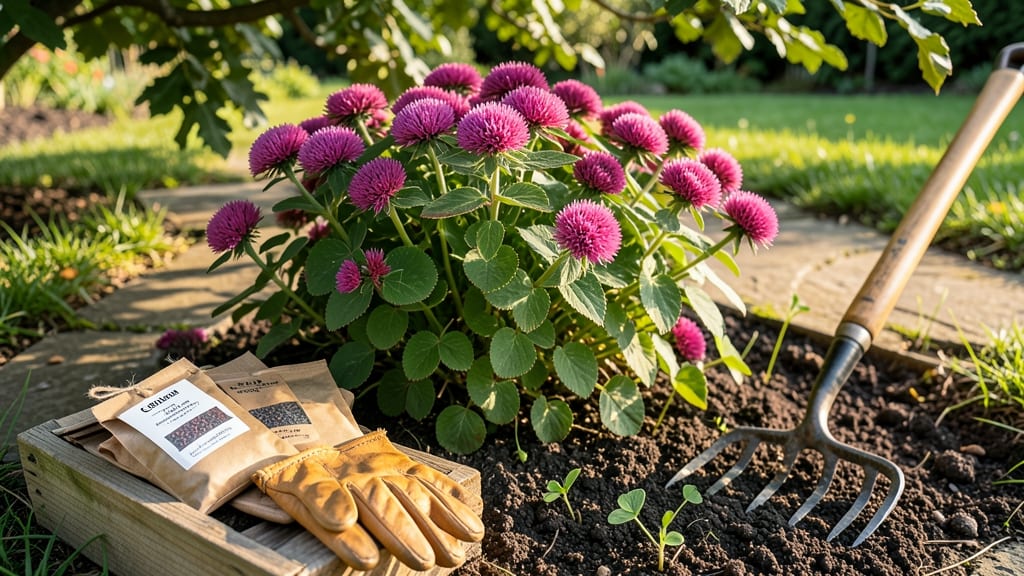
Timing your crimson clover planting in Tennessee can mean the difference between a thriving cover crop and a failed investment. This hardy plant 🌸 thrives in USDA zones 6a-7b, but getting the schedule wrong leaves it vulnerable to summer heat or winter freeze.
Most gardeners in Tennessee know the late summer window (August-September) is ideal for fall establishment, but spring planting comes with its own challenges. Whether you're prepping for winter protection or aiming for spring growth, understanding your region's microclimates makes all the difference.
I'll break down exactly when to plant for best results, including soil prep secrets and regional variations that most guides overlook. Let's get your crimson clover off to the strongest possible start.
From East Tennessee's cooler valleys to the warmer West, these timing strategies will help you avoid common pitfalls and maximize your cover crop's benefits year-round.
Optimal fall planting windows for crimson clover in Tennessee regions
Tennessee’s diverse climate zones create distinct fall planting windows for crimson clover. In the eastern mountains (USDA Zone 6a), cooler temperatures arrive earlier, while the western plains (Zone 7b) stay warm longer. Getting the timing right ensures strong root growth before winter dormancy.
For eastern Tennessee, aim to plant crimson clover between August 15 and September 15. This window allows seeds to germinate before soil temperatures drop below 60°F, which slows growth.
In middle Tennessee, extend your window to August 1 to September 30 to account for slightly warmer soils.
Western Tennessee growers should plant between August 15 and October 15. The later date works because Zone 7b’s milder winters give seeds more time to establish. Always check your local frost dates—planting too late risks young plants struggling with early frosts.
Soil temperature is your best guide. Crimson clover needs soil temps between 60°F and 85°F for germination. Use a soil thermometer to confirm readiness—plant when temps are consistently above 60°F but below 85°F.
Here’s how Tennessee’s three regions compare for fall planting success:
| Region | USDA Zone | Planting Window | Key Consideration |
|---|---|---|---|
| Eastern TN | 6a | Aug 15–Sep 15 | Cooler soils; plant early |
| Middle TN | 6b-7a | Aug 1–Sep 30 | Moderate temps; flexible |
| Western TN | 7b | Aug 15–Oct 15 | Warmer soils; later planting |
After planting, mulch lightly with straw to retain soil warmth and moisture. Crimson clover’s roots need 4-6 weeks to establish before winter dormancy. In Zone 6a, expect first light frosts by November 1, while Zone 7b may see frosts as late as November 15.
For best results, aim for 60-80% ground cover before winter. This ensures your cover crop will suppress weeds and fix nitrogen effectively next spring. In eastern Tennessee, prioritize earlier planting to avoid soil freezing, while western growers can push later dates for stronger fall growth.
Monitor your local weather forecasts for unexpected cold snaps. If temperatures drop below 20°F, young plants may suffer. A light row cover can protect seedlings if early frosts threaten.
Fall-planted crimson clover will bloom next spring, attracting pollinators and adding beautiful pink flowers to your landscape. Proper timing now sets the stage for healthier soil and stronger ecosystems in 2025.
🌸
Spring planting considerations: risks and workarounds for Tennessee growers
Spring planting of crimson clover in Tennessee is riskier than fall planting because of our state's rapid warming and high humidity. While March-April offers cooler temps, seeds often struggle with inconsistent moisture and fungal pressure.
I've seen many gardeners rush into spring planting only to watch their clover fail before reaching full growth.
One key issue is heat stress—even young seedlings can bolt when daytime temps hit 85°F+. This happens faster in West Tennessee's hotter zones than in East Tennessee's cooler valleys. The first frost date (November 1) also means any late-spring plants may not establish deep roots before winter dormancy.
For those who must plant in spring, I recommend late February to early March in most of Tennessee, targeting 60-70°F soil temps. This gives plants a head start before summer's intensity.
However, even then, you'll need to monitor soil moisture closely—drought stress is a major springtime killer for clover.
🌸
Spring Planting Warning
Avoid planting after mid-April in most of Tennessee—your clover will likely struggle with heat and poor germination. Even shade cloth won't fully protect seedlings from bolting once temps consistently exceed 80°F.
If you're committed to spring planting, try these workarounds: Use shade cloth (30-50%) for the first 4-6 weeks, or interplant with fast-growing summer cover crops like buckwheat to provide temporary shade.
Another trick is to plant in raised beds—they warm up slower than flat ground and hold moisture better during our spring dry spells.
For gardeners in USDA Zone 7b (West Tennessee), consider fall planting only—spring conditions there are simply too harsh for reliable establishment. Even in Zone 6a (East Tennessee), spring planting requires more attention to soil prep and moisture management than fall does.
Remember, crimson clover's primary job is to fix nitrogen and protect soil—if your spring plants struggle, they won't fulfill these roles effectively. That's why I always recommend fall planting as the gold standard for Tennessee growers, with spring as a secondary (and more challenging) option.