
Plants
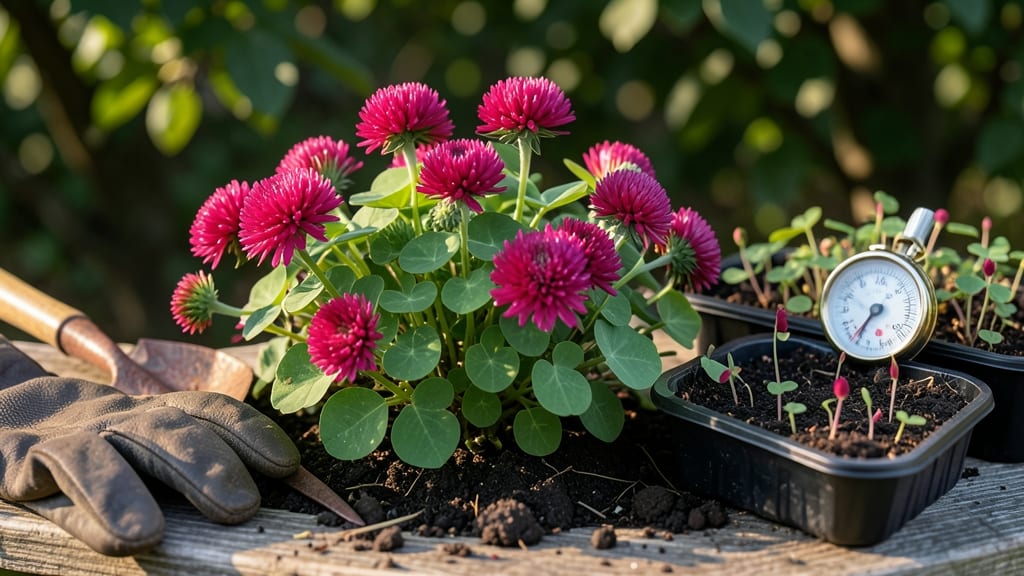
Timing your Crimson Clover 🌸 planting in Texas isn’t just about the calendar—it’s about dodging summer’s scorching heat and winter’s unpredictable freezes. Get this cover crop in the ground too early, and you’ll watch it bolt before winter even arrives.
Plant it too late, and frost will nip your seedlings before they take root. But nail that September-October window, and you’ll unlock a winter garden bursting with vibrant blooms and soil packed with natural nitrogen.
Texas gardeners face a unique challenge: Zone 8a’s chilly winters vs. Zone 11’s mild climate. What works in North Texas might flop in South Texas, and vice versa.
I’ve tested the best strategies across both regions to help you avoid common pitfalls—like planting after the first frost or before soil temps drop below 60°F. The key? Fall prep that sets your garden up for success long before spring.
Whether you’re growing Crimson Clover for forage, soil health, or winter color, the right timing makes all the difference.
In this guide, I’ll break down the exact planting windows for your part of Texas, plus soil prep tips to ensure your cover crop thrives—even when Mother Nature throws a curveball. Ready to transform your garden’s future?
Let’s dive into the region-specific schedules and pro tips that’ll have your Crimson Clover 🌸 standing tall through winter and beyond. No guesswork, just results.
Best planting windows for crimson clover in Texas by region
Texas’ diverse climate means North Texas (think Dallas or Amarillo) faces colder winters than South Texas (like Houston or San Antonio). Planting crimson clover at the wrong time can mean bolting in summer or freeze damage.
The key is timing it so seeds germinate 6–8 weeks before first frost—giving plants time to establish roots before winter sets in.
For most of Texas, fall planting (September–October) is ideal. In North Texas, where first frost hits by mid-November, aim for late August to early October. In Central Texas, with its milder winters, stretch your window to September–November.
Meanwhile, South Texas gardeners can plant as late as November—thanks to warmer winters.
Spring planting is also an option, but it’s riskier. Seed February–March if you miss fall’s window, but avoid planting after mid-April—summer’s 100°F+ heat will stress young seedlings. Spring-sown clover may bolt prematurely or struggle to establish before summer drought.
Pro tip: Check soil temperatures—crimson clover needs 60–70°F to germinate. Use a soil thermometer or wait until after Labor Day in most regions to ensure warm enough soil. In East Texas, where humidity is high, plant on dry, sunny days to prevent fungal issues.
Here’s the region-by-region breakdown to nail your planting window:
| Region | Fall Planting Window | Spring Planting Window | First Frost Date | Key Tip |
|---|---|---|---|---|
| North Texas (Zones 7b–8a) | Late August–Early October | February 15–March 15 | Mid-November | Mulch heavily to protect from freeze. |
| Central Texas (Zones 8a–8b) | September–November | February 1–March 10 | Late November | Water deeply after planting to combat drought. |
| South Texas (Zones 8b–9a) | September–November | February 15–March 31 | January 15 | Plant in partial shade to avoid heat stress. |
| West Texas (Zones 7a–8a) | Late August–September | February 1–March 1 | Early December | Use drip irrigation to conserve water. |
Missed the fall window? Don’t panic—spring planting still works, but act fast. Crimson clover grows aggressively in cool weather, so it’ll thrive if seeded before April’s heat sets in. Just be prepared to water frequently and provide afternoon shade if temperatures climb above 85°F.
One common mistake Texas gardeners make is planting too late in fall. If you sow seeds after October 15 in North Texas or November 1 in Central/South Texas, seedlings may not establish roots before winter dormancy kicks in.
Always test soil moisture—dry soil in late fall can delay germination.
For best results, pair your planting with soil prep: loosen compacted clay soils, add compost, and avoid fresh manure (it can burn seedlings). In sandy soils (common in East Texas), mix in peat moss to retain moisture.
With the right timing and prep, your crimson clover will reward you with vibrant winter blooms and nitrogen-rich soil for next year’s garden.
🌸
How to prepare soil and plant crimson clover for maximum winter survival
Preparing your Texas soil for crimson clover is half the battle—especially when winter freezes loom. Start by testing your soil pH (aim for 5.8–7.0), since clover thrives in slightly acidic to neutral conditions.
If your soil is heavy clay (common in East Texas), till or loosen the top 6 inches to improve drainage and root penetration. Compacted soil can strangle young seedlings before they establish.
Crimson clover seeds are tiny—just 1/8 inch long—so avoid burying them too deep. Plant them 1/4 inch deep in rows spaced 12–18 inches apart for optimal airflow. A seed drill or broadcast spreader works best for even coverage, especially on larger plots.
If you’re planting in containers or small gardens, mix seeds with sand to distribute them uniformly.
🌱 Step-by-Step Planting Guide
- Test soil pH (5.8–7.0) and amend with lime if needed.
- Loosen soil to 6 inches deep, breaking up clumps.
- Plant seeds 1/4 inch deep, 12–18 inches apart.
- Water lightly immediately after sowing to settle soil.
- Mulch lightly with straw to retain moisture.
Watering is critical in the first 2–3 weeks to help seeds germinate. Keep the soil consistently moist (not soggy) by watering early in the morning to reduce evaporation. In drought-prone areas like West Texas, consider using a drip irrigation system to deliver water directly to the roots.
Once seedlings reach 2 inches tall, reduce watering slightly to encourage deeper root growth.
Mulching with straw or shredded leaves (2–3 inches thick) helps insulate roots during Texas winter freezes (common in North Texas) while suppressing weeds. Avoid thick mulch layers, though—too much can smother young plants.
If you’re planting in late fall, a light frost cloth can provide extra protection during unexpected cold snaps.
Finally, avoid fertilizing before planting—crimson clover fixes its own nitrogen from the air. Over-fertilizing can actually reduce its ability to establish. Instead, focus on compost or well-rotted manure worked into the soil 2–3 weeks before planting to boost organic matter without burning young roots.
With these steps, your crimson clover will establish strong roots before winter, giving you vibrant blooms and nitrogen-rich soil for next year’s garden. The key? Timing and consistent moisture—two things Texas gardeners can control, even with unpredictable weather. 🌿