
Plants
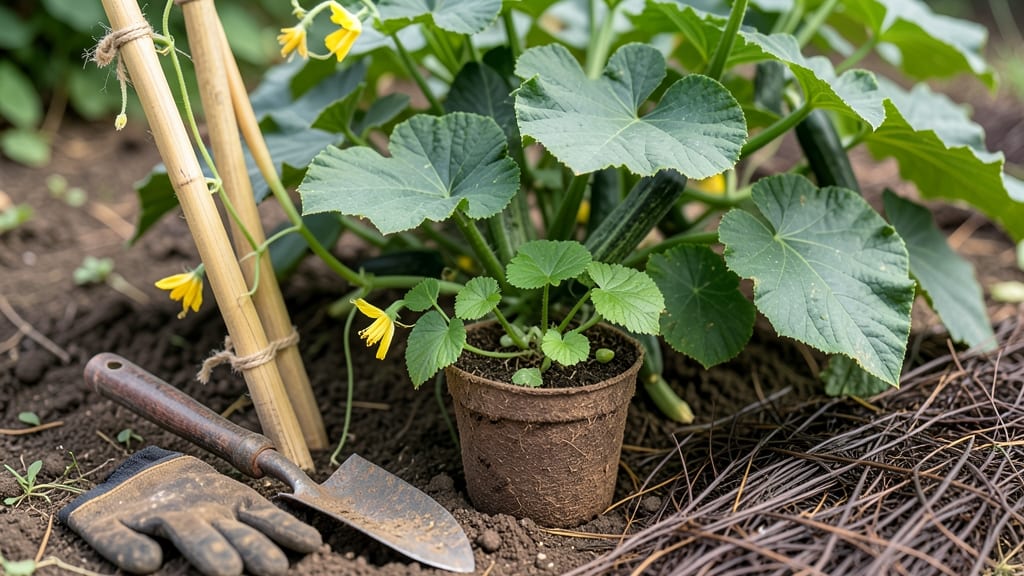
Planting cucumbers in North Carolina at the wrong time can mean the difference between a thriving 🥒 harvest and a sad, wilted failure—especially when dealing with the state’s unpredictable frost dates and sweltering summers.
If you’ve ever wondered why some gardeners get crisp, juicy cucumbers while others struggle with bolted plants or stunted growth, the answer often comes down to timing.
North Carolina’s diverse climate zones—from the cooler mountains to the humid coastal plains—demand a tailored approach to get your cucumbers off to the right start.
I’ll walk you through the exact windows for planting in your specific zone, plus pro tips to beat heat stress and extend your harvest. Whether you’re in the Piedmont’s 7a or the Coastal Plain’s 8a, you’ll learn how to sync your planting with North Carolina’s quirks for maximum success.
Ready to grow cucumbers that actually thrive? Let’s dive into the zone-specific strategies that’ll have you picking fresh, homegrown 🥒 all season long.
North Carolina cucumber planting calendar by USDA zones 7a-8b
North Carolina’s diverse climate—from the Coastal Plain’s humid heat to the Mountains’ cooler springs—means cucumber planting times vary dramatically. The key is planting after your last frost date and when soil temperatures hit at least 60°F (15°C).
For most of NC, this falls between mid-April and early June, but your exact timing depends on your USDA zone.
In Zone 7a (Piedmont), where frosts linger until mid-March, aim for April 15–May 1. Coastal areas in Zone 8a can start as early as March 15, while Zone 6b (Mountains) gardeners should wait until May 1–June 1 to avoid late frosts.
Always check your local frost-free date for precision.
For a second harvest, plant heat-tolerant varieties like ‘Straight Eight’ or ‘Southern Sweet’ in late July or August. This gives cucumbers time to mature before first frost hits (typically October–November in most zones).
Soil temperature is just as critical as air temperature. Use a soil thermometer to confirm readiness—cucumbers won’t germinate below 60°F. Black plastic mulch can warm soil 5–10°F faster if you’re in a hurry.
North Carolina’s microclimates create unique challenges. Coastal areas benefit from earlier planting but face higher humidity, increasing disease risk. Mountain regions have shorter growing seasons but cooler temps that reduce heat stress. Piedmont gardeners must balance hot summers with early spring frosts.
| Region | USDA Zone | Last Frost Date | Ideal Planting Window | Fall Planting Window |
|---|---|---|---|---|
| Coastal Plain | 8a | March 1–15 | March 15–April 15 | August 1–September 1 |
| Piedmont | 7a | March 15–April 1 | April 15–May 1 | July 30–August 15 |
| Mountains | 6b | April 15–May 1 | May 1–June 1 | August 15–September 1 |
If you’re in Zone 7a or 6b, consider starting seeds indoors 3–4 weeks before your target planting date. Use biodegradable pots to avoid root disturbance when transplanting. Harden off seedlings by placing them outdoors for 2–3 hours daily the week before transplanting.
For container gardening, plant cucumbers in 5-gallon pots or larger to accommodate their sprawling vines. Use a trellis or cage to save space and improve air circulation, which is crucial in NC’s humid summers. Dwarf varieties like ‘Bush Champion’ are ideal for small spaces.
Always choose disease-resistant varieties for NC’s climate. Look for labels mentioning powdery mildew or cucumber mosaic virus resistance. Varieties like ‘Marketmore 76’ or ‘Arkansas Little Leaf’ thrive in heat and humidity while resisting common NC pests.
Pro tip: Plant basil or marigolds nearby to deter pests like cucumber beetles. These companion plants also improve flavor and yield. Just avoid planting cucumbers near potatoes or sage, which can stunt growth.
🌱
How to adjust planting for North Carolina’s heat waves and humidity
North Carolina’s summers bring intense heat and high humidity—both of which can stress cucumber plants if not managed properly. The key is choosing the right heat-tolerant varieties and using smart growing techniques to keep your vines thriving.
Heat waves above 90°F (32°C) can stunt growth, while humidity increases the risk of powdery mildew and downy mildew, two common cucumber diseases in NC’s climate.
For successful cucumber growing, focus on soil moisture, shade strategies, and disease-resistant varieties. My top recommendation? Plant ‘Straight Eight’ or ‘Southern Sweet’—both handle NC’s heat better than standard varieties. These types also produce fruit faster, giving you a harvest before the worst summer heat sets in.
Another game-changer is black plastic mulch. It warms the soil faster in spring and keeps moisture locked in during summer’s dry spells. Plus, it suppresses weeds, reducing competition for water.
If you’re in the Piedmont region, where heat is most extreme, consider using row covers for early plantings to protect young vines from sudden temperature spikes.
🌡️ 5 Heat & Humidity Adjustments for NC Cucumbers
- 🌱 Choose heat-tolerant varieties: ‘Straight Eight,’ ‘Marketmore,’ or ‘Southern Vining.’ These thrive in 90°F+ temps.
- 💧 Water deeply in mornings: 1-2 inches per week, never overhead to prevent mildew. Use drip irrigation for precision.
- ☀️ Provide afternoon shade: Use shade cloth (30-50%) during June-August to protect vines from scorching.
- 🪴 Mulch heavily with straw: Retains moisture and keeps roots 10°F cooler during heat waves.
- ✂️ Prune aggressively: Remove yellow leaves and suckers to improve airflow, reducing humidity-related diseases.
If you’re planting in late summer (August-September), opt for fast-maturing varieties like ‘Bush Champion’ to harvest before the first frost. These bush types also handle humidity better than vining varieties, which can sprawl and trap moisture.
Pair your cucumbers with basil or marigolds—both repel pests and improve air circulation around plants.
One mistake I see often? Gardeners wait too long to thin seedlings. In NC’s heat, overcrowded cucumbers compete for water and nutrients, leading to weak vines. Thin to 12-24 inches apart for vining types or 6-12 inches for bush varieties. This spacing is non-negotiable in humid summers.
Finally, monitor your plants for heat stress signs: curled leaves, yellowing, or wilting even with moist soil. If you see these, provide immediate shade and increase watering temporarily. With these adjustments, you’ll beat NC’s climate and enjoy cucumbers from June through October—or even later with a fall planting.