
Plants
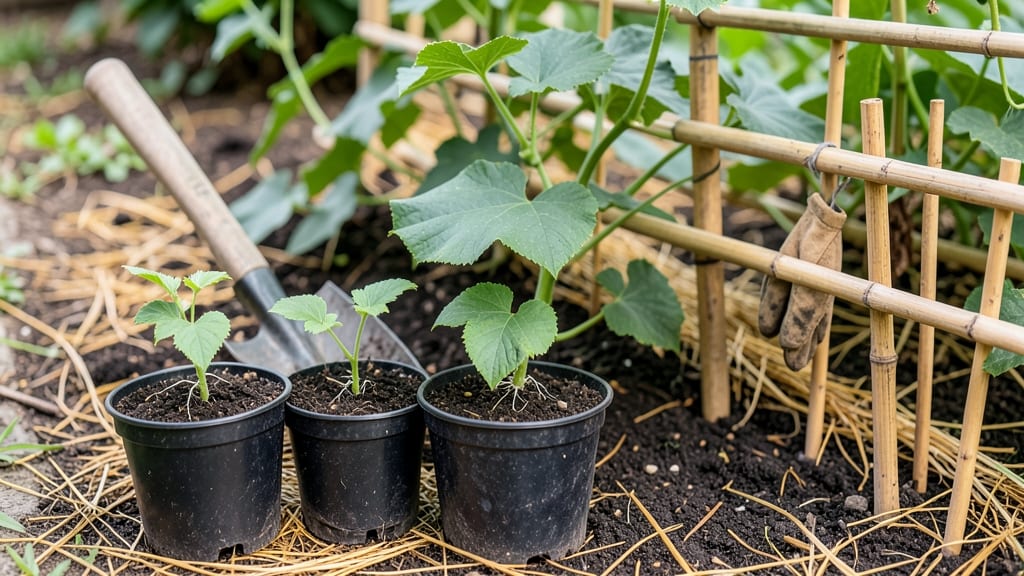
Knowing when to plant cucumbers in West Virginia can mean the difference between a thriving 🥒 harvest and wasted effort. The state’s 6a zone and varied microclimates—from the Appalachian highlands to the panhandle’s flatter terrain—make timing everything.
Plant too early, and a late frost will nip your seedlings in the bud; too late, and summer’s heat will pass before your vines even think about producing.
Your best window opens around April 15, once soil temperatures hit 60°F and all frost risk has faded. But don’t wait until June 1—by then, heat-loving cucumbers may struggle to establish before summer’s peak.
I’ll break down the exact planting strategies for your county, including how to stretch your growing season with row covers or black plastic mulch.
This isn’t just about dates—it’s about soil prep, variety selection, and protecting young plants from West Virginia’s unpredictable weather. Whether you’re growing bush varieties for small spaces or sprawling vines for trellises, the right timing ensures you’ll be harvesting crisp, homegrown cucumbers from June through September.
Let’s dive into the frost-free window by county, plus pro tips to beat early frosts and late-season heat. Your garden’s success starts with knowing the perfect moment to plant—so you can enjoy that first slice of fresh, vine-ripened cucumber without the guesswork.
West Virginia’s frost-free dates by county: best planting windows for cucumbers
West Virginia’s USDA Zones 5-7 create a unique challenge for cucumber growers—cool mountain air in the north clashes with warmer river valleys in the south.
To nail the perfect planting window, I’ve broken down last frost dates by county and matched them to cucumber varieties that thrive in WV’s climate. Straight Eight and Lemon Cucumber are my top picks for their heat tolerance and productivity.
Most of West Virginia’s last frost dates fall between April 15 and May 15, but elevation changes everything. Counties like Pocahontas (higher elevation) may see frost until May 20, while Putnam County (lower elevation) often warms up by April 10.
Always check your local Almanac or WVU Extension for year-specific updates.
For maximum yield, plant cucumbers 2-3 weeks after your county’s last frost date. This gives soil time to warm to at least 60°F—critical for cucumber germination. Black plastic mulch can shave off 1-2 weeks of waiting by raising soil temperatures faster.
Here’s how to match your county to the ideal planting window:
| County | Last Frost Date | Best Planting Window | Recommended Variety |
|---|---|---|---|
| Kanawha | April 10 | April 25 - May 10 | Straight Eight |
| Putnam | April 15 | May 1 - May 15 | Lemon Cucumber |
| Monongalia | April 20 | May 5 - May 20 | Marketmore 76 |
| Pocahontas | May 20 | May 25 - June 10 | Bush Champion |
| Mason | April 25 | May 10 - May 25 | Armenian Cucumber |
If you’re in a higher-elevation county like Pocahontas or Randolph, opt for bush varieties like Bush Champion—they mature faster in cooler conditions. For lower-elevation areas (e.g., Kanawha Valley), vining types like Straight Eight thrive with 6+ hours of sun and warm soil.
Pro tip: Use row covers for 2-3 weeks after transplanting to protect young plants from late frosts (common in Appalachian counties). Remove covers once vines hit 12 inches tall to prevent overheating.
For extended harvests, I recommend succession planting every 2 weeks until June 15. This staggered approach ensures fresh cucumbers from July through September, even as summer heat peaks. Shade cloth (30%) can help in July-August if temperatures exceed 90°F.
Remember: Soil temperature matters more than air temperature. Test it with a soil thermometer—cucumbers won’t germinate well below 60°F. If your soil is still cold, try starter plants instead of seeds for a head start.
🌱
How to extend your cucumber growing season in West Virginia’s climate
West Virginia’s short but intense growing season can challenge cucumber lovers, but with the right tricks, you can harvest crisp cucumbers from spring to fall.
The key lies in microclimate awareness—whether you’re in the Appalachian highlands or the panhandle’s warmer valleys, timing and protection make all the difference.
For early starts, use row covers or cold frames to shield seedlings from late spring frosts. These tools buy you 2-3 extra weeks of growing time, letting you plant 'Straight Eight' cucumbers as early as mid-April in sheltered spots like Charleston or Huntington.
🌱
- 🌡️ Use black plastic mulch to warm soil 5-10°F faster, letting you plant 2 weeks earlier than bare soil.
- 🛡️ Row covers protect seedlings from late frosts (below 32°F)—remove when flowers appear to allow pollination.
- ☀️ Shade cloth (30-50%) prevents bolting in summer heat (above 90°F), extending harvest into early October.
- 🌱 Succession plant every 2 weeks from May to July for a continuous harvest until frost.
- 🏡 Cold frames or mini greenhouses let you grow cucumbers year-round in mild WV winters (Zones 6-7).
In higher elevations like Pocahontas County, focus on heat-tolerant varieties like 'Lemon Cucumber' and plant later (after May 15) to avoid early-season chills. For panhandle regions, shade cloth becomes your best friend in July and August when temperatures soar.
Don’t forget succession planting—sow new seeds every 2 weeks from May through July to ensure a steady supply until the first frost. This works especially well for bush varieties, which mature faster and take up less space.
For late-season protection, low tunnels or hoop houses can push your harvest into October. Pair this with drip irrigation to keep soil moist without wetting foliage—critical for disease prevention in West Virginia’s humid summers.
With these strategies, you’ll turn WV’s 165-day frost-free window into a near-year-round cucumber factory. Just remember: monitor local forecasts and adjust timing based on your specific microclimate!