
Plants
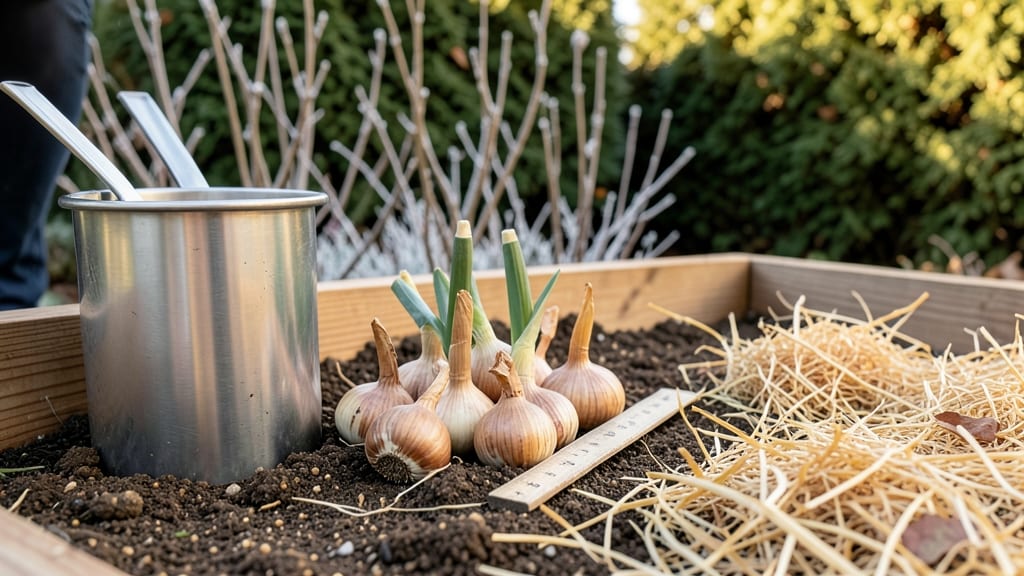
Timing your daffodil bulb planting in Virginia can make the difference between a vibrant spring display and bulbs that never bloom. With Virginia’s 6a-7b climate, getting those 🌼 planted just right—before the ground freezes but after summer’s heat fades—is the key to success.
Most gardeners in Virginia aim to plant between October and November, but the exact window depends on your region’s first frost date. Plant too early, and your bulbs might sprout before winter; too late, and they won’t establish roots before the cold sets in.
The goal? Give them 4-6 weeks of root growth before the ground freezes.
I’ve seen firsthand how a few weeks’ difference can mean the difference between thriving daffodils and lost investments. Whether you’re in the Piedmont or Tidewater regions, this guide breaks down the perfect planting schedule—plus soil prep tips—to ensure your bulbs survive Virginia’s unpredictable fall weather.
Ready to set your garden up for next spring’s cheer? Let’s dive into the exact steps to plant your daffodils at the ideal time, so you’re not left wondering why your 🌼 never returned in March.
Best fall planting window for daffodils in Virginia’s climate zones
Virginia’s USDA zones 5b-8a create a tricky balance for daffodil planting—too early, and bulbs may rot in warm soil; too late, and they won’t root before frost. The ideal window is 4-6 weeks before your area’s first frost, typically mid-October to early November across most of the state.
This timing lets bulbs establish roots while avoiding winter’s harshest freeze.
For northern Virginia (zones 5b-6a), like the Shenandoah Valley, aim for late September to mid-October. Here, frost arrives earlier, so planting in early September risks rot if soil stays warm.
Meanwhile, southern Virginia (zones 7a-8a), including the Tidewater region, can wait until November—sometimes even early December—thanks to milder winters.
Pro tip: Check your local frost dates via the National Weather Service or Virginia Cooperative Extension. For example, Richmond’s first frost often hits November 15, while Roanoke’s arrives two weeks earlier. Plant accordingly to avoid frozen bulbs before roots form.
Soil temperature is just as critical as calendar dates. Daffodils need 60°F soil to start rooting but can’t handle below 40°F for long. Use a soil thermometer to confirm readiness—if temps drop below 50°F at night, delay planting until conditions stabilize.
| Virginia Region | USDA Zone | Best Planting Window | Soil Temp Goal | First Frost Avg. |
|---|---|---|---|---|
| Northern VA (Shenandoah, Blue Ridge) | 5b-6a | Late Sept–Mid-Oct | 60–70°F | Nov 1–15 |
| Central VA (Charlottesville, Lynchburg) | 6b-7a | Mid-Oct–Early Nov | 55–65°F | Nov 10–25 |
| Southern VA (Richmond, Hampton Roads) | 7b-8a | Nov–Early Dec | 50–60°F | Dec 1–15 |
If you miss the ideal window, don’t panic! Early September plantings work in cooler microclimates (e.g., mountain slopes), while December is still viable in sheltered beds with heavy mulch. Just ensure bulbs are planted 6 weeks before ground freezes—use a soil thermometer to track temps.
For container gardening, extend your window slightly. Pots warm up faster in fall, so plant 2 weeks later than in-ground bulbs. Choose well-draining containers and move them to a garage or shaded porch if frost threatens before roots establish.
Remember: Daffodil bulbs need cold to bloom! Planting too late (e.g., January) may result in weak or no flowers the following spring. The 4-6 week rule before frost is your golden ticket to vibrant spring blooms.
🌼 For extra insurance, mulch heavily after planting with 4–6 inches of straw or shredded leaves. This protects bulbs from temperature swings and soil heaving during freeze-thaw cycles—critical in Virginia’s unpredictable winters.
Best fall planting window for daffodils in Virginia’s climate zones
Virginia’s USDA zones 5b-8a create a tricky balance for daffodil planting—too early, and bulbs may sprout before winter; too late, and they won’t root before frost. The ideal window is 4-6 weeks before your region’s first frost, typically mid-October to early November for most of Virginia.
In colder zones (5b-6a), aim for early October to give bulbs time to establish roots before ground freezes.
For warmer zones (7a-8a), you can plant as late as mid-November, but avoid December entirely—soil temperatures below 50°F (10°C) slow root growth. Check your local first frost date (usually mid-November in central VA, earlier in the mountains) to calculate your planting window.
I’ve found that late October is the safest bet for most gardeners in the Richmond and Roanoke areas.
🌼
Virginia Daffodil Planting Timeline by Zone
| USDA Zone | First Frost Date | Ideal Planting Window | Soil Temp Threshold |
|---|---|---|---|
| 5b-6a (Mountains) | Mid-October | Early October | Above 50°F (10°C) |
| 6b-7a (Piedmont) | Late October | Mid-October to early November | Above 55°F (13°C) |
| 7b-8a (Tidewater) | Early November | Late October to mid-November | Above 60°F (16°C) |
*Adjust for microclimates—valleys freeze earlier than hillsides.
If you’re unsure about your zone, use the USDA Plant Hardiness Zone Map to pinpoint your exact location. For example, Blacksburg (Zone 6a) should plant by October 15th, while Norfolk (Zone 8a) can wait until November 1st.
I’ve also noticed that microclimates play a huge role—garden beds near water or in low-lying areas may freeze earlier than elevated spots.
Pro tip: Use a soil thermometer to confirm temperatures are above 50°F (10°C) before planting. In Virginia’s unpredictable fall weather, a sudden cold snap can delay root growth.
If you’re still unsure, err on the earlier side—daffodil bulbs can tolerate cooler soil better than they can handle late planting.
Once you’ve nailed the timing, the next step is ensuring your Virginia soil is ready—moist, well-draining, and free of weeds. But that’s a topic for our next section! 🌱