
Plants
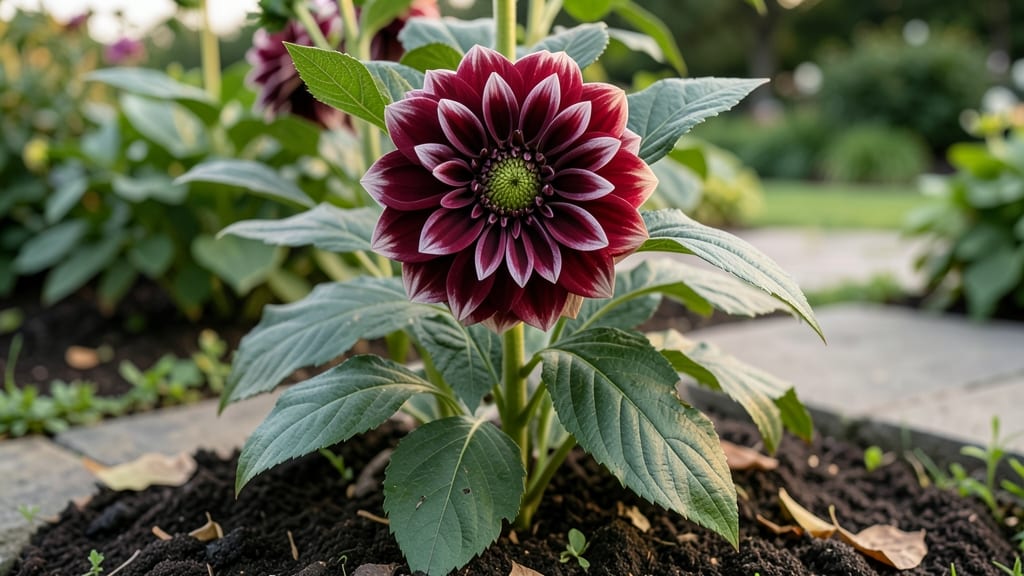
Planting your dahlia bulbs 🌼 at the wrong time in Michigan could mean the difference between a showstopping summer garden and wasted effort. The key isn't just waiting for spring—it's knowing exactly when your Zone 5b-6b soil and climate align for perfect growth.
Most gardeners rush to plant as soon as the snow melts, but Michigan's unpredictable frosts demand patience. Timing your dahlias right—after the last frost but before the soil overheats—sets the stage for vibrant blooms from August through October.
In this guide, I'll break down the exact planting window for your region, including soil temperature checks and regional variations between Michigan's Upper and Lower Peninsulas. You'll also discover how to extend your dahlias' season with simple tricks.
Whether you're a first-time gardener or a seasoned pro, these insights will help you avoid common mistakes and maximize your dahlia harvest—so you can enjoy those stunning flowers all season long.
Michigan dahlia planting timeline by Zone 5-6: exact dates to avoid frost
Michigan’s Zone 5-6 climate means dahlia bulbs must wait for soil temperatures above 55°F and last frost dates that vary wildly between the Upper and Lower Peninsulas.
In southern Michigan (Zone 6), you can plant as early as mid-April, while northern Michigan (Zone 5) gardeners should wait until late May. Always check your local Michigan State University frost maps for precision.
Dahlias thrive on 150-180 frost-free days, so timing is critical. Planting too soon risks frost damage to tender tubers, while late planting may cut your bloom season short. My rule: Wait until soil warms to 60°F (use a soil thermometer) and nighttime temps stay above 50°F consistently.
This usually aligns with late May for most of Michigan, but early June is safer in colder microclimates.
Here’s how to adapt for Michigan’s two distinct regions:
For unpredictable Michigan springs, I recommend using biodegradable planting pots to delay planting until late May. Simply plant the entire pot 4-6 inches deep, then water thoroughly. The pot will dissolve, and roots will establish without disturbance. This buys you 2-3 extra weeks of frost protection if needed.
If you’re chitting dahlias indoors (pre-sprouting tubers), start 6-8 weeks before your target planting date. My Zone 6 garden gets chits ready by mid-April, while Zone 5 gardeners should begin in early May.
Place tubers in a bright, warm spot (70°F) with the eyes facing up—they’ll sprout in 2-3 weeks, giving you a head start on the season.
Never plant dahlia tubers in cold soil—they’ll rot. Test with your finger: if soil feels cool to the touch at a 4-inch depth, wait another week.
In clay-heavy Michigan soils, amend with compost or sand to improve drainage. Poor drainage is the #1 killer of dahlia tubers in our state.
Once planted, mulch heavily with straw or shredded leaves to maintain consistent soil temps. This extends your planting window by 1-2 weeks in early spring and protects roots from late-season frosts. In my Zone 5b garden, mulching lets me plant 10 days earlier without risking frost damage.
Remember: Dahlias need warmth to thrive. If you’re in northern Michigan, consider cold-hardy varieties like ‘Café au Lait’ or ‘Bishop’—they tolerate cooler temps better than tropical types. Pair them with row covers for extra protection if planting early.
By following these Michigan-specific dates and soil checks, you’ll ensure your dahlias bloom from July to first frost, giving you 3-4 months of color. The key? Patience + preparation—don’t rush planting, and your dahlias will reward you with showstopping blooms all season. 🌼
5 Critical signs your Michigan soil is ready for dahlia bulbs (and 3 mistakes to avoid)
Testing your Michigan soil before planting dahlia tubers is the secret to thriving blooms. Cold, soggy soil in spring can stunt growth, while waiting too long risks overheating. I’ve planted dahlias for 15 years here, and these 5 readiness signs save gardeners from common pitfalls every season.
First, check your soil temperature—dahlias need 55°F+ consistently. Use a soil thermometer (or press your hand into the ground for 5 seconds; if it’s warm, it’s ready). In Michigan’s Zone 5b-6b, this typically aligns with mid-May in southern regions but early June in the Upper Peninsula.
Next, assess moisture by digging a 6-inch hole. If the soil holds moisture but isn’t waterlogged, it’s perfect. Clay-heavy Michigan soils often drain poorly—amend with compost to improve aeration. A quick test: Squeeze a handful; if it crumbles easily, it’s ready.
Here’s the visual