
Plants
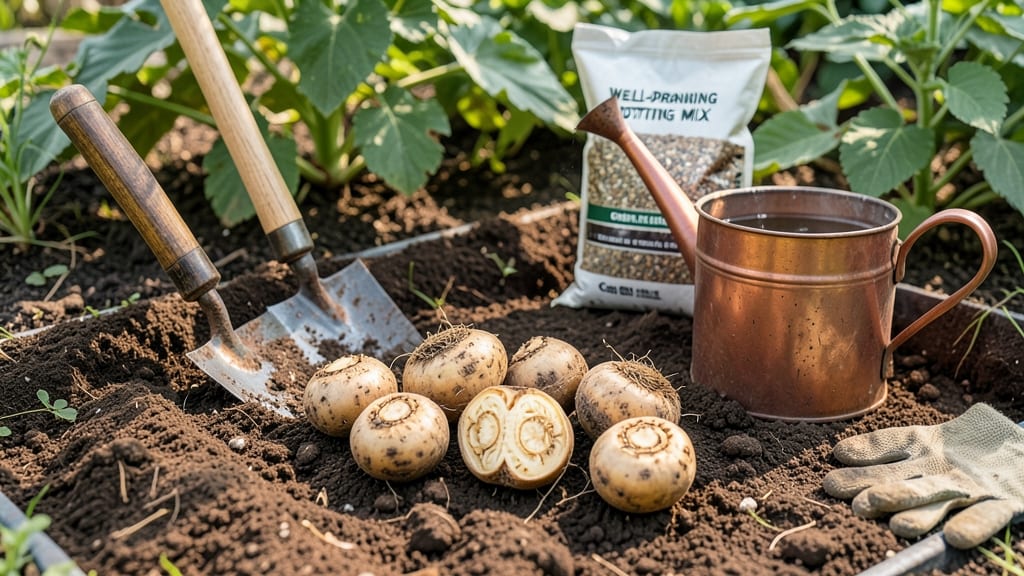
When to plant dahlias in Southern California is the secret to avoiding bolting and enjoying those showstopping 🌼 blooms all season. Unlike cooler climates, our year-round warmth means planting too early can trigger heat stress, while waiting too long cuts your bloom window short.
Most gardeners here swear by two key windows: February-March for spring blooms or August-September for stunning fall displays. But with no frost to worry about, the real challenge is beating the heat—especially when tubers start sprouting too soon.
I’ll show you exactly how to time it for heat-resistant dahlias that thrive, not wilt.
Whether you’re starting from tubers or seeds, the right approach makes all the difference. We’ll cover soil temps, mulching tricks, and even how to salvage late plantings. Skip the guesswork and get the perfect schedule for your microclimate—coastal, inland, or desert-adjacent.
Ready to transform your garden into a dahlia paradise? Let’s dive into the exact timing and care tips that’ll keep your plants happy and blooming from spring to fall—no bolting in sight!
Southern California dahlia planting calendar: best months to avoid heat stress
Southern California’s frost-free winters and intense summer heat create a unique challenge for growing dahlias. Unlike northern climates, we can’t rely on spring frost dates—our dahlias must survive 90°F+ temperatures from planting day. The key? Strategic timing that aligns with soil warmth and rainfall patterns to prevent bolting.
Most gardeners focus on spring planting (February-March), but Southern California’s extended growing season also allows for a second planting window in late summer (August-September). This second chance produces fall blooms when temperatures dip slightly, giving you two seasons of color from one tuber.
Your microclimate matters more than your ZIP code. Coastal areas like Santa Barbara stay cooler longer, while inland Los Angeles and desert-adjacent Palm Springs face earlier heat stress. Let’s break down the ideal planting windows for each zone to maximize your dahlias’ success.
| Microclimate | Spring Planting Window | Fall Planting Window | Soil Temp Threshold | Key Tip |
|---|---|---|---|---|
| Coastal (Santa Barbara, San Diego) | Late February - Early April | Late August - Mid-September | 60°F+ (15°C+) | Start tubers indoors in January for earlier blooms. |
| Inland (Los Angeles, Riverside) | Mid-February - Mid-March | Early August - Early September | 65°F+ (18°C+) | Use shade cloth for first 2 weeks post-transplant. |
| Desert-Adjacent (Palm Springs, Coachella) | January Only (indoor starts) | Late July - Early August | 70°F+ (21°C+) | Plant in morning shade with drip irrigation. |
For spring planting, aim to get tubers in the ground when soil temperatures consistently reach 60°F (15°C). Use a soil thermometer to monitor—cooler soils delay growth and increase bolting risk.
In coastal areas, this typically aligns with late February, while inland zones may wait until mid-March.
My pro tip: Pre-soak tubers for 24 hours before planting to jumpstart root growth. This is especially critical in drought-prone areas where soil can dry out quickly. Pair this with a 2-inch layer of mulch to lock in moisture and keep roots cool during April’s heat spikes.
Don’t overlook the fall planting window, which gives you a second chance for autumn blooms. Plant tubers in August-September when daytime highs drop below 95°F (35°C). This timing capitalizes on cooler nights and higher humidity, reducing stress on newly transplanted dahlias.
If you’re starting tubers indoors (recommended for desert zones), begin 8-10 weeks before your target outdoor date. Use grow lights to supplement weak winter sun, and harden off seedlings for 10-14 days before transplanting.
This extra care pays off with bolting-resistant plants ready to handle Southern California’s unpredictable spring rains.
Remember: Dahlias hate soggy roots. Amend your soil with compost and perlite to improve drainage, especially in clay-heavy inland soils. A 5-gallon container with drainage holes works well for small varieties like 'Mignon' types, giving you flexibility to move plants if heat stress looms.
🌱
Southern California dahlia planting calendar: best months to avoid heat stress
Southern California’s frost-free climate means dahlias can bloom year-round—but the key to success is timing your planting to avoid heat stress. Unlike cooler regions, our 90°F+ summers can cause dahlias to bolt (send up flower spikes too early), ruining their compact growth.
The ideal windows are February-March for spring blooms or August-September for fall displays, but your microclimate matters.
Coastal areas like San Diego have milder summers, while inland spots like Riverside hit 100°F by May. Desert-adjacent zones (e.g., Palm Springs) need even earlier plantings. I’ll break down the exact months and soil temp thresholds to keep your dahlias thriving—not wilting.
🌱 Southern California Dahlia Planting Timeline
| Microclimate | Optimal Planting Window | Soil Temp Threshold | Bolt Risk |
|---|---|---|---|
| Coastal (e.g., LA, San Diego) | February–March OR August–September | 60–65°F (15–18°C) | Low (milder summers) |
| Inland (e.g., Riverside, Orange County) | January–February OR July–August | 55–60°F (13–16°C) | Moderate (heat spikes by May) |
| Desert-Adjacent (e.g., Palm Springs, Joshua Tree) | December–January OR June–July | 50–55°F (10–13°C) | High (100°F+ by April) |
🌡️ Pro Tip: Use a soil thermometer to confirm temps before planting.
For spring blooms, start tubers indoors in January (8–10 weeks before last frost, though frost is rare). Transplant outdoors when soil hits 60°F—typically mid-February for coastal areas or January inland. This head start helps dahlias establish roots before summer heat arrives.
If you prefer fall blooms, plant tubers in late July–August when daytime temps drop below 90°F. This avoids the brutal September heatwave that can stress new plants. Mulch heavily with 3–4 inches of straw to keep roots cool and moist.
One game-changer for Southern California gardeners: late-summer transplanting. If you miss the August window, try planting in early September but choose dwarf varieties (like 'Mignon' types) and provide afternoon shade with shade cloth. These plants may bloom later but still deliver stunning fall color.
Remember: Dahlias hate soggy soil but need consistent moisture. In USDA Zones 9b–11, aim for 1–2 gallons of water per plant every 2–3 days during peak heat. Drip irrigation or soaker hoses work best to avoid wetting foliage (which promotes disease).