
Plants
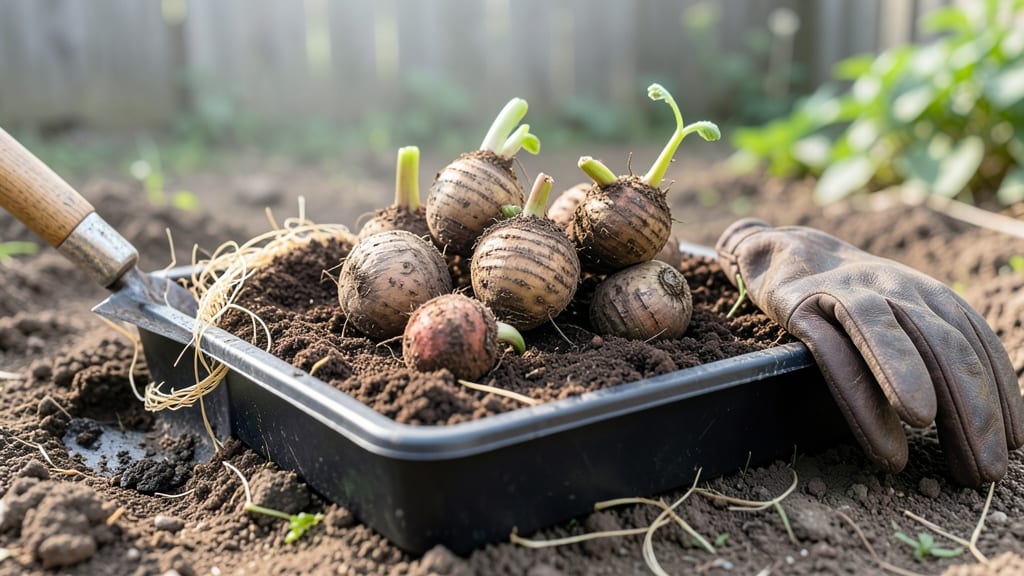
Timing your dahlias just right in Zone 7b means the difference between a garden bursting with 🌸 blooms and struggling plants that never quite thrive. Get it wrong, and you’ll deal with weak stems or flowers that wilt before they even open.
For gardeners in Zone 7b, the ideal window is narrow but critical—planting too early risks frost damage, while waiting too late cuts your blooming season short. The key is knowing when your soil warms and when those last frost dates actually pass in your specific microclimate.
I’ll break down exactly when to plant your tubers or starts, including heat-resistant varieties that handle Zone 7b’s summer heat like a champ. Whether you’re in the Piedmont or the Appalachian foothills, these tips will help you maximize your dahlias’ potential.
Ready to transform your garden? Let’s dive into the perfect timing, soil prep, and pro tips to keep your dahlias flourishing all season long.

Exact weeks before last frost to plant dahlias in Zone 7B
Zone 7B gardeners face a critical 4-6 week window between last frost (typically April 15) and summer heat. Dahlias need soil temperatures above 60°F and frost-free conditions to thrive.
Planting too early risks tuber rot from cold soil, while late planting delays blooms until late summer—just before fall frost.
For tubers, aim to plant 2-3 weeks after your last frost date. In most of Zone 7B, this lands between late April and mid-May. Use a soil thermometer to confirm—60°F+ is your green light.
If you're in Appalachian foothills, wait until May 1 to avoid late frosts that can linger.
Starting with potted dahlias? These give you flexibility. Transplant them 1-2 weeks before last frost if you protect them with frost cloth for the first few nights.
Harden off plants first by exposing them to outdoor conditions gradually over 7-10 days. This mimics Zone 7B’s unpredictable spring weather and prevents shock.
Here’s the Zone 7B planting timeline broken down by microclimate:
| Planting Method | Zone 7B Piedmont | Zone 7B Appalachian Foothills | Soil Temp Requirement | Frost Risk Window |
|---|---|---|---|---|
| Tubers (bare root) | Late April - Early May | Mid-May | 60°F+ | April 15 - May 1 |
| Potted Starts (transplant) | Early April (with frost cloth) | Late April | 50°F+ | April 1 - April 15 |
| Pre-sprouted Tubers | Early May | Mid-May | 60°F+ | April 20 - May 1 |
Pro tip: Pre-sprout tubers indoors 4-6 weeks before planting. Place them in a bright, warm spot (70°F) and watch for 1-inch sprouts. This head start ensures dahlias bloom 2-3 weeks earlier in Zone 7B’s short growing season. Just avoid letting sprouts exceed 3 inches before planting—long stems break easily.
If you’re in a warmer microclimate (like Raleigh, NC), you can push planting to early April with row covers for protection. But in cooler areas (e.g., Asheville, NC), wait until after May 1 to avoid frost damage.
Always check your local Almanac’s frost prediction—Zone 7B’s frost dates can vary by 10-14 days year to year.
For container gardening, plant dahlias 1 week earlier than in-ground. Containers warm up faster and drain better, reducing frost risk. Use black pots to absorb heat—these can raise soil temps by 5-10°F compared to white or red containers. Just ensure pots have drainage holes to prevent waterlogged roots.
Remember: Dahlias are short-day plants, meaning they bloom in response to daylight length. In Zone 7B, this triggers blooms in late summer. Planting at the right time ensures you get maximum blooms before fall frost (typically mid-November).
Miss the window, and you’ll sacrifice 30-50% of potential flowers.
Once planted, mulch heavily with straw or shredded leaves to maintain even soil temps. This is especially critical in Zone 7B’s hot summers, where soil can exceed 90°F—a temperature that stresses dahlias. Mulch keeps roots 5-10°F cooler and retains moisture for up to 30% longer.
🌱
Exact weeks before last frost to plant dahlias in Zone 7B
Zone 7B gardeners face a tight window between last frost dates (typically April 15) and summer heat—planting dahlias too early risks frost damage, while late planting delays blooms.
The sweet spot? 4-6 weeks before your average last frost, when soil reaches 60°F and nighttime temps stay above 50°F consistently.
For most of Zone 7B (including Piedmont and Appalachian foothills), this means mid-to-late April for tubers or early May for young starts. Use a soil thermometer to confirm—dahlias won’t thrive in cold soil, even if frost risk is gone.
In cooler microclimates (like higher elevations), wait until early May to avoid stunted growth.
🌱Pro Tip: If you’re unsure about frost dates, check your local Cooperative Extension Service (e.g., Virginia Tech or NC State) for hyper-local averages. Some years, a late frost can push your window back by 1-2 weeks.
| Planting Method | Best Timeframe | Soil Temp Requirement | Zone 7B Notes |
|---|---|---|---|
| Tubers (bare-root) | 4-6 weeks before last frost | 60°F+ (consistently) | Soak tubers 24 hours before planting to encourage root growth. |
| Young starts (potted) | 2-3 weeks before last frost | 50°F+ (min) | Hardier than tubers; ideal for late frost years. |
| Transplanting mature plants | After May 15 (heat tolerance) | 65°F+ (daytime) | Risk of transplant shock—water deeply for 10 days post-planting. |
Zone 7B’s microclimates matter: Gardens in the Piedmont region (e.g., Raleigh, Charlotte) can plant 1 week earlier than those in the Appalachian foothills (e.g., Asheville, Boone). If you’re near a large body of water or in a valley, expect cooler nights—delay planting until soil warms fully.
🌡️Critical Threshold: Never plant when nighttime temps dip below 50°F—dahlias are tender perennials and will rot in cold, wet soil. Use row covers if an unexpected frost threatens after planting.
For extended blooms, aim to have dahlias established by early May. This gives roots 6-8 weeks to strengthen before summer’s peak heat. In my Zone 7B garden, I’ve found that ‘Café au Lait’ and ‘Karma Choc’ varieties handle the heat best when planted by this deadline.