
Plants
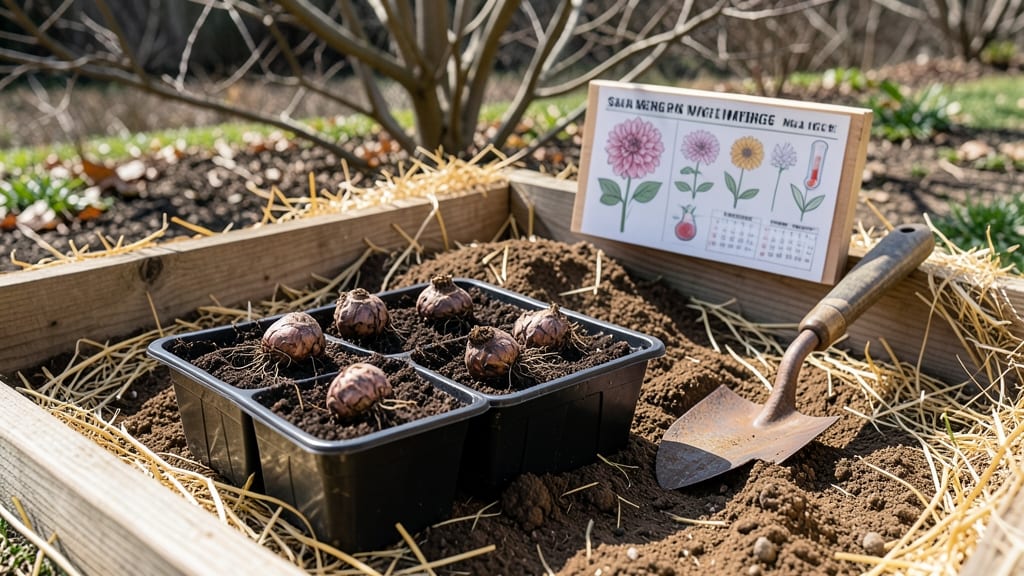
If you're dreaming of a garden bursting with 🌸 dahlias in Zone 8a, timing is everything—plant too soon and frost will zap your tubers, too late and you’ll miss the bloom window entirely.
The secret lies in waiting for soil warmth (at least 60°F) and avoiding those sneaky late frosts that can strike even in spring.
Most gardeners in Zone 8a aim to plant between mid-April and early June, but the real magic happens when you sync planting with your local frost-free date. I’ll show you how to track soil temperature and other foolproof signs your dahlias are ready to thrive.
Whether you’re pre-sprouting tubers indoors or planting directly, this guide covers all the zone-specific tricks—from extending your window with row covers to choosing fast-blooming varieties that beat the heat. Let’s get those stunning flowers growing!
Skip the guesswork and learn exactly when to plant for a season of vibrant blooms—no more wasted tubers or missed opportunities. Ready to transform your garden?

Zone 8a dahlia planting timeline: soil temperature & frost dates
In Zone 8a, dahlias need warm soil (at least 60°F) to thrive, but planting too early risks frost damage. The average last frost date here is March 15, but soil warmth lags behind air temperature.
Dahlias are heat-loving tubers that won’t sprout until the ground reaches 55-60°F consistently.
Your ideal planting window spans from mid-April to early June, depending on soil conditions. Planting in May is safest for most gardeners, balancing frost risk and heat tolerance. Late plantings (June) may still produce flowers but with a shorter season.
Zone 8a’s unpredictable late frosts (even in April) make soil temperature your best guide. Use a soil thermometer to confirm warmth before planting. If your soil stays below 55°F past April 30, delay planting until early May.
🌱 Zone 8a Dahlia Planting Summary
| Stage | Action | Key Indicator |
|---|---|---|
| Prep Tubers | Cut tubers, let dry 2-3 days | Early March |
| Start Indoors (Optional) | Plant in pots, 6-8 weeks before last frost | Early February |
| Direct Planting Window | After soil reaches 60°F, 2-4 weeks after last frost | Mid-April to early June |
| Hardening Off (Indoor Starts) | Acclimate plants 7-10 days before transplanting | Late April |
| First Frost Risk | Cover plants if frost predicted after planting | November 15 |
🌡️ Pro Tip: Use a soil thermometer for 3 consecutive days at 60°F+ before planting.
Zone 8a’s short growing season (about 210 frost-free days) demands efficiency. Plant fast-growing varieties like 'Café au Lait' or 'Bishop' to maximize blooms. These varieties mature in 90-100 days, giving you flowers before fall’s chill sets in.
If you miss the ideal window, consider container gardening—pots warm up faster than soil and let you plant 2-4 weeks later than ground plantings. Just ensure containers have drainage holes to prevent tuber rot in Zone 8a’s humid summers.
Watch for heatwave risks after planting. Dahlias wilt in 90°F+ temperatures if not watered deeply. Mulch with 2-3 inches of straw to retain moisture and protect tubers from temperature swings. This is especially critical in Zone 8a’s late spring when days heat up quickly.
For extended blooms, deadhead spent flowers regularly. In Zone 8a, this encourages reblooming until first frost (around November 15). Cut back foliage by half in September to redirect energy to tuber development for next year.
Remember: Dahlias are tender perennials—they won’t survive Zone 8a winters in the ground. After first frost, dig up tubers, dry them, and store in a cool, dark place (like a garage) until March for replanting.
🌿 Key Takeaway: Time your Zone 8a dahlia planting by soil temperature, not calendar dates. Aim for mid-April to early June, with May as the safest bet for most gardeners.
Signs your Zone 8a soil is ready for dahlias (and what to do if it’s not)
Zone 8a’s unpredictable spring weather can leave you guessing whether your soil temperature and frost risk are truly safe for dahlias. Unlike cooler zones, late frosts here can strike as late as mid-April, while soil may warm unevenly across your garden.
Knowing the exact ready signs prevents wasted effort or stunted growth.
First, check your soil temperature—dahlias need consistently 60°F+ for 2-3 weeks before planting. A simple soil thermometer ($10 at garden centers) inserted 4 inches deep will give you precise readings. If your soil is still below 55°F, wait at least 7-10 days for it to warm naturally.
Next, observe your local plants. When peach or apple trees in your area burst into full leaf (usually late April in Zone 8a), it’s a strong signal that frost danger has passed. This "leaf-out" method works better than calendar dates alone, since Zone 8a’s frost patterns vary yearly.
Late Frost Risk in Zone 8a
Zone 8a’s late frosts can occur until April 15—even in "warm" microclimates. If you plant too early and a 28°F frost hits, your tubers will rot. Use row covers or wait until May 1 for extra safety.
If your soil is still too cold or frost risk looms, consider pre-sprouting tubers indoors. Place them in a moist paper towel in a warm, bright spot (70°F) and watch for 1-inch sprouts in 2-3 weeks.
Once sprouted, plant these hardened tubers as soon as soil reaches 60°F—they’ll bloom 3-4 weeks earlier than unsprouted tubers.
For containers, use black plastic pots (they absorb heat) and place them on elevated surfaces like bricks or pallets. This warms the soil 5-10°F faster than ground-level beds.
Pair this with a clear plastic dome (like a cut-off milk jug) to trap heat during the day and protect from chilly nights.
Remember: Dahlias in Zone 8a reward patience. Rushing into March planting risks frost damage, while waiting until late May may shorten your bloom season. Strike the balance by planting when your soil thermometer hits 60°F consistently and local trees are in full leaf—then enjoy continuous blooms until October.