
Plants
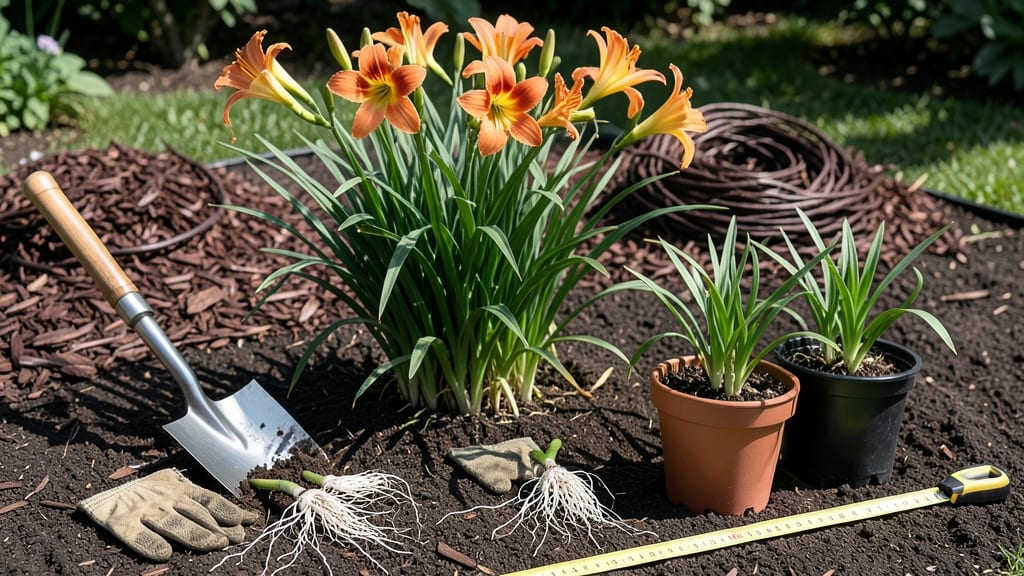
If you're dreaming of a Georgia garden bursting with bold, vibrant blooms all season long, timing your daylily 🌸 planting just right is the key to success.
Planting them at the wrong moment can leave you with weak growth or fewer showstopping flowers—but get it right, and you’ll enjoy those cheerful blooms from summer through fall.
With Georgia’s Zone 8A climate, you’ve got two prime windows to plant daylilies: early spring or early fall. But there’s more to it than just picking a month—soil temperature, frost dates, and even humidity play a role in helping your daylilies take root and thrive.
Let’s break down exactly when and how to plant for the most stunning results.
The secret to thriving daylilies starts with the right preparation. Whether you’re planting in March or September, we’ll cover soil prep, spacing tips, and post-planting care tailored to Georgia’s unique conditions. No more guesswork—just lush, healthy plants ready to dazzle your garden.
Ready to transform your yard into a daylily paradise? Let’s dive into the step-by-step guide that’ll have your garden blooming like never before—without the common mistakes Georgia gardeners often make.
Best planting windows for daylilies in Georgia’s Zone 8A climate
In Zone 8A Georgia, daylilies thrive when planted during two ideal windows: early spring or early fall. These timings align with soil temperatures and avoid late frosts that can damage tender roots.
For spring planting, aim for March to early April, while fall planting should occur between September and October.
Georgia’s humid subtropical climate means daylilies can handle heat, but cool soil temperatures (below 60°F) are critical for root establishment. Spring planting gives roots time to grow before summer’s intensity, while fall planting allows roots to strengthen before winter dormancy.
Your last frost date in Zone 8A is typically around March 15, so wait 2-3 weeks after this date to plant in spring. For fall, plant 6-8 weeks before the first frost (around November 15) to ensure roots establish before cold sets in.
| Planting Window | Ideal Months | Soil Temperature | Key Considerations |
|---|---|---|---|
| Spring | March - Early April | 60°F+ | Avoid late frosts; roots need 6-8 weeks to establish before summer heat. |
| Fall | September - October | 50°F-60°F | Plant 6-8 weeks before first frost; roots need time to harden off. |
For northern Georgia (closer to Zone 7), err on the later side for spring planting to avoid unpredictable late frosts. In southern Georgia (Zone 8B), you can plant slightly earlier in spring or later in fall, as frost risks are lower.
Always check your local USDA frost map for precise dates.
If you’re planting in containers or raised beds, you have more flexibility—these environments warm up faster in spring. However, still wait until soil temperatures are consistently above 60°F to prevent root shock. Use a soil thermometer to monitor conditions if unsure.
Daylilies planted in fall often produce more robust blooms the following year because they establish deep roots during the cooler months. For container-grown daylilies, fall planting is especially beneficial, as roots can spread more easily in loose soil before winter.
In urban gardens with microclimates (like heat islands near pavement), plant daylilies in partial shade during peak summer to reduce stress. However, they still need at least 4-6 hours of sun daily for optimal flowering.
Always acclimate bare-root daylilies for 24 hours before planting by soaking roots in water. This reduces transplant shock, especially important in Georgia’s hot, humid summers. After planting, water deeply to settle soil and encourage root contact.
For maximum blooms, divide established daylily clumps every 3-4 years in early spring or fall. This rejuvenates growth and prevents overcrowding, which can reduce flower production. Georgia’s climate is perfect for this—just time it right!
Remember: Daylilies are drought-tolerant once established, but young plants need consistent moisture. Mulch with 2-3 inches of organic mulch (like pine straw) to retain soil moisture and regulate temperatures. This is especially critical in Georgia’s hot summers.
Best planting windows for daylilies in Georgia’s Zone 8A climate
Georgia’s Zone 8A climate gives you two perfect opportunities to plant daylilies: early spring and early fall. Both seasons offer ideal conditions for root establishment, but timing matters to avoid frost damage or summer stress.
Spring planting should happen 2-3 weeks after your last frost date—typically mid-March to early April—while fall planting works best 6-8 weeks before the first frost, usually late September to early October.
Why these windows? Daylilies thrive when soil temperatures stay between 60°F and 70°F. Planting too early in spring risks frost damage, while late spring or summer planting can stress young roots in Georgia’s humid heat.
Fall planting, on the other hand, lets roots establish before winter dormancy, giving you a head start for next year’s blooms.
Here’s the key: Soil temperature is your best guide. Use a soil thermometer to confirm it’s consistently above 55°F before planting. In Georgia’s varied microclimates—from coastal humidity to inland dryness—this threshold ensures strong root growth.
If you’re in northern Georgia, err on the later side for spring planting to avoid late frosts.
Don’t overlook microclimate adjustments. Coastal areas like Savannah may have milder winters, allowing slightly later fall planting, while inland Atlanta might need earlier spring planting to avoid unpredictable frosts. Always check your local frost-free date—Georgia’s ranges from March 15 (north) to February 15 (south)—to fine-tune your schedule.
For container gardening, timing shifts slightly. Plant in late spring (May) to avoid winter pot stress, and use well-draining mixes to prevent root rot in Georgia’s humid summers. Containers also let you move plants indoors if early frosts threaten.
Pro tip: Mark your calendar for June 1 and September 15 as your target dates. These align with Georgia’s typical frost patterns and give your daylilies the best shot at thriving. With the right timing, you’ll enjoy continuous blooms from summer to fall—and fewer headaches from weather surprises.