Plants
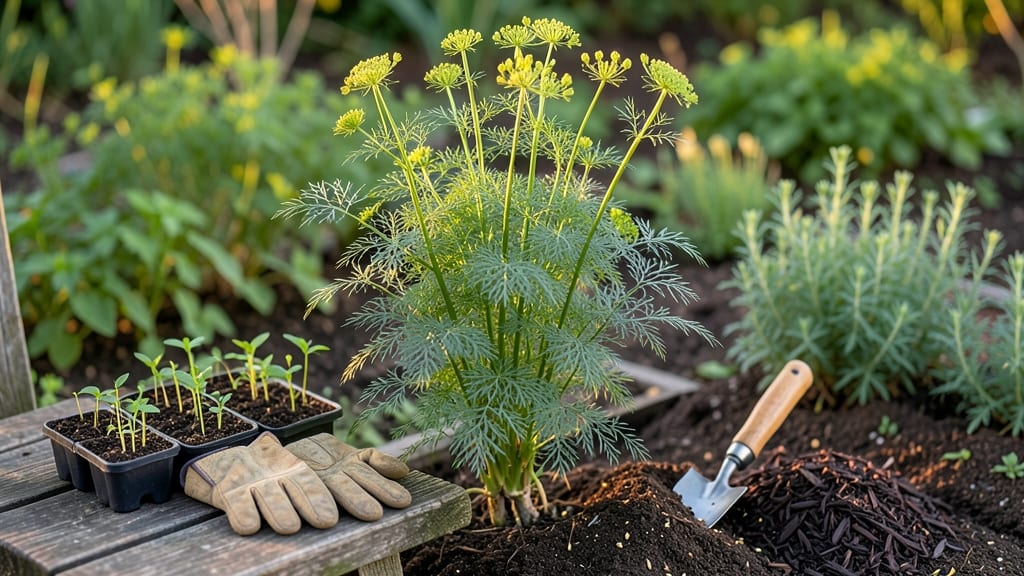
Timing your dill planting in Florida is the difference between fragrant, abundant harvests and bitter disappointment—because this herb bolts faster than a summer storm. With no frost to worry about but year-round heat, knowing the exact windows for each microclimate is your secret weapon.
Florida’s 9a-11 zones mean you can grow dill almost anytime, but fall and winter are your sweet spots. North Florida’s cooler pockets (like Gainesville) thrive with early fall plantings, while South Florida’s steamy summers demand shade and strategic timing to avoid bolting before harvest.
I’ll break down the optimal months for each region, plus pro tips to stretch your growing season. Whether you’re in Miami’s humidity or Orlando’s heat, these adjustments will keep your 🌿 dill lush and flavorful—no guesswork, just results.
Ready to skip the trial-and-error? Let’s dive into the perfect planting schedule for your corner of Florida, so you’re harvesting fresh dill in 60 days instead of watching it bolt before you blink.
Florida’s 3 microclimate zones for planting dill (with exact dates)
Florida’s climate might feel endless summer, but dill thrives best when planted strategically—avoiding the brutal 90°F+ heat that triggers bolting. The state’s three distinct microclimates—North, Central, and South Florida—each demand unique timing to maximize flavor and yield.
Let’s break down the optimal planting windows for each zone, so you can enjoy fresh dill year-round without the bitter disappointment of premature flowering.
First, understand that Florida’s USDA zones 9a-11 mean no frost to worry about, but heat stress is your real enemy. Dill bolts when temperatures exceed 85°F consistently, so timing your plantings around cooler months is key.
Coastal areas stay slightly milder than inland zones, giving you extra weeks of ideal growing conditions. Let’s dive into the specifics for each region.
🌱 Visual Guide: Florida Dill Planting Windows
| Microclimate Zone | Best Planting Window | Heat Threshold | Harvest Window | Key Notes |
|---|---|---|---|---|
| North Florida (Zones 8a-9a) | Late August-September (fall) and February-March (spring) | Bolt risk at 88°F+ | October-November (fall) and April-May (spring) | Cooler nights extend growth; use shade cloth in summer |
| Central Florida (Zones 9a-9b) | Late September-October (fall) and January-February (spring) | Bolt risk at 90°F+ | November-December (fall) and March-April (spring) | Humidity is high; prioritize airflow and well-draining soil |
| South Florida (Zones 10a-11) | Year-round with succession plantings every 4-6 weeks | Bolt risk at 92°F+ | Continuous harvests; peak in winter months | Tropical climate allows two harvests per year; use drip irrigation |
For North Florida gardeners, focus on fall plantings to beat the heat. The cooler temperatures and shorter days create ideal conditions for dill to mature without bolting.
I’ve had the most success planting Bouquet dill in late August, giving it time to establish roots before the first cold fronts arrive in October. This variety is particularly resilient to Florida’s humidity fluctuations.
In Central Florida, where temperatures can spike earlier, aim for September-October plantings to ensure your dill avoids the summer heat. If you’re eager for a spring harvest, start seeds indoors in January and transplant outdoors in February once nighttime temperatures drop below 75°F.
This two-step process gives your plants a head start before the heat ramps up.
South Florida’s tropical climate is a gardener’s dream for dill—you can plant year-round! However, to maximize flavor and prevent bolting, I recommend succession plantings every 4-6 weeks. This ensures a continuous harvest while avoiding the peak heat months of June-August.
For example, plant a batch in January, another in March, and a final one in September to enjoy fresh dill through the winter and early spring.
Regardless of your zone, soil preparation is non-negotiable. Florida’s sandy soils drain too quickly, so amending with 2-3 inches of compost and a balanced fertilizer (5-10-10) before planting creates the ideal growing medium.
I also recommend adding a 1-inch layer of mulch to retain moisture and regulate soil temperature—critical for preventing bolting during Florida’s unpredictable heat waves.
Pro tip: If you’re in a coastal area, take advantage of the milder temperatures near the water. I’ve noticed that dill planted within 500 feet of the coast in South Florida can handle slightly later spring plantings (up to March) compared to inland zones.
The ocean breeze acts as a natural temperature regulator, giving you that extra window for success.
Finally, don’t overlook the power of shade cloth if you’re pushing the limits of Florida’s heat zones. A 30-50% shade cloth can reduce soil temperatures by 10-15°F, making all the difference in preventing bolting.
I’ve used it successfully with summer plantings in Central Florida, extending the growing season by 4-6 weeks and yielding 30% more harvestable leaves.
Timing your dill plant
Florida’s 3 microclimate zones for planting dill (with exact dates)
Florida’s climate is deceptive—it’s frost-free year-round, but heat intensity and humidity spikes between June and September can turn your dill into a bitter, bolting mess. The key? Planting in the cooler microclimates where temperatures stay below 85°F consistently.
North Florida’s USDA Zone 8b behaves like a temperate garden, while South Florida’s Zone 11 demands shade and extra water. Let’s break down the exact planting windows for each zone to maximize your harvest.
North Florida (USDA Zones 8a-9a, e.g., Jacksonville, Gainesville) has cooler winters and sharper seasonal shifts. Here, dill thrives when daytime temps hover between 70°F and 80°F. Your ideal planting windows are mid-February to early April for spring harvests and mid-August to early October for fall.
Avoid planting after April 15—the heat will bolt your plants in 3-4 weeks.
| Zone | Best Planting Window | Avoid Planting After | Key Tip |
|---|---|---|---|
| North Florida (8a-9a) | Feb 15 - Apr 15 Aug 15 - Oct 1 |
Apr 15 Oct 15 |
Use row covers in late spring to delay heat stress. |
| Central Florida (9b-10a) | Jan 1 - Mar 15 Sep 1 - Oct 31 |
Mar 30 Nov 15 |
Plant in partial shade during summer months. |
| South Florida (10b-11) | Year-round (best: Sep-Dec) | Mar 15 Aug 15 |
Use 50% shade cloth to prevent bolting in summer. |
Central Florida (USDA Zones 9b-10a, e.g., Orlando, Tampa) offers a longer frost-free window, but the humidity and heat can still stress dill. Your sweet spot is January 1 to March 15 for spring and September 1 to October 31 for fall.
If you’re ambitious, you can squeeze in a summer crop by planting in partial shade (e.g., under a 30% shade cloth) and providing daily watering. Just don’t expect the same flavor—summer-grown dill is milder but still usable.
South Florida (USDA Zones 10b-11, e.g., Miami, Key West) is the only place where you can grow dill year-round. However, the real magic happens between September and December, when temps dip into the 75°F-80°F range.
During peak summer (June-August), dill bolts within 2-3 weeks unless you use shade cloth and deep watering. Pro tip: Plant Bouquet dill or Fernleaf dill—these varieties handle heat slightly better than Mammoth dill.
Regardless of your zone, soil prep is non-negotiable. Dill hates compacted or waterlogged soil, so amend your beds with compost and perlite to improve drainage. A pH between 6.0 and 7.0 keeps nutrients flowing, and mulching with straw retains moisture without overheating the roots.
Skip the heavy fertilizer—dill is a light feeder, and too much nitrogen speeds up bolting.
Timing isn’t just about the calendar—it’s about heat thresholds. Monitor your local high-temperature forecasts and plant when consecutive days stay below 85°F. In North Florida, this might mean waiting until late April for fall planting, while South Florida gardeners can start as early as August.
Use a soil thermometer to check root-zone temps—ideal range is 60°F-75°F.