
Trees
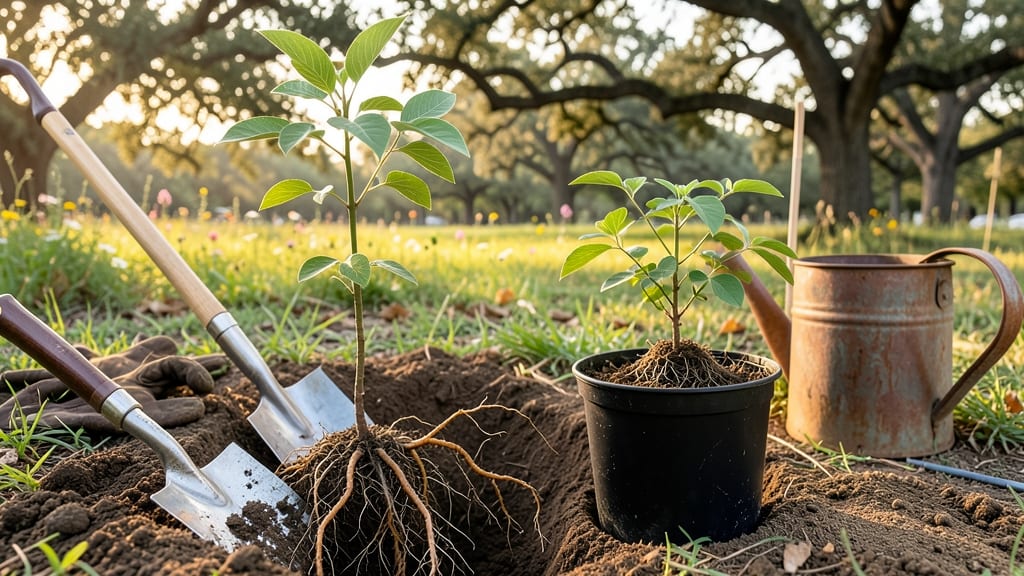
Timing your dogwood tree planting in Texas can mean the difference between a thriving 🌳 and a struggling sapling. The key window—late fall to early spring—aligns with cooler soil temperatures and avoids summer heat stress, but regional frost dates complicate things.
If you’re in North Texas (Zone 8a), aim for planting between November and early March to dodge late frosts that can damage tender roots. Meanwhile, gardeners in South Texas (Zone 10b) have a slightly longer window, but even there, summer planting risks drought stress.
The secret? Focus on soil temperature—not just calendar months.
I’ll break down the exact frost-free windows by Texas zone, including how to adjust for microclimates like urban heat islands or high desert areas. You’ll also discover how to prep your soil, water correctly, and care for your dogwood post-planting to ensure vibrant spring blooms every year.
Whether you’re a beginner or a seasoned gardener, these insights will help you plant your dogwood at the perfect moment—so you can enjoy its stunning flowers without the guesswork.
Texas dogwood planting zones: best months by frost dates
Texas spans USDA Zones 7–10, meaning your dogwood planting window varies dramatically from the Panhandle’s chilly winters to South Texas’s mild climate. The golden rule? Plant when soil temps hit 40–50°F—this ensures roots establish before summer heat arrives.
For most Texas gardeners, that’s November through March, but let’s break it down by zone to avoid costly mistakes.
In Zone 7 (North Texas), your last frost typically hits around January 15, so aim to plant by November 1 to give roots time to harden before winter.
Meanwhile, Zone 10 (South Texas) gardeners can plant as late as March 15—frost is rare, but summer drought is the bigger threat. Microclimates matter too: urban areas like Austin stay warmer than rural East Texas, so adjust accordingly.
Soil temperature is your best indicator, not just calendar dates. Use a soil thermometer (or the back of your hand—if it feels cool but not freezing, it’s ready). Dogwoods planted in too-warm soil (>60°F) risk root burn, while planting in frozen ground delays establishment. Balance is key!
Here’s your zone-by-zone planting guide, including ideal months, soil prep tips, and frost-free windows to maximize success:
| Texas Zone | Last Frost Date | Best Planting Window | Soil Temp Goal | Key Consideration |
|---|---|---|---|---|
| Zone 7 (North TX) | Jan 15 | Nov 1–Dec 15 | 40–50°F | Protect from late frosts with mulch |
| Zone 8 (Central TX) | Feb 1 | Nov 15–Feb 28 | 45–55°F | Urban heat islands delay frost |
| Zone 9 (South TX) | Feb 15 | Dec 1–March 15 | 50–60°F | Watch for summer drought stress |
| Zone 10 (Deep South TX) | Rare frost | Jan–March | 55–65°F | Prioritize shade and mulch |
For bare-root dogwoods, plant in winter (December–February) when soil is cool and moist. Container-grown trees, however, can handle spring planting (March–April) as long as you water deeply afterward. Pro tip: Amend your soil with compost to improve drainage—dogwoods hate soggy roots!
If you’re in a transition zone (e.g., Hill Country), err on the earlier side (November) to account for unpredictable frosts. And remember: Native Texas dogwoods like Roughleaf Dogwood (Cornus drummondii) handle heat better than Flowering Dogwood (Cornus florida), so adjust care accordingly.
More on varieties coming next!
After planting, mulch heavily (3–4 inches) to retain moisture and regulate soil temps. Avoid plastic mulch—it traps heat and can scorch roots. Stick with wood chips or pine straw for the best results. Your dogwood’s first year is critical, so don’t skip this step!
Finally, monitor your tree’s new growth in spring. If leaves appear yellow or wilted, it’s a sign of transplant shock—water more frequently and avoid fertilizing until roots establish. With the right timing, your dogwood will reward you with showstopping spring blooms for decades.
Ready to pick your planting date? Bookmark this guide and check your local Almanac frost dates before digging in. Your dogwood’s future starts now! 🌳
Signs your dogwood planting timing is perfect (or too late)
Planting your dogwood tree at the right time isn’t just about checking a calendar—it’s about reading your soil and climate cues. The best window for Texas is when the ground is cool but workable, and the tree is still dormant.
This usually means late fall or early spring, but how do you know for sure? Here’s what to watch for.
First, check your soil temperature. Dogwood roots thrive when soil is between 40°F and 60°F. Use a soil thermometer—if it’s warmer than 60°F, wait a few weeks.
Cold soil below 40°F can stunt root growth, so avoid planting in deep winter freezes. Moisture levels also matter: well-drained but damp soil is ideal. If your soil feels dry or waterlogged, hold off until conditions improve.
Next, observe your dogwood tree’s dormancy. Bare-root trees planted in winter are ideal because they’re already dormant. If you’re planting container-grown dogwoods, look for new leaf buds that haven’t yet swollen.
Swollen buds signal the tree is waking up and may stress if planted too early. Native Texas varieties like Cornus drummondii are more adaptable, but all dogwoods benefit from this timing.
🌱
⚠️ Common Mistakes to Avoid
- Planting in summer heat: Stress from high temps and drought weakens roots.
- Ignoring frost warnings: A late frost after planting can kill young shoots.
- Skipping soil prep: Compacted or poor soil delays root establishment.
- Overwatering at planting: Too much water can suffocate roots and cause rot.
Pro Tip: Mulch around your dogwood’s base to regulate soil temperature and retain moisture.
Timing isn’t just about the calendar—it’s about the microclimate of your yard. Urban areas can be 5–10°F warmer than rural spots, so adjust accordingly. If you’re in North Texas (Zone 8a), aim for late February to early March.
In South Texas (Zone 10a), early November to December works best. Always monitor local weather forecasts for unexpected frost alerts.
Finally, trust your dogwood’s natural rhythm. If you’ve planted too late and see yellowing leaves or stunted growth, don’t panic. With proper care—like deep watering and mulching—your tree can still recover.
But getting the timing right from the start sets your dogwood up for vibrant blooms and healthy growth for decades.
☀️