
Plants
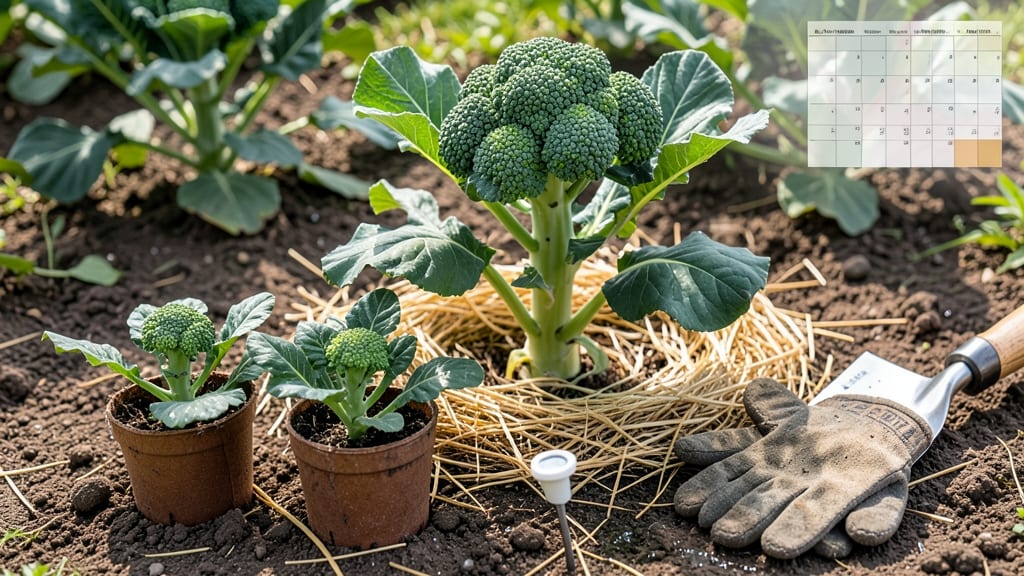
When to plant fall crops in Zone 8 is the difference between a thriving garden and a sad pile of bolted greens—because timing here isn’t just about the calendar, it’s about avoiding 3 PM heat waves that turn your kale into bitter salad. I’ve seen gardeners in my own Zone 8 neighborhood rush to plant broccoli in early August only to watch it bolt before frost, while others wait until late September and still get perfect harvests. The secret? Understanding your microclimate and crop-specific deadlines.
Fall gardening in Zone 8 gives you a second chance to grow 🌾 crops like spinach, carrots, and Brussels sprouts—but only if you plant them at the right moment. Too early, and your seedlings will stretch toward the sun like they’re auditioning for a horror movie.
Too late, and frost will turn your hard work into a sad, frozen memory. I’ll break down the exact windows for each crop type, so you can avoid these common mistakes and enjoy fresh harvests straight through winter.
What if your yard sits in an urban heat island or near a lake? Those factors can shift your planting dates by weeks. We’ll cover how to adjust for your specific microclimate, whether you’re in a high-altitude pocket of Zone 8 or a low-lying area where frost hits earlier.
Plus, I’ll share my go-to checklist for prepping your soil and seedlings so they’re ready to thrive when you pop them in the ground.
Ready to stop guessing and start growing? By the end of this guide, you’ll know exactly when to plant each fall crop in your Zone 8 garden—and how to keep them producing until the first frost.
No more wasted seeds, no more bitter greens, just a steady supply of homegrown goodness. Let’s get started.

Zone 8 fall planting deadlines by crop type (avoid bolting and frost damage)
Fall gardening in Zone 8 rewards patience—your broccoli, kale, and carrots won’t bolt from summer heat or freeze before harvest if you plant at the right time.
The key is understanding your last-frost date (typically mid-November) and adjusting for microclimates (urban areas stay warmer longer). Here’s your crop-by-crop schedule to beat the clock.
Start with heat-tolerant varieties like 'De Cicco' broccoli or 'Winterbor' kale—they handle late-summer heat better than standard types. For root crops, radishes mature in 30 days, while beets take 60 days. Plant them in succession every 2 weeks for continuous harvests.
Your planting window stretches from mid-August to early October, but the exact dates depend on the crop. Leafy greens like spinach and lettuce need cooler soil (60°F or below) to thrive, so wait until late August. Brassicas (broccoli, cabbage) can handle warmer soil (70°F) and go in early August.
Use this rule of thumb: Plant cool-season crops 4–6 weeks before your first frost.
In Zone 8, that’s roughly early October for fast growers (radishes, arugula) and mid-September for slower crops (broccoli, Brussels sprouts). Root vegetables like carrots and turnips need 8–10 weeks of growth, so start them by late August.
| Crop Type | Ideal Planting Window | Days to Harvest | Soil Temp (°F) | Notes |
|---|---|---|---|---|
| Leafy Greens (Spinach, Lettuce, Kale) | Late August–Early September | 30–60 days | 60–70°F | Succession plant every 2 weeks |
| Brassicas (Broccoli, Cabbage, Brussels Sprouts) | Early–Mid August | 60–90 days | 70–80°F | Choose heat-tolerant varieties |
| Root Vegetables (Carrots, Beets, Radishes) | Late August–Early September | 40–80 days | 65–75°F | Loosen soil to prevent forking |
| Alliums (Onions, Garlic, Leeks) | Mid–Late September | 90–120 days | 55–65°F | Plant sets for faster harvest |
| Peas (Snow, Sugar Snap, Shelling) | Mid–Late September | 60–70 days | 50–60°F | Needs trellis support |
For high-altitude Zone 8 areas (e.g., mountain regions), shift your timeline 2 weeks earlier. Cooler nights accelerate growth, so spinach and arugula might bolt faster. Test your soil temperature with a thermometer—leafy greens need 60°F, while root crops prefer 70°F.
Pro tip: Use row covers or cold frames to extend your harvest into December. These protect kale, collards, and car
How to adjust planting dates based on your Zone 8 microclimate (urban vs. rural)
Zone 8’s 1,200-mile stretch from the Gulf Coast to Southern California means your microclimate can shift planting deadlines by weeks. A rural valley might stay warm enough for late October sowings, while urban heat islands could push your last chance back to early September. Let’s break down how to calculate your precise window. Your local last-frost date is your North Star—but it’s not set in stone. Check the USDA Plant Hardiness Zone Map for your exact location, then adjust for these key factors:🌱 1. Elevation Adjustments: Every 1,000 feet higher adds 3–5°F cooler temps. High-altitude Zone 8 areas (like parts of Arizona or New Mexico) may need to plant 4–6 weeks earlier than coastal regions. Use this rule: subtract 1 week per 500 feet from your standard deadline.
🌱 2. Urban Heat Islands: Cities like Phoenix or San Diego can be 5–10°F warmer than rural areas just 10 miles away. If your garden sits in pavement or concrete, plant leafy greens 2 weeks later—they’ll tolerate the heat longer.
For brassicas (broccoli, cabbage), stick to the early side of your window.
🌱 3. Proximity to Water: Gardens near lakes or oceans enjoy cooler, more stable temps. If you’re within 5 miles of a large body of water, extend your planting window by 1–2 weeks for heat-sensitive crops like lettuce.
Conversely, inland areas may need to plant earlier to avoid summer heat stress.
🌱 4. Soil Warmth: Use a soil thermometer to confirm readiness. Ideal temps for fall crops range from 50–70°F. If your soil runs hotter than 75°F in late summer, wait until mid-August to sow seeds or risk bolting.
Cool-season crops like spinach or peas need soil below 80°F to thrive.
🌱 5.
Microclimate Tools: Leverage these free resources to refine your timing: - National Oceanic and Atmospheric Administration (NOAA) Frost Maps: [https://www.ncdc.noaa.gov](https://www.ncdc.noaa.gov) - Local Cooperative Extension Service: Search “[Your County] Extension” for hyper-local advice. - Planting Date Calculators: Try the Johnny’s Selected Seeds tool ([johnnyseeds.com](https://www.johnnyseeds.com))—input your ZIP code for crop-specific deadlines.
🌱 Pro Tip: Test your microclimate’s tolerance by planting a trial batch of heat-tolerant varieties, like ‘Black Seeded Simpson’ lettuce or ‘Winterbor’ kale, 2 weeks later than your standard deadline. If they survive, you’ve found your new cutoff!
🌱 Example Scenarios:
- Urban Phoenix: Plant leafy greens by August 15 (heat island effect).
- Coastal San Diego: Extend to September 10 for ocean-cooled soil.
- High-Desert Tucson: Start by July 20 due to elevation and dry heat.
🌱 Final Check: Monitor your garden’s microclimate shifts year-round. A 5-minute daily walk at dawn and dusk will teach you more than any app—notice where frost lingers longest or where heat pools. Adjust your next year’s schedule accordingly!