
Planting
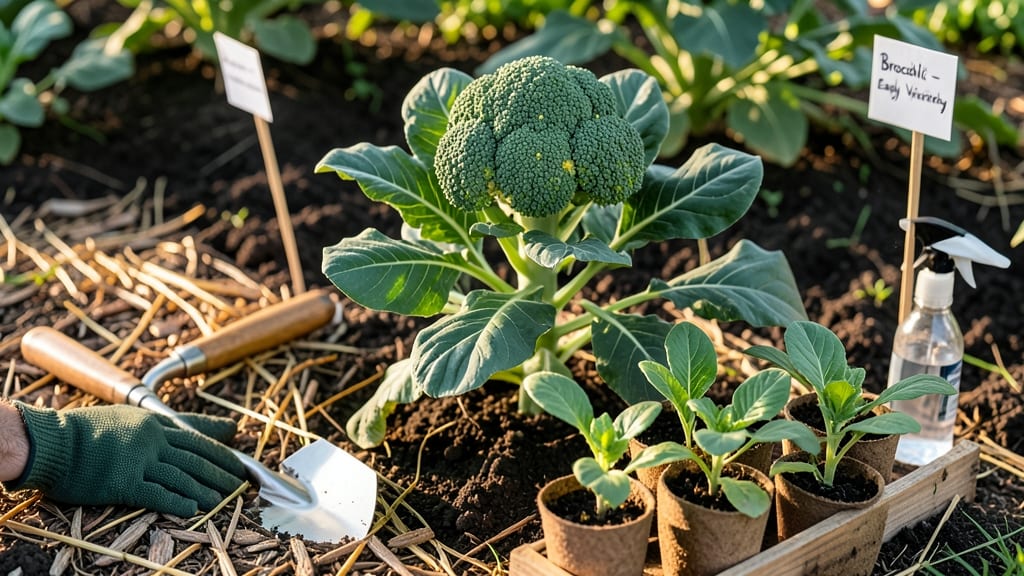
Planting a fall garden in Alabama isn’t just about beating the heat—it’s about working with it to grow your most flavorful harvests before winter sets in. With summer’s lingering warmth and unpredictable frost dates, timing is everything, and getting it wrong could mean wasted seeds or stunted plants.
Most Alabama gardeners in zones 7a-8b start their fall planting between late July and early September, but the real secret lies in choosing heat-tolerant crops like okra and sweet potatoes while planning for cooler-season favorites like kale and broccoli.
The key? Planting 6-8 weeks before your first frost—usually around November 1—to ensure a steady supply of fresh produce from October through December.
If you’ve ever stared at your garden bed in September wondering whether to plant now or wait, you’re not alone. The answer depends on your county’s frost dates, soil prep, and even the varieties you pick.
I’ll break down the exact steps to time your planting perfectly, so you can avoid common mistakes and enjoy a bountiful fall harvest—no guesswork required.
Ready to turn those late-summer days into a productive garden? Let’s dive into the heat-tolerant crops that thrive in Alabama’s climate, how to calculate your frost dates, and the simple tricks that’ll keep your fall garden flourishing until winter arrives.
Alabama fall planting timeline: heat-tolerant crops by month
Alabama’s fall planting window starts earlier than you might think—late July is prime time for heat-tolerant crops like okra and sweet potatoes. The key is planting 6-8 weeks before your county’s first frost, which typically lands between mid-October and November 1.
This timing lets crops mature before winter chills set in.
Northern Alabama (USDA Zone 7a) has earlier frost dates than southern counties (Zone 8b), so adjust your schedule accordingly. For example, Huntsville gardeners should start by late July, while Mobile gardeners have until early September for warm-season crops.
Here’s how to align your planting with Alabama’s monthly temperature shifts. July and August are for heat-loving crops, while September focuses on cool-season staples like kale and carrots. Miss these windows, and you risk bolting greens or stunted growth from summer’s lingering heat.
Alabama’s climate zones create micro-climates where northern counties (like Madison or Marshall) freeze earlier than southern ones (like Baldwin or Mobile). For example, Huntsville’s first frost often hits by October 20, while Mobile’s may wait until November 15.
Use the USDA Plant Hardiness Zone Map to pinpoint your county’s specifics.
Pro tip: Succession planting is your best friend in Alabama’s fall garden. Sow fast-maturing crops like radishes every 2 weeks in September to ensure a steady harvest before frost. This tactic works especially well for leafy greens and root vegetables, which bolt quickly in warm soil.
Don’t overlook warm-season crops like tomatoes and peppers. While they won’t thrive in summer’s heat, planting them in late July or early August gives them time to mature before cooler temps arrive. Choose early-maturing varieties like ‘Celebrity’ tomatoes or ‘Early Girl’ peppers for reliable fall harvests.
Alabama’s soil composition—often heavy clay—can slow germination. Amend beds with compost or aged manure before planting to improve drainage and nutrient availability.
A soil test (available through your local Extension office) will reveal if your soil needs lime (to raise pH) or sulfur (to lower pH) for optimal growth.
Watering strategies shift as fall progresses. In August and September, deep water every 2-3 days to encourage root growth. By October, reduce frequency to every 3-5 days as cooler air reduces evaporation.
Always water in the morning to prevent fungal diseases like powdery mildew, which thrives in damp conditions.
Mark your calendar for October 15, the unofficial start of Alabama’s fall harvest season. By then, your collards, carrots, and turnips should be ready to pull.
If frost threatens before harvest, cover crops with lightweight row covers or harvest and store produce indoors to extend its shelf life.
How to calculate your Alabama county’s frost dates (and why it matters)
Alabama’s first frost dates can vary by 500+ miles from north to south—so planting blindly risks losing your entire garden. In Zone 7a (north Alabama), frost often hits by October 20th, while Zone 8b (south Alabama) may see frost as late as December 1st.
Without knowing your exact county’s data, you might plant kale too early (it bolts in heat) or tomatoes too late (they won’t ripen before frost).
Start by checking the USDA Plant Hardiness Zone Map for your county—this gives a baseline. But for fall planting precision, dig deeper into local extension service records (like Auburn University’s data for north Alabama or UGA’s for southern counties).
These reports track average first frost dates with far more accuracy than general zone info.
🚨 CRITICAL WARNING: Relying on a neighbor’s frost date can backfire. Montgomery (Zone 8a) and Huntsville (Zone 7a) are only 120 miles apart but have 3-4 week differences in frost timing. Use county-specific data—not just zip code averages.
⚠️ Common Mistake: Planting by "Rule of Thumb"
Many gardeners assume "plant by September 1st" works statewide—but southern Alabama’s heat lingers until October, while north Alabama’s nights dip into the 40s by late September. This misalignment causes 50% of fall garden failures in Alabama.
✅ Solution: Use the "6-8 week rule"—plant heat-tolerant crops (collards, okra) 8 weeks before your frost date, and cool-season crops (kale, carrots) 6 weeks before.
Once you’ve got your frost date, work backwards to schedule planting. For example, if your county’s first frost is November 15th, plant bush beans (50-day harvest) by September 25th and spinach (40-day harvest) by October 15th.
Pro tip: Use Alabama A&M’s frost calendar for county-level breakdowns—it’s free and updated annually.
Extend your season with row covers (adds 2-4 weeks) or cold frames (extends until December). For example, lettuce planted in late August under a row cover in Zone 7a can yield through November—but without protection, it’ll bolt by October 10th.
Test small batches of frost-sensitive crops (like radishes or turnips) under covers to see how far you can push your limits.
Track your own frost dates for 3 years to build a local dataset. Note when morning temps drop below 32°F and when frost actually forms—these can differ by 1-2 weeks.
Share your findings with local gardening groups (Facebook or Extension offices) to refine community-wide planting guides. Over time, you’ll outperform generic frost charts and harvest longer into fall.
Remember: Frost dates aren’t just about survival—they’re about flavor. Carrots and kale develop sweeter when exposed to light frosts, but tomatoes and peppers need full heat to ripen. Plan your fall harvest timeline around these quirks, not just frost deadlines.