
Plants
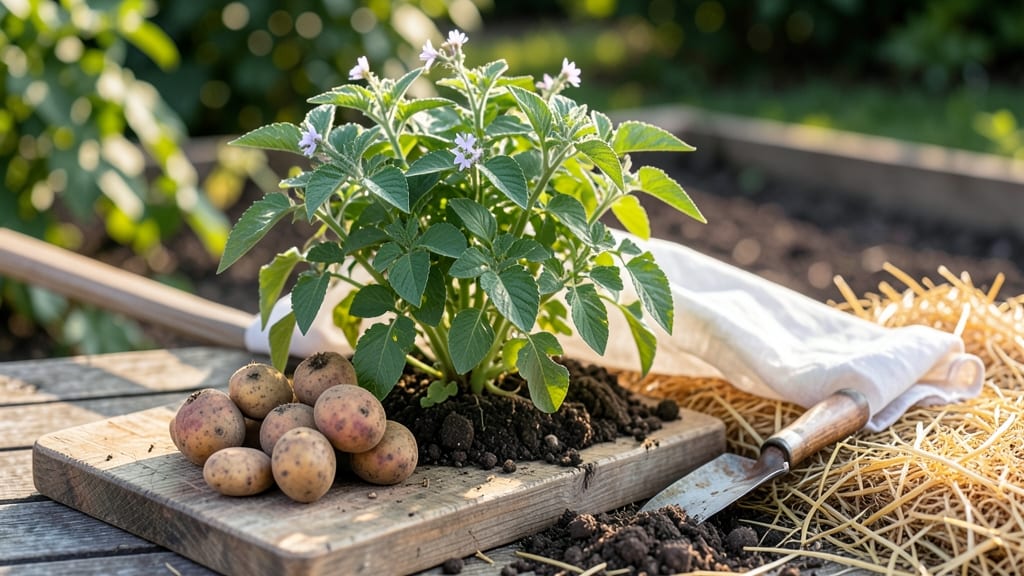
Planting fall potatoes in Arkansas isn’t just about grabbing a seed bag—it’s about mastering the 60-70°F soil sweet spot while dodging early frost or sweltering heat that’ll turn your harvest into a gamble. In Zone 7a, timing is everything, and getting it wrong means either soggy tubers or frost-nipped dreams.
I’ve watched too many Arkansas gardeners scratch their heads after planting too early, only to see their potatoes rot in the summer humidity or too late, where frost steals their reward.
The key? Understanding your local frost dates and adjusting for Arkansas’s microclimates—whether you’re in the cooler hills of the Ozarks or the warmer valleys near Little Rock.
This isn’t just guesswork—it’s science. We’ll break down the exact weeks to plant based on soil temperature, not just a calendar date, so you can avoid the two biggest mistakes: heat stress and frost damage. Ready to turn your garden into a potato powerhouse?
Let’s dive into the step-by-step guide that’ll have you harvesting perfect, frost-resistant potatoes—no more second-guessing, just a bountiful fall harvest. Your spud future starts now.
Fall potato planting timeline in Arkansas: soil temperature & frost date math
Timing your fall potato planting in Arkansas (Zone 7a) means balancing soil warmth with frost risk. The sweet spot? Plant when daytime temps hover around 75-80°F but nights cool to 60-65°F—this signals tubers will form without rotting.
In Arkansas, this typically lands in mid-to-late August, but let’s break it down by the numbers.
Arkansas’ average first frost for Zone 7a usually arrives between November 15-30, giving you a 90-110 day window to harvest.
Since most fall potato varieties (like Yukon Gold or Red Pontiac) mature in 70-90 days, you’ll need to plant early enough to avoid frost but not so early that the soil stays too hot.
Here’s the critical math: Subtract your chosen variety’s days to maturity from your first frost date, then add 10-14 days for buffer. For example, a 90-day variety with a November 20 frost means planting by August 10-15.
Miss this window, and you risk frost-damaged tubers or stunted growth.
🌱Pro Tip: Use a soil thermometer—potatoes thrive when soil temps hit 60-70°F. In Arkansas’ humid climate, cooler soil also reduces disease pressure from late-summer fungi.
| Stage | Action | Arkansas Timeline |
|---|---|---|
| Soil Prep | Test pH (5.0-6.5), add compost | Early July |
| Planting | Seed potatoes 4" deep, 12" apart | Mid-to-late August |
| Hilling | Add soil to stems every 2-3 weeks | September-October |
| Harvest | Dig when foliage yellows (before frost) | Late October-Early November |
Arkansas’ humidity and variable weather add complexity. If your August is unusually hot (like 2023’s 100°F+ days), delay planting until soil cools slightly—even 85°F soil can stress young tubers. Conversely, if rain delays prep, late August is still viable for faster-maturing varieties like Kennebec (70 days to harvest).
Watch for local frost forecasts—Arkansas’ Ozark Mountains (e.g., Fayetteville) frost earlier than Little Rock’s urban heat islands. Adjust your planting by 1-2 weeks north-to-south. For example, Bentonville gardeners might plant by August 1, while Fort Smith can wait until August 15.
🌡️Key Alert: If a heatwave hits after planting, mulch heavily with straw to keep soil temps stable. Potatoes are frost-tender but also heat-sensitive—balancing both is your #1 priority.
For maximum yield, aim to harvest before consistent 32°F temps. In Arkansas, this means digging by November 1 in most areas.
Store cured potatoes in a cool (40-50°F), dark place to extend shelf life through winter. Yukon Golds store longer than Russets, so factor that into your variety choice.
📅Remember: Arkansas’ fall planting window is narrow—don’t wait for "perfect" conditions. Soil warmth > calendar dates every time. Grab your thermometer, check those temps, and plant when the stars (and soil) align!
How to adjust planting dates for Arkansas microclimates (north vs. south regions)
Arkansas’ diverse geography means your fall potato planting date in Northwest Arkansas (like Fayetteville) won’t match Southeast Arkansas (like Jonesboro). The Ozark Mountains create cooler microclimates, while urban areas like Little Rock trap heat. Even a 10-mile difference can shift your ideal planting window by 1-2 weeks—critical for frost-sensitive varieties like Yukon Gold or Red LaSoda. Let’s break down how to adjust your schedule based on Arkansas’ 3 key regions. Most gardeners in Zone 7a should aim for mid-August to early September, but local conditions demand flexibility. For example, Mountain Home’s higher elevation (1,000+ ft) may need 2 weeks earlier than El Dorado’s flatlands. Use your local cooperative extension office’s frost data as your baseline—then tweak by altitude and urban heat islands.| Region | Key Climate Factor | Ideal Planting Window | Adjustment Tip |
|---|---|---|---|
| Northwest (Fayetteville, Rogers) | Cooler nights, higher elevation | Late August – Early September | Plant earlier if soil warms to 60°F by mid-August |
| Central (Little Rock, Pine Bluff) | Urban heat islands, moderate elevation | Mid-August – Mid-September | Monitor soil temp—delay if >75°F for 3+ days |
| Southeast (Jonesboro, El Dorado) | Warmer soils, longer growing season | Early August – Late September | Prioritize fast-maturing varieties (e.g., Red Norland) |
Pro tip: Use row covers if planting near your frost date—they can extend your growing season by 2-3 weeks without sacrificing tuber quality. Just remove them 2 weeks before harvest to harden the skins naturally.
🌱