Plants
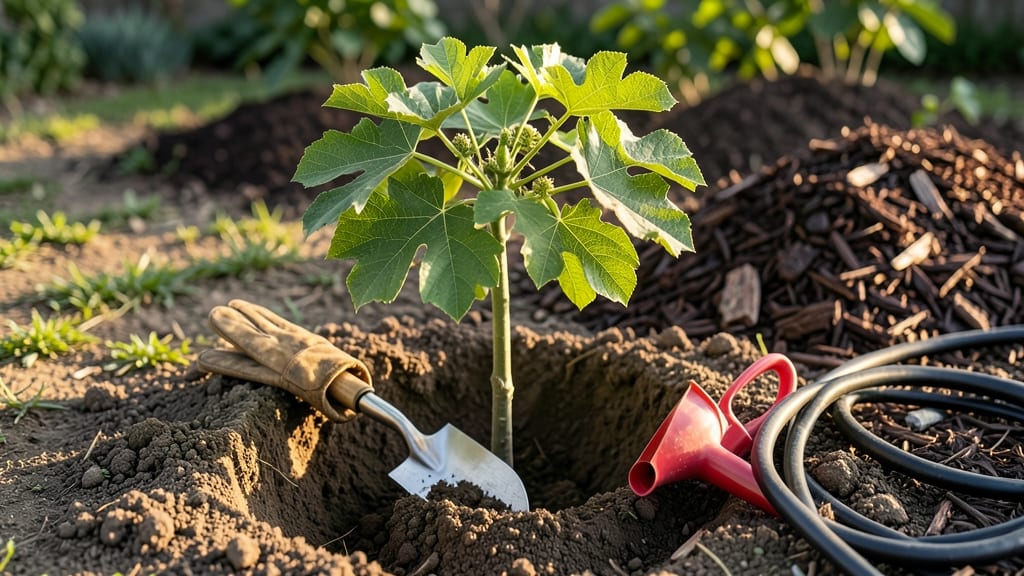
Timing when to plant a fig tree in the ground just right could mean the difference between a lush, fruit-bearing tree and one that struggles—or worse, dies—from a surprise frost. 🍈 With USDA Zone 6a and beyond in mind, the window between April and May is your golden opportunity to get it right, but regional quirks (like Southern California’s mild winters vs. Georgia’s late frosts) make this more nuanced than you’d think.
Most gardeners assume "spring" is enough, but the last frost date is the real game-changer—planting too early in cooler zones risks stunted growth or frost damage. Meanwhile, in warmer climates, the heat can stress young roots if you wait too long.
I’ll break down exactly how to sync your planting with your local climate, whether you’re prepping ground soil or transitioning a container-grown sapling.
You’ll also learn the subtle cues to watch for—like soil temperature thresholds and leaf color shifts—that tell you it’s finally safe to dig. No more guessing: just a clear, actionable timeline tailored to where you live. Let’s get your fig tree off to the best possible start.
From Zone 7’s early April kickoff to Zone 11’s extended window, we’ll cover everything you need to know to avoid common pitfalls. Whether you’re a first-time planter or a seasoned grower, these insights will help you plant with confidence—and reap the rewards come harvest season.
Best months to plant fig trees by USDA hardiness Zone
Fig trees thrive when planted during their optimal growing window, which varies dramatically by USDA hardiness zone. In Zones 9-11, where frost is rare, you can plant year-round—but spring (March-May) is ideal for maximum root establishment.
For Zones 7-8, timing is critical to avoid frost damage to tender new growth.
Your last frost date is the golden rule: plant fig trees 4-6 weeks after the final frost in your area. In Southern California (Zone 10), this might be February-March, while in Georgia (Zone 8), wait until mid-April to May.
Container-grown figs can handle slightly earlier planting, but bare-root trees need warmer soil.
Here’s how to align your planting with your local climate for frost-free success:
| USDA Zone | Best Planting Window | Key Consideration | Soil Temp Threshold |
|---|---|---|---|
| Zones 9-11 | Year-round (best: Feb-Apr) | Minimal frost risk; prioritize well-draining soil. | ≥ 60°F |
| Zone 8 | April-May (after last frost) | Frost can kill new growth; mulch heavily. | ≥ 65°F |
| Zone 7 | May-June (soil warm) | Plant container-grown trees earlier; protect from late frosts. | ≥ 70°F |
| Zone 6 (with winter protection) | June-July (late season) | Use dwarf varieties; wrap trunk in burlap for winter. | ≥ 75°F |
For Zones 9-11, the earliest planting (February) gives fig trees 6-8 weeks to establish roots before summer heat arrives. In cooler zones (7-8), delaying until after May 15th reduces frost risk. Use a soil thermometer to confirm 60°F+ soil temps—fig roots struggle in cold ground.
Regional microclimates matter too. In desert areas (e.g., Arizona), plant in late winter to avoid 110°F+ summer stress. Coastal areas with milder winters (e.g., San Diego) can plant as early as January, but avoid rainy seasons to prevent root rot.
Pro tip: If your last frost date is April 1st, aim for a May 1st planting. This 6-week buffer ensures roots adapt before summer’s peak. For container-grown figs, you can push planting 2-3 weeks earlier since their roots are less sensitive to cold.
Always check your local agricultural extension office for hyper-local frost data. For example, Atlanta (Zone 8a) may have later frosts than Savannah (Zone 8b), shifting your ideal window by 2-3 weeks. A 5-minute call can save your $50 tree from frost damage.
Once you’ve nailed the planting month, focus on soil prep: figs hate soggy roots. Amend clay soil with compost and sand to improve drainage.
In sandy soils, mix in peat moss to retain moisture. pH 6.0-7.0 is ideal—test your soil 2 weeks before planting to adjust with lime or sulfur.
Remember: Container-grown figs outperform bare-root trees in cooler zones because their roots are already established. If you’re in Zone 7 or colder, opt for dwarf varieties like 'Little Miss Figgy'—they’re hardier and fruit faster.
Now that you’ve got your planting window locked in, your next step is pre-planting prep. We’ll cover acclimatizing nursery trees, root inspection tricks, and soil amendments in the next section—so your fig tree hits the ground running.
Best months to plant fig trees by USDA hardiness Zone
Fig trees thrive when planted during their optimal frost-free window, but the best months vary dramatically depending on your USDA hardiness zone. In Zones 9-11, you can plant year-round—just avoid extreme heat waves that stress young roots.
For Zones 7-8, focus on spring planting after last frost or early fall before temperatures dip below 40°F.
Southern California gardeners (Zone 10) enjoy a 12-month planting window, while Georgia growers (Zone 8) must wait until April or late September. Timing isn’t just about frost—it’s also about soil temperature. Roots need 60°F+ soil to establish quickly, which typically aligns with late spring in cooler climates.
🌱 Fig Tree Planting Schedule by USDA Zone
| Zone | Ideal Planting Window | Key Consideration | Soil Temp Threshold |
|---|---|---|---|
| 7-8 | April–May or Sept–Oct | Avoid frost risk; last frost date critical | 60°F+ |
| 9 | Oct–March (avoid summer) | Plant in cooler months; mulch heavily | 55°F+ |
| 10-11 | Year-round (best: fall/spring) | No frost risk; prioritize soil moisture | 65°F+ |
💡 Pro Tip: Use a soil thermometer to confirm readiness—fig roots won’t establish in cold soil.
If you’re in Zone 7 or cooler, consider container planting for flexibility—you can move potted figs indoors during winter. For in-ground planting, amend your soil with compost and grit to improve drainage, as fig trees hate soggy roots.
In Zone 8+, prioritize afternoon shade for young trees during summer’s peak heat.
Missed the spring window? Fall planting works too—just ensure your tree gets 6+ weeks of warm weather before winter. In Zone 9, plant in October to establish roots before summer heat returns. Always water deeply after planting to reduce transplant shock, regardless of season.
Regional microclimates matter: Coastal areas (like Southern California) stay warmer longer, while inland valleys (like Georgia) may need earlier spring planting. Check your local frost dates—they’re the ultimate planting deadline for Zones 7-8.
Remember: Fig trees despise cold soil. If your last frost date is April 15, wait until May 1 to plant—giving roots 4-6 weeks of warm soil to settle in before summer’s heat arrives. Patience pays off with faster fruit production!