
Trees
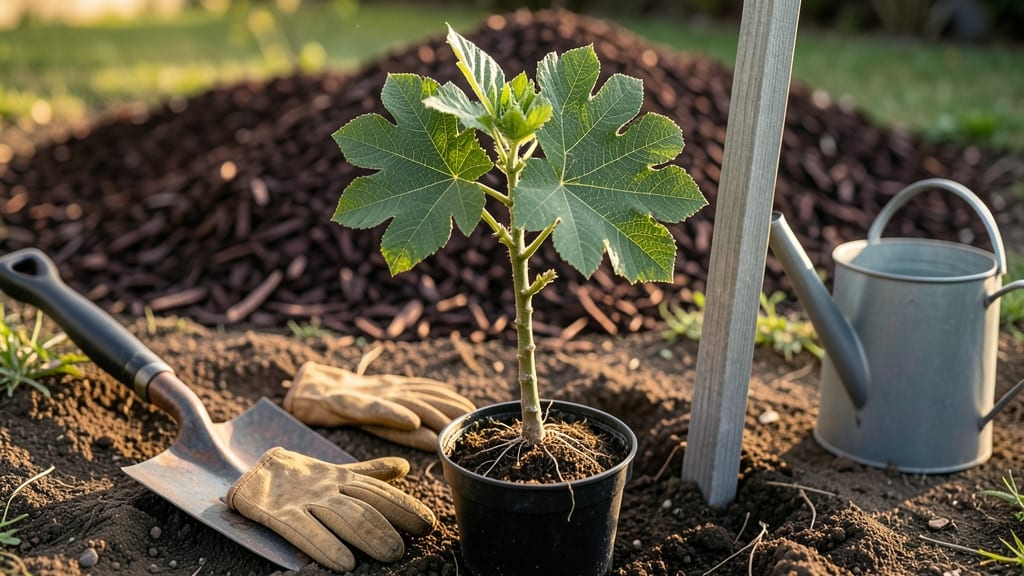
If you’ve ever dreamed of plucking sweet, sun-ripened figs straight from your North Carolina yard, timing is everything—plant your 🍈 fig tree too early, and frost will nip it in the bud. Too late, and your tree might struggle to establish roots before winter sets in.
The secret to success lies in matching your planting schedule to NC’s unique climate zones, where USDA 7a-8b means two perfect windows: spring’s gentle warmth or fall’s cooling breeze.
Most gardeners assume spring is the only time to plant fig trees, but fall actually offers a hidden advantage—cooler temperatures reduce stress on young roots.
Whether you’re prepping for late March or aiming for September-October, understanding your local frost dates (typically March 15 and November 15) is the key to avoiding costly mistakes.
I’ll break down exactly when to dig in, whether you’re planting in-ground or in containers, so your tree thrives from day one.
North Carolina’s varied microclimates—from coastal breezes to inland heat—mean your neighbors’ fig trees might not follow the same schedule as yours.
Some varieties, like the hardy ‘Celeste’ or ‘Brown Turkey,’ handle NC’s humidity better than others, and knowing which to pick can mean the difference between a bountiful harvest and a sad, sparse branch. Let’s dive into the optimal planting calendar tailored to your corner of the state.
By the end of this guide, you’ll know not just when to plant your fig tree, but how to set it up for years of lush growth and juicy rewards. No more guessing games—just science-backed timing that turns your backyard into a fig-filled paradise. Ready to get started?
North Carolina heat zones: best planting months by region for fig trees
North Carolina spans USDA hardiness zones 6a through 8b, meaning fig trees thrive in most regions—but timing matters. Zone 6a gardeners face the biggest frost risks, while Zone 8b growers can extend planting windows.
Knowing your zone ensures your fig tree survives its first winter and grows strong enough to fruit.
Fig trees are tender perennials that need warm soil to establish roots. Planting too early in Zone 6a risks frost damage, while Zone 7b-8b gardeners can plant as early as late February. Below, I’ll break down the ideal planting windows by region, including soil prep tips and frost-free dates.
| USDA Zone | Last Frost Date | Ideal Planting Window | Soil Prep Time | Fall Planting Window |
|---|---|---|---|---|
| 6a (Mountains: Boone, Asheville) | April 15 | May 1–June 15 (after soil warms to 60°F) | March–April (amend soil 4–6 weeks before planting) | September 15–October 15 (container-grown only) |
| 7a (Piedmont: Greensboro, Raleigh) | March 25 | April 1–May 15 (bare-root) or June 1–July 15 (container) | February–March (add compost and sand for drainage) | September 1–October 10 |
| 7b (Coastal Plains: Fayetteville, Wilmington) | March 10 | March 15–April 30 (earliest for Zone 7b) | January–February (test soil pH, adjust if needed) | August 15–September 30 |
| 8a (Outer Banks, Eastern NC) | February 28 | February 15–March 31 (or September–October for fall) | December–January (light soil amendments) | July 15–August 31 (container-grown only) |
| 8b (Southeast NC: Lumberton, Robeson) | February 15 | January 15–March 15 (longest window) | November–December (minimal prep needed) | June 1–July 15 (or year-round in containers) |
🌱 Pro Tip: Use mulch (3–4 inches) after planting to protect roots from temperature swings.
In Zone 6a, I recommend waiting until after May 1 to plant, even if soil feels warm. A late frost in April can kill young roots. For Zone 8b, you can plant as early as January if using container-grown trees, but bare-root saplings need warmer soil.
Soil temperature is critical—fig trees won’t thrive if planted in cold soil. Use a soil thermometer to confirm temps are at least 60°F before planting. In Zone 7a, this usually aligns with mid-April, while Zone 7b can start as early as late March.
For fall planting, aim for 6–8 weeks before your first frost. This gives roots time to establish before winter. In Zone 6a, that’s mid-September; in Zone 8b, you can plant until November. Container-grown trees handle fall planting better than bare-root saplings.
Microclimates matter! Coastal areas like Wilmington (Zone 8a) have milder winters, while inland Piedmont (Zone 7a) can drop below freezing earlier. If you’re near a large body of water or in a valley, expect 2–3 weeks later frost dates than official averages.
Choose cold-hardy varieties like 'Celeste' or 'Brown Turkey' for Zone 6a, while Zone 8b gardeners can try 'Black Mission' or 'Violette de Bordeaux'. Variety selection impacts your planting window—some figs need warmer microclimates to fruit reliably.
Always acclimate container-grown trees before planting. Harden them off by placing outside for 2–3 hours daily for 1–2 weeks before transplanting. This reduces shock and improves survival rates, especially in Zone 6a where winters are harsher.
🌿 Key Takeaway: Plant fig trees in NC between late March and May (spring) or September–October
North Carolina heat zones: best planting months by region for fig trees
North Carolina’s USDA zones 7a-8b create two distinct planting windows for fig trees: spring’s gentle warmth and fall’s cooling transition. In Zone 7a (western mountains), where frost lingers until April 15, aim for late April to early May planting.
Meanwhile, Zone 8b (coastal areas) enjoys earlier last frosts around March 15, allowing planting as early as late February.
Fall planting (September-October) works across all zones because cooler temps reduce transplant shock. However, in Zone 7a, avoid planting after October 15—roots need 4-6 weeks to establish before winter dormancy. Coastal areas can extend fall planting to early November thanks to milder winters.
| USDA Zone | Last Frost | Best Spring Planting | Best Fall Planting | Soil Prep Time |
|---|---|---|---|---|
| 7a (Mountains) | April 15 | Late April-May | September 15-October 15 | March-April |
| 7b (Piedmont) | March 30 | Late March-April | September 1-October 1 | February-March |
| 8a (Coastal) | March 15 | Late February-March | September 15-November 1 | January-February |
| 8b (Outer Banks) | February 28 | February-March | October 1-November 15 | January-February |
For container growing, adjust timing by 2-4 weeks earlier than in-ground planting. Containers warm up faster in spring and cool down quicker in fall, giving you more flexibility. Just ensure your pots have drainage holes—fig trees hate soggy roots and will suffer in waterlogged soil.
Pro tip: Check your local Cooperative Extension Service for precise frost dates. For example, Asheville’s Zone 7a often has later frosts than Raleigh’s Zone 7b, so don’t rush planting in the mountains.
A quick phone call to your county office can save your fig tree from a frost-induced demise.
Remember, fig trees establish roots quickly but need consistent moisture during their first 60 days after planting. Mulch heavily (3-4 inches) to retain soil moisture and regulate temperature—this is especially critical in Zone 8b’s hot summers where evaporation rates are high.
By matching your planting schedule to your specific heat zone, you’ll give your fig tree the best chance to thrive. Next, we’ll walk through the exact steps for both spring and fall planting, including how to harden off nursery plants and prepare your site for maximum success.