
Flowers
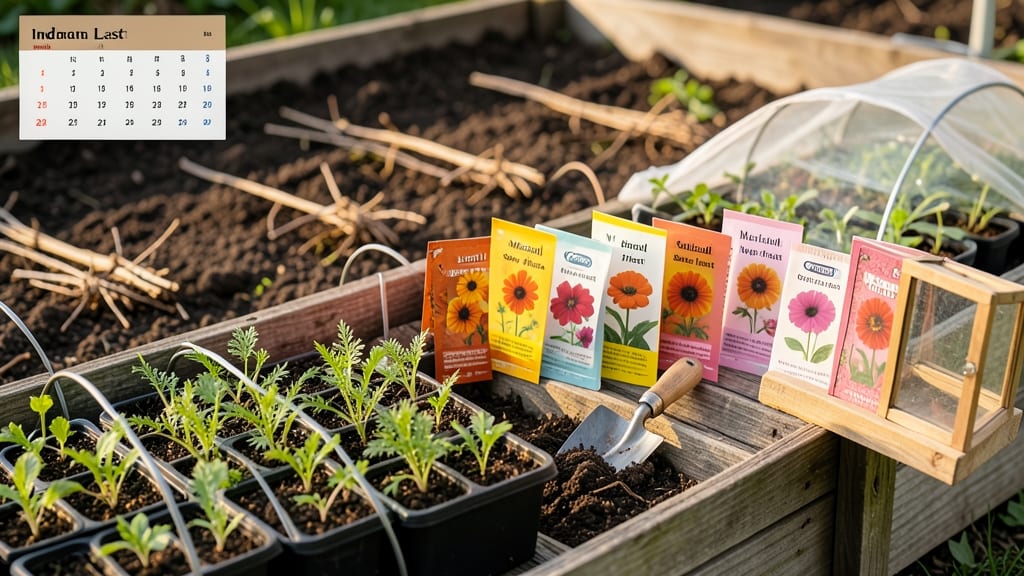
When to plant flower seeds in Indiana can make all the difference between a garden bursting with color and a season of disappointment. With Zone 5b-6b frost dates that shift yearly, knowing exactly when to plant is the key to vibrant blooms from spring through fall.
Indiana gardeners face a unique challenge: early spring frosts can nip delicate seedlings in the bud, while late summer heat can stress tender plants. But don’t worry—mastering these seasonal windows ensures your 🌸 flower seeds thrive regardless of Mother Nature’s surprises.
In this guide, I’ll break down the exact planting deadlines for cool-season and warm-season flowers, plus how to adjust for Indiana’s unpredictable weather. Whether you’re sowing marigolds in March or cosmos in July, you’ll learn the precise moments to plant for maximum blooms.
Ready to transform your garden into a nonstop floral show? Let’s dive into the best months to plant, soil prep tips, and pro strategies to beat Indiana’s climate curveballs—so you can enjoy flowers from spring to frost.
Indiana flower seed planting deadlines by season (Zone 5-6 guide)
Indiana’s Zone 5-6 climate means flower seeds must be planted at precise times to avoid frost damage or missed blooms. The last average frost date in most of Indiana falls around mid-April, while the first frost typically arrives in mid-October.
These deadlines create two primary planting windows: early spring (March-April) and late summer (July-August).
For cool-season flowers like pansies and calendula, I start seeds indoors in February to transplant outdoors by late March. Warm-season favorites like zinnias and sunflowers, however, need to wait until after the last frost—usually mid-April to early May—when soil temperatures consistently stay above 50°F (10°C).
Northern Indiana (Zone 5b) has slightly earlier frost dates than southern Indiana (Zone 6b), so adjust your timeline by 1-2 weeks if you’re near the Ohio border.
Urban areas like Indianapolis may experience microclimates with later frosts, so I always check local weather reports or use a soil thermometer for accuracy.
Here’s my seasonal planting timeline for Indiana gardeners, broken down by flower type and critical deadlines:
🌱 Indiana Flower Seed Planting Deadlines
| Season | Planting Window | Key Flowers | Soil Temp Requirement | Deadline Notes |
|---|---|---|---|---|
| Early Spring | February (indoors) / March-April (outdoors) | Pansies, Snapdragons, Calendula, Sweet Alyssum | 40-50°F (4-10°C) | Plant 6-8 weeks before last frost for transplants. |
| Late Spring | April-May (after last frost) | Zinnias, Sunflowers, Marigolds, Cosmos | 50-60°F (10-15°C) | Direct-sow after soil warms; cover seedlings if frost threatens. |
| Summer | July-August | Cosmos, Bachelor’s Buttons, Morning Glories | 60-70°F (15-21°C) | Extend season for fall blooms; sow 8-10 weeks before first frost. |
| Fall | September (bulbs only) | Tulips, Daffodils, Crocus | 50-55°F (10-13°C) | Plant bulbs 6-8 weeks before ground freezes for spring blooms. |
My top tip for Indiana gardeners: Use row covers or a cold frame to extend the spring season by 2-3 weeks. This lets me plant hardy annuals like sweet peas in early March, giving them a head start before the last frost.
Just remove covers once flowers appear to prevent overheating.
For summer sowing, I prioritize heat-tolerant varieties like cosmos and zinnias, which thrive in Indiana’s humid summers. These flowers self-seed easily, so I often let a few mature and scatter seeds naturally for next year’s garden.
Always water deeply after planting to encourage root growth in the hot, dry conditions of July and August.
Fall planting is limited to bulbs and biennials, but I make an exception for pansies and violas, which handle light frosts. These cool-season champions bloom from September through December, adding color when most gardens go dormant. Plant them in late August to early September for best results.
Remember: Indiana’s unpredictable weather means deadlines aren’t set in stone. I always keep a backup batch of seeds ready to replant if late frosts or heatwaves strike. Next, I’ll share my go-to flower varieties for each planting window—stay tuned!
Best flowers to plant by seed starting month in Indiana
Indiana’s Zone 5-6 climate lets you grow stunning flowers year-round, but timing matters. Start cool-season flowers like pansies and snapdragons indoors in February for early spring blooms. Warm-season favorites such as marigolds and zinnias thrive when sown directly in late April to May, after the last frost.
For fall color, sow cosmos and sunflowers in July—they’ll bloom until frost. Bulbs like tulips and daffodils need planting in October for next spring’s showstoppers. Each month offers unique opportunities to extend your garden’s beauty.
- 🌱 February: Start pansies, snapdragons indoors (6-8 weeks before last frost)
- 🌱 March: Direct-sow calendula, sweet peas (hardy cool-season flowers)
- 🌱 April (after frost): Plant marigolds, cosmos, zinnias (warm-season stars)
- 🌱 July: Sow sunflowers, black-eyed Susans for fall blooms
- 🌱 October: Plant tulip bulbs, crocus for spring color
Pro tip: Use a soil thermometer to confirm 50°F soil temps for warm-season seeds. In northern Indiana, wait until May 1 to avoid late frosts. Southern Indiana’s milder climate lets you plant 2 weeks earlier—adjust based on your microclimate.
For longer bloom seasons, stagger plantings every 2 weeks in May and July. This ensures continuous color from May through October. My favorite low-maintenance pick? Zinnias—they self-seed and thrive in Indiana’s heat.
Don’t forget perennials like coneflowers and bee balm. Sow their seeds in late summer (August) for established roots before winter. These hardy plants reward patience with years of blooms and fewer replanting chores.
Indiana’s 165 frost-free days create a perfect window for seasonal succession planting. By rotating flowers monthly, you’ll enjoy nonstop color from April to October—no boring garden beds here! 🌼