
Flowers
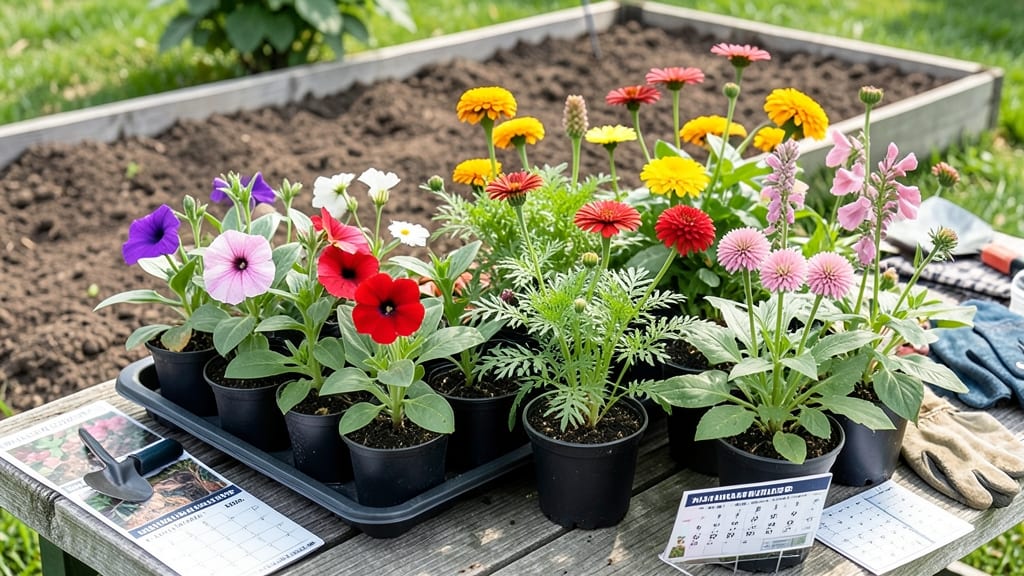
Timing when to plant flower seeds in Michigan just right means the difference between a garden bursting with color and one that barely makes it past the first frost. With Zone 5b-6b weather swings, even experienced gardeners can miss the window—especially when late frosts linger or summer heat arrives unexpectedly.
I’ve spent years perfecting the schedule for 🌸 marigolds, zinnias, and perennials like coneflowers, and the key isn’t just memorizing dates—it’s understanding soil temperatures, frost patterns, and how each flower type behaves.
Whether you’re starting seeds indoors in February or sowing directly in May, small adjustments can mean weeks of extra blooms or wasted effort.
In this guide, I’ll walk you through the exact planting windows for Michigan’s most popular flowers, including when to start indoors, how to handle unpredictable spring weather, and which late-season bloomers can still thrive when summer winds down.
No more guessing—just a foolproof system to turn your garden into a year-round showstopper.
Ready to skip the trial-and-error? Let’s dive into the month-by-month planting calendar that’ll have your Michigan garden looking like a postcard from spring to fall.
Michigan flower seed planting calendar by month: frost-free timing for annuals and perennials
Michigan’s Zone 5-6 climate means your flower seed planting schedule should align with last frost dates (typically April 15 in southern regions) and first frost dates (around October 15).
Early bloomers like pansies can handle light frosts, while tropical annuals like marigolds need warmer soil. Northern Michigan gardeners should adjust dates 1-2 weeks later due to cooler springs.
For cool-season flowers like snapdragons and calendulas, I recommend starting seeds indoors 6-8 weeks before your last frost date. Warm-season favorites—such as zinnias, cosmos, and sunflowers—thrive when direct-sown after soil reaches 55°F and all frost risk has passed.
Use this month-by-month guide to time your plantings perfectly for Michigan’s short but sweet growing season.
🌱 PRO TIP: Check your local USDA Plant Hardiness Zone (Zone 5b-6b) and adjust dates if you live in northern Michigan (e.g., Traverse City) versus southern Michigan (e.g., Detroit). A soil thermometer is your best tool for confirming readiness.
| Month | Flowers to Plant | Planting Method | Soil Temp (°F) | Notes |
|---|---|---|---|---|
| March | Pansies, Sweet Alyssum, Lettuce (companion) | Indoors (start) | 60-65°F | Hardy annuals; protect from late frost. |
| April | Snapdragons, Calendulas, Dianthus | Indoors or outdoors (after frost) | 50-55°F | Direct sow after last frost; use row covers. |
| May | Marigolds, Zinnias, Sunflowers, Cosmos | Direct sow outdoors | 60-70°F | Warm-season stars; thin seedlings for spacing. |
| June | Nasturtiums, Sweet Peas, Black-Eyed Susans | Direct sow or transplant | 65-75°F | Succession plant for continuous blooms. |
| July | Asters, Goldenrod, Pansies (fall) | Direct sow for fall color | 60-65°F | Extend season with cold-hardy varieties. |
| August | Sweet Alyssum, Stock (Biennial) | Direct sow for spring blooms | 55-60°F | Plant now for next year’s flowers. |
For perennial flowers like coneflowers or black-eyed Susans, I recommend sowing seeds directly in late spring (May-June) for established roots before winter. These hardy plants will reward you with years of blooms with minimal effort. Biennials (like foxglove) should be planted in late summer (
How to adjust planting dates for Michigan’s unpredictable spring weather
Michigan’s spring weather can be as unpredictable as a toddler’s mood—one day it’s 70°F, the next, a surprise frost hits. If you’ve ever watched your tender seedlings turn into crispy ice sculptures, you know the stakes.
The key to success? Adjusting your planting dates based on soil temperature, frost forecasts, and microclimates. I’ll show you how to outsmart Mother Nature’s curveballs.
First, always check your last frost date, which typically lands around April 15 in southern Michigan but can be weeks later in the Upper Peninsula. However, don’t rely on averages—use tools like the National Weather Service’s frost prediction maps or local garden clubs for real-time updates.
Pro tip: Sign up for free frost alerts from your county extension office to get warnings before they happen.
Soil temperature is just as critical as air temperature. Most flower seeds need soil to stay above 50°F (10°C) for consistent germination. Use a soil thermometer to test your garden beds—if it’s still chilly in May, wait it out.
Cold soil can leave seeds sitting there like a depressed teenager, refusing to sprout until conditions are right.
Never plant frost-sensitive flowers like petunias or marigolds before May 10 in most of Michigan—even if the calendar says spring has arrived. Use row covers or a mini greenhouse to protect seedlings if you’re eager to get an early start.
Microclimates—those tiny pockets of your yard with unique growing conditions—can save or sink your garden. A south-facing slope warms up faster than a shady corner, while urban areas often stay 5-10°F warmer than rural spots due to heat absorption.
Observe your yard: Does the lowest spot frost over first? Is the paved driveway area a heat island? Adjust planting zones accordingly—sometimes, a 10-foot difference means the difference between thriving and tragedy.
If you’re still nervous about timing, try the “successive planting” strategy. Start a batch of seeds indoors 6-8 weeks before your last frost date, then sow another round outdoors 2 weeks after the first frost-free weekend.
This way, even if one batch gets nipped, you’ve got a backup. Plus, it extends your blooming season like a gardening insurance policy.
For the truly risk-averse, consider cold frames or cloches. These simple structures can add 5-10°F of warmth to your soil, letting you plant 2-3 weeks earlier without fear. Just be sure to remove them during the day in warm weather to avoid overheating—your seedlings will thank you.
Finally, keep a planting journal to track what works in your specific yard. Note the exact dates you planted, any frost events, and how your flowers performed. Over time, you’ll spot patterns and refine your schedule. Next year, you’ll be the master of Michigan’s mercurial spring, not its victim.