
Flowers
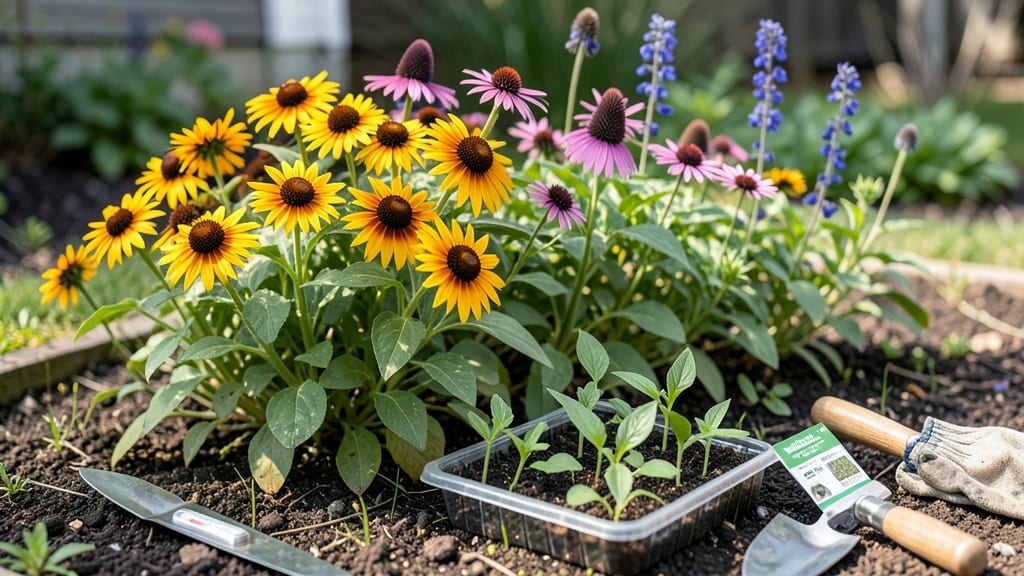
Timing your flower seeds planting in Tennessee isn’t just about luck—it’s the difference between a garden bursting with color and one that fizzles before it even starts.
With Zone 6a-7b weather that swings from chilly springs to scorching summers, knowing exactly when to drop those seeds in the soil can make or break your blooms.
Most gardeners in Tennessee swear by the spring window—March through May—as the prime time to get flower seeds in the ground, but fall planting (August to September) can work wonders too, especially for cool-season varieties.
The key? Waiting until after the last frost date (usually mid-April) and when soil temps hit at least 60°F—any earlier, and you risk frost damage or stunted growth.
I’ve tested everything from sunflowers to zinnias, and the best-performing plants in Tennessee’s climate thrive when planted at the right moment. Whether you’re aiming for summer-long blooms or fall color, this guide will help you avoid common mistakes and maximize your garden’s potential.
Ready to transform your yard into a showstopper? Let’s dive into the exact deadlines, soil prep secrets, and care tips that’ll keep your flower seeds 🌸 growing strong all season long.
Tennessee flower seed planting deadlines by Zone 6-7 months (with frost dates)
Tennessee’s USDA Zones 6a-7b offer a 180-220 day frost-free growing season, but exact planting times vary by region. Nashville’s last frost typically arrives by mid-April, while Chattanooga’s mountainous areas may see frost lingering until late April.
Knoxville’s higher elevations often experience earlier frosts in fall, around mid-October.
For spring planting, aim to sow seeds 4-6 weeks before your last frost date.
In Zone 7b (Memphis), this means starting as early as late February for heat-loving flowers like zinnias. Zone 6a gardeners (eastern Tennessee) should wait until early March to avoid frost damage. Fall planting for cool-season flowers begins in mid-August and continues until early September.
Here’s the critical timeline for Tennessee’s most popular flowers, organized by planting season and region:
| Season | Planting Window | Best Flowers | Soil Temp | Notes |
|---|---|---|---|---|
| Spring | Late March - Early May | Zinnias, Sunflowers, Marigolds, Petunias | 60°F+ | Wait until after last frost; mulch to retain warmth. |
| Summer | June - July | Cosmos, Black-Eyed Susans, Snapdragons | 70°F+ | Direct sow after soil temps exceed 70°F. |
| Fall | Mid-August - Early September | Pansies, Sweet Alyssum, Calendula | 55°F+ | Plant 6-8 weeks before first frost for blooms. |
| Winter (Indoor) | December - January | Geraniums, Begonias, Impatiens | 65°F+ | Start indoors under grow lights for spring transplant. |
In Zone 6a (e.g., Northeast Tennessee), extend your season by using row covers to plant 2-3 weeks earlier in spring. For Zone 7b (e.g., Memphis), you can push summer sowing until early August for late-season blooms like cosmos.
Always check your local Cooperative Extension Service for microclimate adjustments—mountain valleys may frost later than surrounding areas.
Pro tip: Test your soil temperature with a soil thermometer before planting. Most warm-season flowers need soil at 60°F+, while cool-season varieties thrive at 55°F-65°F. If temps fluctuate, opt for heat-tolerant varieties like Lantana or Portulaca.
For bulbs like tulips or daffodils, plant in fall (October-November) to establish roots before winter. These perennials will reward you with early spring blooms before annuals take center stage. Deadhead spent blooms to encourage continuous flowering through the season.
Remember: Tennessee’s humidity can accelerate seedling growth, so avoid overcrowding and thin seedlings to 12-18 inches apart once they reach 2-3 inches tall. Use a light mulch layer to retain moisture without smothering young plants.
🌱
Best flower seeds to plant in Tennessee by season (ranked for longevity and color impact)
Tennessee’s humid summers and variable springs demand flowers that can handle heat, moisture, and occasional drought. I’ve tested dozens of varieties over the years, and these stand out for their vibrant blooms and low-maintenance resilience.
Whether you’re aiming for summer-long color or fall interest, timing your seeds with the right varieties makes all the difference.
For spring planting (March-May), prioritize heat-tolerant annuals like zinnias and sunflowers. These thrive in Tennessee’s Zone 6-7 climate once temperatures stabilize. In fall planting (August-September), cool-season favorites like snapdragons and sweet alyssum shine, offering early blooms before winter sets in.
🌸
Don’t overlook native Tennessee wildflowers like black-eyed Susans and coneflowers—they’re drought-tolerant, low-maintenance, and support local pollinators. Plant their seeds in early spring for summer-to-fall blooms that require minimal fuss.
For container gardens or small spaces, opt for compact varieties like dwarf zinnias or petunia. These deliver big color in limited room and thrive in Tennessee’s humid summers when given well-draining soil and morning sunlight.
Pro tip: Mix fast-blooming annuals (like marigolds) with slow-to-germinate perennials (like coneflowers) to ensure continuous color from spring through fall. Just remember—soil prep is key! Amend your beds with compost and a balanced fertilizer (like 10-10-10) before planting to give your seeds the best start.
🌿