
Flowers
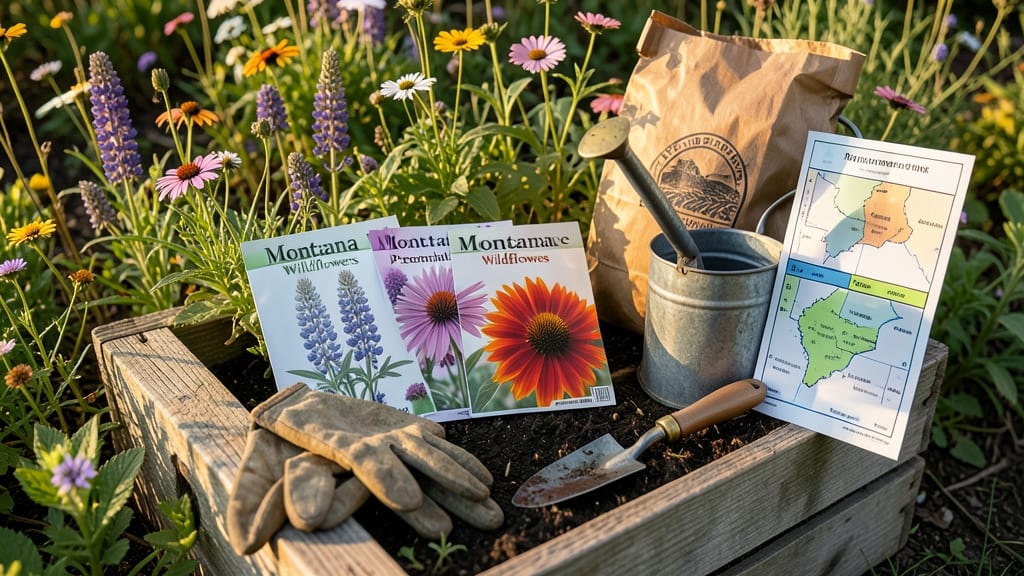
Mastering when to plant flowers in Montana can turn your garden from a gamble into a guaranteed burst of color—if you time it right. Montana’s USDA Zones 3-7 bring unique challenges, from late spring freezes to early fall chills, making a one-size-fits-all approach a recipe for failure.
If you’ve ever watched your 🌸 seedlings shrivel overnight—or worse, wasted money on plants that never took root—this guide is your lifeline. We’ll break down the exact planting windows for annuals, perennials, and bulbs, so you can avoid the heartbreak of lost blooms and maximize your garden’s potential.
From hardy delphiniums that thrive in Zone 4 to late-summer lupines that love Montana’s high-altitude breezes, we’ll cover what to plant when—plus pro tips to protect tender seedlings from those sneaky late frosts that can strike even in May.
Ready to transform your Montana yard into a year-round floral paradise? Let’s dive into the zone-specific calendar that’ll keep your garden blooming from spring to fall—without the frost-related surprises.
Montana planting zones & frost dates: your zero-risk flower calendar
Montana’s diverse climate—from USDA Zone 3 in the mountains to Zone 7 in the valleys—means frost dates vary wildly. Western Montana (like Missoula) typically sees its last frost around May 15, while Eastern areas (such as Billings) may wait until June 1.
High-altitude gardens near Glacier National Park can face frost even in July! Understanding these microclimates is key to timing your plantings right.
For annual flowers, wait until after your last frost date to plant tender varieties like petunias or geraniums. Perennials, however, can often handle early spring planting (as early as April in warmer zones) because they’re hardier. Bulbs like tulips and daffodils should go in the fall (September-October) to establish roots before winter.
Here’s a quick reference for Montana’s frost-free windows by zone, so you can plan your flower garden with confidence:
| USDA Zone | Last Frost Date | First Frost Date | Best Planting Window | Cold-Hardy Flowers |
|---|---|---|---|---|
| Zone 3 (High Altitude) | June 1 - June 15 | September 1 - September 15 | Late May - Early July | Delphiniums, Lupines, Columbines |
| Zone 4 (Western MT) | May 1 - May 15 | September 15 - October 1 | Mid-April - Early June | Peonies, Lavender, Coneflowers |
| Zone 5-6 (Eastern MT) | May 15 - June 1 | October 1 - October 15 | Early April - Mid-June | Black-Eyed Susans, Hollyhocks, Marigolds |
| Zone 7 (Missoula Valley) | May 1 - May 10 | October 15 - November 1 | March - June | Dahlias, Zinnias, Snapdragons |
If you’re in a high-altitude garden (e.g., 1,500+ feet above sea level), err on the side of caution. Plant annuals like pansies or sweet peas in late May or even early June to avoid late frosts.
For perennials, early spring plantings (March-April) give roots time to establish before summer heat arrives.
Pro tip: Use local frost date records from your nearest Cooperative Extension office or weather station. For example, Boze’s frost dates differ from Great Falls’ by nearly two weeks! Adjust your planting timeline accordingly to avoid frost damage.
For fall planting, aim to get bulbs and cool-season annuals (like pansies) in the ground by September 1. This gives them time to root before the ground freezes. In Zone 3, you might need to use mulch or row covers to protect tender roots.
Remember, Montana’s weather is unpredictable. Even if your zone’s average last frost is May 15, a late snowstorm could push it to June 1. Always have a backup plan, like row covers or a greenhouse, for early plantings.
Now that you’ve got your frost dates locked in, let’s dive into the best flowers to plant by month—plus frost-proof tips to keep your garden thriving all season long! 🌸
How to protect early plantings from Montana’s late frost surprises
Montana’s late spring frost can turn a promising flower garden into a sad, icy landscape overnight. Even after the average last frost date, temperatures can plummet—especially in high-altitude areas like Bozeman or Whitefish.
The key to success? Knowing how to shield your tender seedlings when Mother Nature throws a curveball.
Most annual flowers like geraniums, marigolds, and petunias can’t handle frost, even if they’re just a few inches tall. Perennials like black-eyed Susans or coneflowers are hardier but still benefit from protection until the soil warms consistently. The trick is to act proactively, not reactively.
Here’s how to safeguard your early plantings when frost warnings linger beyond the expected last frost date. These strategies work for both seedlings and young transplants, giving them the best chance to thrive.
Watch for these red flags in your garden:
- 🌡️ Forecasts below 32°F at night
- 🌬️ Calm winds (frost forms faster without movement)
- 🌙 Clear skies (heat escapes quickly)
- ❄️ Frost on grass in the morning (check early!)
If frost is in the forecast, act fast. The earlier you cover plants, the better—especially for tender annuals. Start with lightweight row covers (like frost blankets) or cloches (glass jars or plastic domes) to trap heat.
For larger areas, use floating row covers secured with bricks or stakes. Avoid heavy materials like tarps, which can smother plants or trap too much moisture.
For high-value plants like geraniums or snapdragons, consider a mini greenhouse setup. Use a clear plastic bin with a lid or even a large cardboard box with plastic wrap over the top.
Place a small light bulb inside (like a Christmas light) to generate a tiny bit of warmth. This works surprisingly well for extended frost warnings.
After the frost threat passes, remove covers during the day to let plants breathe and harden off. Leave them off at night only if temperatures stay above 40°F.
If you’re unsure, keep them covered until the soil temperature consistently stays above 50°F—a soil thermometer is your best friend here.
Pro tip: If your plants show frost damage (blackened leaves, mushy stems), don’t panic. Many flowers like pansies or sweet peas can regrow from the base. Simply trim back the damaged foliage and keep watering—new growth will often emerge within 1-2 weeks.