
Flowers
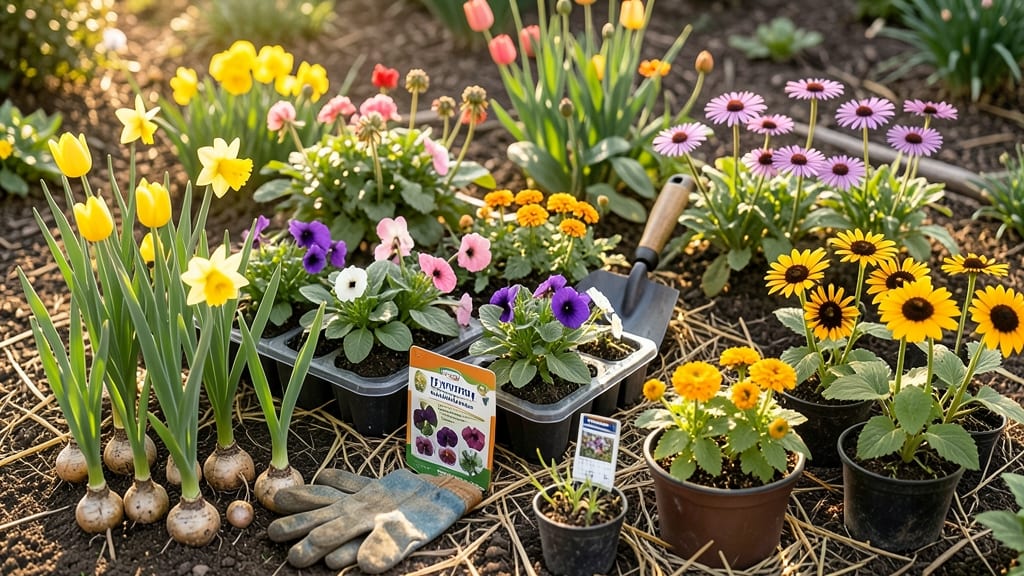
When to plant flowers in NJ at the right time means the difference between a vibrant garden and a frost-killed disappointment. With USDA zones 6a-7b and unpredictable spring weather, knowing when to plant your 🌸 can feel like guessing—until now.
Most gardeners in NJ wait until after the average last frost date (April 15), but that’s not the whole story. Coastal areas warm up faster than inland spots, and some flowers—like petunias—thrive when planted after Memorial Day to avoid heat stress.
Let’s break down the exact windows for annuals, perennials, and bulbs so you never miss a bloom.
Whether you’re tucking in daylilies in March or prepping for fall-blooming asters, this guide covers seasonal deadlines and pro tips to extend your flower season without frost risk. No more guessing—just a foolproof schedule tailored to NJ’s climate.
Ready to transform your yard into a year-round showcase? I’ll walk you through the best months for planting, soil prep tricks, and even how to cheat the system with row covers. Let’s get those 🌸 growing!
NJ planting zones and last frost dates by region
New Jersey spans USDA Hardiness Zones 6a and 7a, meaning frost dates vary dramatically between coastal areas and inland regions. Understanding these zones helps you avoid late-spring frosts that can kill tender seedlings and early-fall frosts that cut short summer blooms.
Coastal NJ (e.g., Cape May, Atlantic City) enjoys warmer microclimates with later frosts, while inland areas (e.g., Sussex County) face earlier frost risks. The average last frost date hovers around April 15, but coastal regions can delay planting until May 1 safely.
First frosts typically arrive by November 1, but mountain regions may see frost as early as October 15. Plan your fall plantings accordingly—tender annuals like petunias won’t survive past October 15 in most of NJ.
Use this zone-specific guide to time your plantings perfectly, whether you're sowing cool-season flowers in early spring or heat-loving annuals in late spring.
🌱 NJ Planting Zones & Frost Timeline
| Region | USDA Zone | Avg. Last Frost | Avg. First Frost | Safe Planting Window |
|---|---|---|---|---|
| Northern NJ (Sussex, Morris) | 6a | April 10 | October 25 | April 20 - May 15 |
| Central NJ (Trenton, Princeton) | 6b-7a | April 15 | November 1 | April 25 - May 10 |
| Southern NJ (Cape May, Atlantic City) | 7a-7b | May 1 | November 10 | May 1 - May 20 |
| Coastal Microclimates | 7a-7b | May 5 | November 15 | May 10 - May 25 |
For annual flowers, wait until two weeks after your region’s last frost date to transplant seedlings. Perennials like daylilies and coneflowers can handle early spring planting (as soon as soil is workable), while tender perennials (e.g., cannas) need to wait until after May 15.
Check local Almanac frost predictions yearly—they adjust for La Niña/El Niño patterns that shift frost dates by 1-2 weeks. Bookmark the NJ State Climate Office for real-time updates.
Pro tip: Coastal gardeners can push fall plantings later than inland areas. Try mums or asters in late September for extended color before frost.
🌿
Best flowers to plant by season in new Jersey (with exact months)
New Jersey’s 6a-7b hardiness zones mean you can grow a stunning variety of flowers—if you plant them at the right time. Cool-season bloomers like pansies and snapdragons thrive when soil temps are still chilly, while heat-lovers like petunias and marigolds need warmer ground.
Here’s my month-by-month planting guide for NJ gardens.
For spring planting (March–May), focus on perennials and cool-season annuals that can handle occasional frosts. Bulbs like tulips and daffodils should go in the ground by late October to early November for spring blooms, but if you missed that window, potted spring flowers (like pansies) can be planted as early as late February under frost cloth.
🌸 NJ Flower Planting Calendar
- March: Start pansies, violas, and snapdragons (hardy to 20°F). Plant tulip and daffodil bulbs if not done in fall.
- April: Transplant petunias, geraniums, and impatiens after last frost (usually mid-April). Direct-sow marigolds and zinnias.
- May: Plant black-eyed Susans, coneflowers, and daylilies. Add fall-blooming bulbs like crocuses and alliums.
- June: Succession plant cosmos and sunflowers for late-summer color.
- September: Plant mums, asters, and goldenrod for fall color. Add spring-blooming bulbs (tulips, hyacinths).
If you’re growing container flowers, you can push your planting windows slightly earlier or later.
For example, petunias in pots can handle a light frost if protected, so I often plant them in late April instead of waiting for May. Heat-tolerant varieties like lantana and salvia can even wait until mid-May in inland NJ.
For perennials like daylilies and peonies, early spring (March–April) is ideal. These hardy plants establish roots quickly and reward you with years of blooms. Annuals like marigolds and zinnias, however, need warmer soil—wait until after Memorial Day (late May) to avoid stunted growth.
Don’t forget fall planting (September–October)! Many perennials and bulbs thrive when planted in fall, giving them time to root before winter. Mums and asters planted in early September will bloom beautifully through October, while spring bulbs like tulips should be in the ground by mid-October.
Pro tip: Check your local frost dates (coastal NJ is 2–3 weeks earlier than inland areas) and adjust accordingly. For example, Cape May can plant pansies in February, while North Jersey should wait until March. Use a frost calendar or plant 2–3 weeks later if you’re unsure.