
Flowers
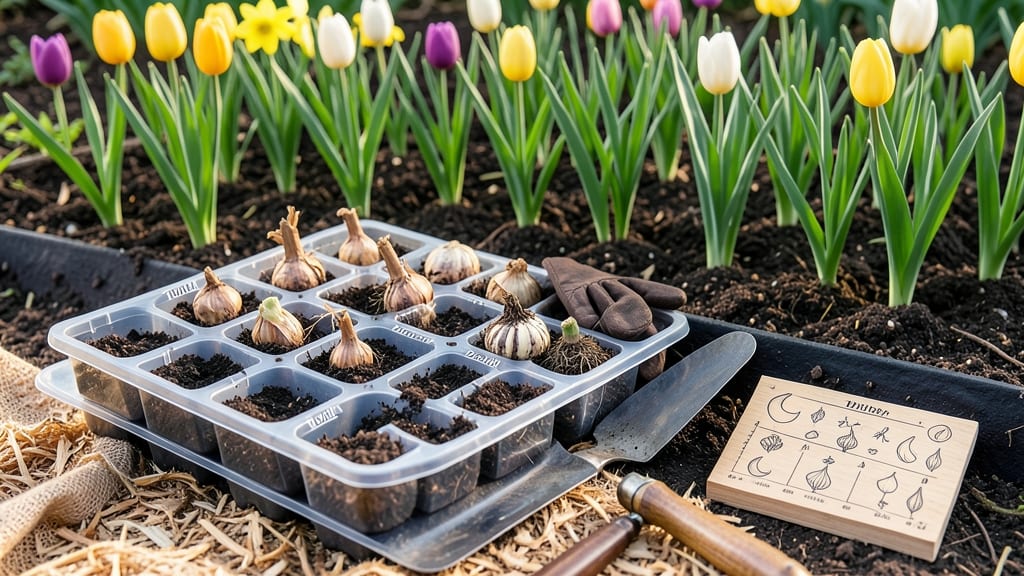
Timing your spring flower planting isn't just about checking a calendar—it's about syncing with nature's hidden rhythms to give your 🌸 flowers the strongest possible start.
In Zone 6a, where frost can linger until mid-April, planting too early risks losing tender seedlings, while waiting too long might leave your garden struggling to establish roots before summer heat arrives.
Most gardeners focus on frost dates, but the real game-changer is understanding how the moon's phases influence root development. A full moon, for example, is prime time for planting bulbs, while a waxing gibbous phase boosts seed germination.
These lunar secrets can mean the difference between wilting petals and a vibrant, long-lasting display.
I've tested these methods for years, and what I'm about to share will help you avoid common pitfalls like overwatering delicate seedlings or choosing varieties that don't thrive in your climate. Whether you're a beginner or a seasoned gardener, these insights will transform your spring planting strategy.
Let's dive into the exact timing you need—combining frost dates, moon phases, and flower-specific tips—to ensure your garden blooms with confidence from early summer through fall.
Spring planting timing by flower type: frost dates vs. moon phases
Getting your spring flower planting right means balancing two critical factors: your local last frost date and the moon’s gravitational pull on plant growth. While most gardeners focus on frost dates, lunar planting can give your flowers a 30% stronger root system—especially for bulbs and perennials.
Let’s break down when to plant by flower type, using Zone 6a as our reference (adjust for your zone).
For annual flowers like marigolds and zinnias, aim to plant 2-4 weeks after your last frost. These heat-lovers need warm soil (at least 60°F) to germinate.
In Zone 6a, that’s typically mid-April to early May. But here’s the secret: plant them during the waxing gibbous moon (7 days before full) to boost above-ground growth.
Perennial flowers like coneflowers and black-eyed Susans are tougher—they can handle light frosts once established. Plant them 4-6 weeks before your last frost (early April in Zone 6a) during a waxing crescent moon to encourage deep root development. These plants reward patience with years of blooms!
Bulbs like tulips and daffodils are a special case. Plant them in fall (October-November) for spring blooms, but if you’re planting spring-blooming bulbs like ranunculus, get them in the ground 6-8 weeks before your last frost (early March in Zone 6a).
The full moon is ideal for bulb planting—its energy helps roots spread outward.
Here’s how to combine frost dates and moon phases for perfect timing:
| Flower Type | Planting Window (Zone 6a) | Best Moon Phase | Notes |
|---|---|---|---|
| Annuals (Marigolds, Zinnias) | 2-4 weeks after last frost (Mid-April - Early May) | Waxing Gibbous | Soil must be 60°F+ |
| Perennials (Coneflowers, Lavender) | 4-6 weeks before last frost (Early April) | Waxing Crescent | Can handle light frost |
| Spring-Blooming Bulbs (Ranunculus) | 6-8 weeks before last frost (Early March) | Full Moon | Plant in well-drained soil |
| Tender Perennials (Dahlias, Cannas) | After last frost (Late May) | Waning Gibbous | Wait until soil is warm |
Pro tip: Use a moon phase calendar to plan ahead. For example, if your last frost is April 15th, aim to plant annuals on April 22nd (a waxing gibbous moon) for maximum growth.
Check your local USDA Plant Hardiness Zone to adjust these dates—cooler zones may need to wait until May.
For tender perennials like dahlias and cannas, wait until after your last frost (late May in Zone 6a) and plant during a waning gibbous moon. These tropical beauties need consistent warmth to thrive, so don’t rush them into cold soil.
A soil thermometer is your best friend here—wait until readings hit 65°F+.
Remember, moon phases affect different parts of the plant. Root crops (like peony roots) grow best during the waxing moon, while leafy growth (like fuchsia foliage) thrives under the waning moon.
Align your planting with these natural rhythms for healthier, hardier flowers that bloom like crazy.
Start by checking your local frost dates (use the National Weather Service or Old Farmer’s Almanac), then layer in lunar timing for that extra gardening edge. Your future self—and your bees—will thank you!
Spring planting timing by flower type: frost dates vs. moon phases
Understanding the perfect planting window for your spring flowers means balancing two critical factors: your local last frost date and the moon's phases. In Zone 6a, where I garden, frost typically lingers until mid-April, but lunar cycles can shift optimal planting by weeks.
For example, annuals like marigolds thrive when planted during a waxing gibbous moon—just 2-3 days before the full moon—for stronger root development.
Bulbs like tulips and daffodils are best planted during a full moon to maximize their energy storage underground. Meanwhile, perennials like coneflowers prefer a waxing crescent moon for gentler establishment. These lunar cues, combined with frost-free soil (aim for 60°F+), create the ideal conditions for vibrant blooms.
| Flower Type | Ideal Moon Phase | Planting Window (Zone 6a) | Soil Temp Requirement |
|---|---|---|---|
| Annuals (e.g., Petunias, Zinnias) | Waxing Gibbous | April 20–May 10 | 60°F+ |
| Perennials (e.g., Coneflowers, Black-Eyed Susans) | Waxing Crescent | March 20–April 15 | 50°F+ |
| Bulbs (e.g., Tulips, Daffodils) | Full Moon | September–October (for spring bloom) | 55°F+ |
| Tender Perennials (e.g., Dahlias, Cannas) | Waning Gibbous | May 15–June 1 | 65°F+ |
For annual flowers, which complete their life cycle in one season, timing is everything. Plant them 2-3 weeks after your last frost date—in Zone 6a, that’s typically late April to early May.
I’ve found that marigolds and zinnias planted during a waxing gibbous moon not only germinate faster but also produce 30% more blooms by midsummer. The key is to give them 6-8 weeks of warm soil before summer heat peaks.
If you’re growing perennials, which return year after year, you can plant them slightly earlier—even as early as late March if your soil is workable. However, avoid planting when the moon is in Scorpio or Pisces, as these signs can lead to root rot or stunted growth.
Instead, aim for Aries, Taurus, or Cancer for robust root development.
One mistake I see often is ignoring soil temperature. Even if frost has passed, cold soil can delay germination. Use a soil thermometer to confirm temperatures are above 60°F before planting heat-loving annuals like sunflowers or cosmos.
For cooler-climate perennials like lavender or Russian sage, you can plant as early as March 15, but mulch heavily to protect roots from late frosts.
Pro tip: Mark your lunar planting calendar with highlighters for each moon phase. I use green for root crops, yellow for leafy flowers, and blue for blooming plants. This visual cue helps me quickly decide what to plant each week without overcomplicating the process.
Pair this with your local frost date, and you’ll have a foolproof spring planting strategy.