
Flowers
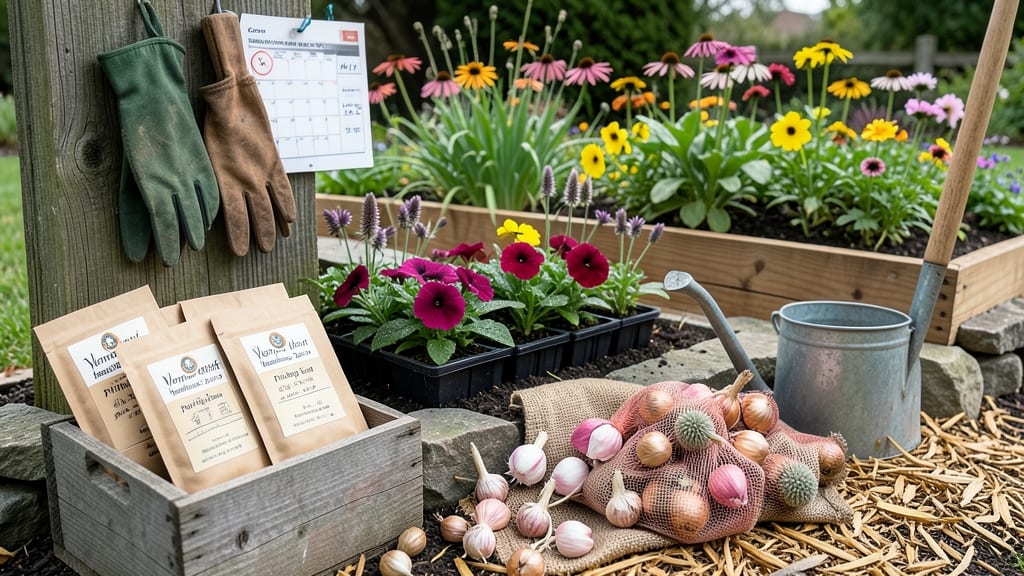
Timing your flowers' planting in Vermont wrong could mean the difference between a showstopping garden and a sad pile of frost-killed seedlings. With last frost dates shifting from mid-May in the Champlain Valley to early June in the Northeast Kingdom, getting it right takes more than just guessing.
I’ve spent years watching 🌸 blooms thrive—and wither—across Vermont’s 4b-6a zones, and the key isn’t just the calendar.
It’s knowing when to tuck in tender annuals after the last frost, when to plant hardy perennials for fall color, and how to adjust for those sneaky late frosts that love to ruin your plans.
What if you could skip the trial-and-error and plant with confidence? This guide breaks down the exact windows for spring and fall planting, plus the best Vermont-friendly flowers for your microclimate—so you can enjoy blooms from May through October without the guesswork.
Whether you’re a first-time gardener or a seasoned pro, these frost-free timelines and pro tips will help you turn your Vermont garden into a year-round paradise. Let’s get those 🌸 growing!
Vermont’s frost-free zones & best flower planting months by hardiness
Vermont’s diverse USDA hardiness zones (4b-6a) mean your planting timeline depends heavily on where you live. The Northeast Kingdom (Zone 4b) often sees last frosts in late May, while the Champlain Valley (Zone 6a) may warm up by mid-April.
Knowing your zone helps you pick cold-hardy flowers like tulips and peony that thrive in Zone 4, versus heat-loving black-eyed Susans for milder areas.
For most of Vermont, annual flowers should go in the ground after the last frost, typically late April to mid-May. Perennials and bulbs, however, can often be planted in early spring or fall—even before the ground thaws.
Fall planting (August–early September) is ideal for spring-blooming bulbs like daffodils, giving roots time to establish before winter.
Use the table below to match your USDA zone with the best planting window for your favorite flowers. Remember, soil temperature (not air temperature) is the real indicator—wait until it reaches 50°F (10°C) for most flowers.
| Zone & Location | Last Frost Date | Spring Planting Window | Fall Planting Window | Cold-Hardy Flowers |
|---|---|---|---|---|
| Zone 4b (Northeast Kingdom, St. Johnsbury) | Late May | Mid-May to June 1 | August 15–September 10 | Tulips, Peonies, Coneflowers |
| Zone 5a (Burlington, Middlebury) | Mid-May | Late April to May 15 | August 1–September 15 | Daffodils, Daylilies, Black-Eyed Susans |
| Zone 6a (Bennington, Brattleboro) | Early May | Late April to May 10 | August 15–October 1 | Bearded Iris, Lavender, Shasta Daisies |
If you’re unsure about your last frost date, check the Vermont State Climate Office or use a frost calendar from local nurseries. For tender annuals like marigolds or zinnias, wait until two weeks after the average last frost to avoid frost damage.
In colder zones, consider starting seeds indoors 6–8 weeks before the last frost for a head start.
For bulbs and perennials, fall planting is often better—it gives roots time to establish before winter. Plant spring-blooming bulbs like tulips in October or November, while fall-blooming flowers (like chrysanthemums) should go in by early September. Mulch heavily after planting to insulate roots from freezing temperatures.
Pro tip: Use row covers or cold frames to extend your planting season by 2–4 weeks in early spring. This lets you sow cool-season flowers like pansies or sweet alyssum earlier, giving you earlier blooms and a longer season.
In Zone 4b, where winters are harshest, focus on hardy perennials like Russian sage or catmint, which bounce back year after year. In milder Zone 6a, you can experiment with tender perennials like dahlias or canas, but always lift and store them before the first frost.
Remember, Vermont’s microclimates can vary dramatically—even within a few miles. A south-facing slope may warm up 1–2 weeks earlier than a north-facing valley. Observe your garden’s unique conditions for 3–5 years to refine your planting schedule.
For container gardening, you have more flexibility—move pots to protected spots if frost is forecasted. Just ensure containers have drainage holes to prevent root rot in Vermont’s wet springs.
Finally, keep a gardening journal to track your planting dates and outcomes. Over time, you’ll spot patterns in your local frost dates and adjust accordingly. Happy planting!
Top Vermont-friendly flowers & their ideal planting times
Vermont’s climate rewards gardeners who choose hardy, adaptable flowers that thrive despite late frosts and short summers. I’ve tested these top performers in my own Zone 5b garden, and they consistently deliver bold blooms from May through October with minimal fuss.
For spring planting, focus on cold-hardy perennials like peonies and daylilies, which can handle Vermont’s late May frosts. Annuals like pansies and snapdragons are also tough enough to start outdoors as early as late April in sheltered spots.
- 1️⃣ Peonies (Zone 3-8): Plant crowns in early spring (April) for summer blooms—they hate transplant shock!
- 2️⃣ Coneflowers (Zone 3-9): Direct-sow seeds after last frost (mid-May) for drought-resistant late-summer color.
- 3️⃣ Black-Eyed Susans (Zone 3-9): Divide clumps in early spring for vibrant yellow blooms from July to frost.
- 4️⃣ Bee Balm (Zone 4-9): Start seeds indoors in March or plant bare-root in April—it’s a pollinator magnet!
- 5️⃣ Daffodils (Zone 3-8): Plant bulbs in fall (Oct-Nov) for early spring blooms—they naturalize beautifully.
Fall planting is your secret weapon for next-year’s blooms. Bulbs like tulips and crocuses need to root in cool soil by late October, while hardy perennials like asters and sedum can go in August-September for early spring growth.
Pro tip: Extend your bloom season by layering plants with different maturity times. For example, pair early bloomers like bleeding hearts (plant in fall) with late-season stars like Russian sage (plant in springcontinuous color from May to October.
Don’t overlook Vermont’s native flowers—they’re low-maintenance and support local pollinators. Try columbine (self-seeds easily) or wild bergamot (drought-tolerant) for effortless beauty with zero fuss. Start seeds indoors in March for early blooms!
Remember: Soil temperature matters! Wait until soil is at least 50°F before planting tender annuals like marigolds or zinnias. Use a soil thermometer to check—it’s your best friend in Vermont’s unpredictable spring.