
Plants
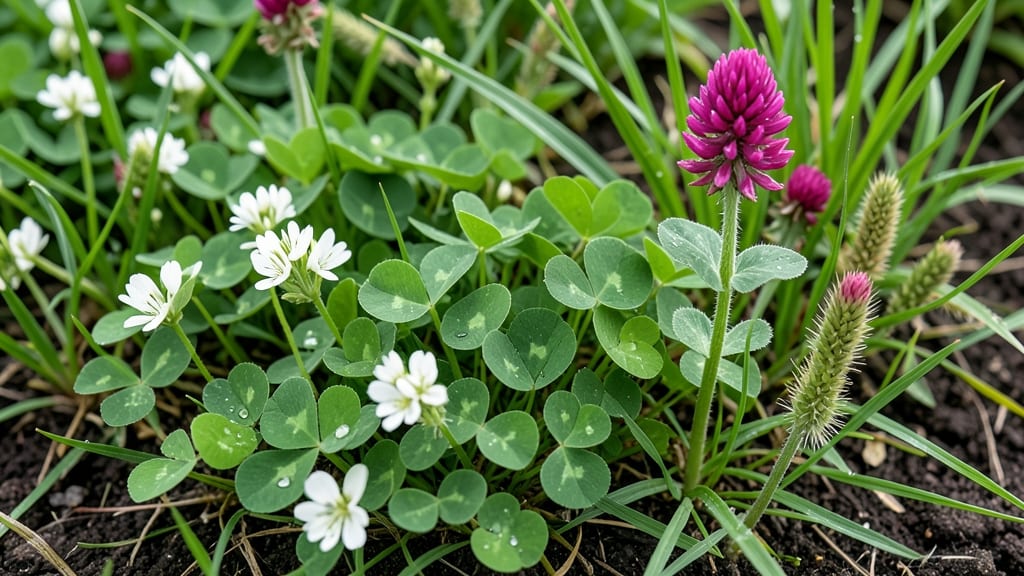
Timing when to plant food plots for deer in Louisiana isn't just about picking a month—it's about understanding the perfect window when soil temperatures and deer behavior align for maximum success.
Get it wrong, and you're staring at sparse growth or missed opportunities to lure those trophy bucks to your property.
Louisiana's 8a-9b climate throws a curveball with its long, humid growing seasons and unpredictable frost dates. Plant too early, and you risk fungal issues or stunted crops. Too late, and you miss the ideal fall feeding frenzy that has deer bulging up for rut season.
The key? Strategic planting that matches both your soil's readiness and the deer's natural grazing patterns.
I've tested what works in Louisiana's fields, and the best months aren't just February-March or August-September—they're about soil temps hitting 50°F–70°F for clover, brassicas, and warm-season mixes.
Let me show you the exact windows that make the difference between a mediocre plot and one that has bucks lining up at your fence.
From choosing the right crops for Louisiana's heat and humidity to avoiding common mistakes that waste seeds and money, this guide gives you the insider knowledge local landowners swear by. Ready to transform your property into a deer magnet? Let's get started.
Louisiana food plot planting calendar by soil temperature (not just months)
Timing your food plots in Louisiana isn’t just about picking a month—it’s about soil temperature. Most deer forage thrives when soil hovers between 50°F and 70°F.
In our humid climate, this means avoiding early spring plantings that risk fungal diseases and late summer plantings that struggle with heat stress. Let’s break down the optimal planting windows based on what’s growing in your plot.
For cool-season mixes like clover and rye, aim for late February to early March when soil temps stabilize above 50°F. Warm-season crops like sorghum-sudangrass or peanuts need to hit the ground by mid-August to establish roots before fall rains arrive.
Miss these windows, and you’ll end up with slow-growing plots that deer ignore.
Here’s the critical rule: Always check soil temperature with a soil thermometer (not just air temp). Louisiana’s clay-heavy soils retain heat longer—planting too early can lead to rotten seeds, while waiting too long means weed competition takes over.
🌱
| Plant Type | Best Planting Window | Soil Temp Range | Deer Grazing Peak | Louisiana Notes |
|---|---|---|---|---|
| Clover Mixes | Late Feb–Early Mar | 50°F–60°F | Fall/Winter | Fixes acidic soil; needs lime if pH < 6.0 |
| Brassicas (Turnips/Radish) | Late Aug–Early Sep | 60°F–70°F | Late Fall | Fast-growing; attracts deer fast in cool weather |
| Warm-Season Mixes (Sorghum) | Mid-Aug–Late Aug | 65°F–75°F | Summer/Fall | Drought-tolerant; thrives in heat |
| Winter Rye | Early Oct–Mid Oct | 55°F–65°F | Winter/Spring | Deep roots; holds soil in heavy rains |
Notice how brassicas and warm-season mixes have late-summer windows? That’s because Louisiana’s humid heat can stall germination if planted too early. For example, turnips planted in July often bolt (go to seed) before deer get a chance to graze them.
The key is planting after the hottest stretch—typically after mid-August.
Pro tip: Use a soil thermometer to verify temps before planting. Bury it 2 inches deep (seed level) for accurate readings. In Zone 8a-9b, soil temps can lag behind air temps by 5–10°F, especially in shaded areas.
If your soil is below 50°F, wait—fungal diseases like Pythium will wipe out your seeds.
Another Louisiana-specific challenge? Heavy clay soils that compact easily. Always loosen the top 4–6 inches of soil with a broadfork or tiller before planting. Compacted soil = poor root growth = weak forage that deer skip.
Think of it as giving your plants a running start in the race against weeds.
For fall plantings, aim to have your plots established 6–8 weeks before the first frost (usually early December in Louisiana). This gives deer plenty of time to find and graze the plot before winter sets in.
If you’re planting for summer browsing, warm-season mixes should be fully emerged by June to avoid heat stress.
🌿
One final game-changer: Deer behavior shifts with the seasons. Plant clover mixes in spring to attract bucks during the rut in November, when they’re most active.
Meanwhile, brassicas in late summer draw does and fawns, creating a year-round food source. The goal is continuous forage, not just a single-season plot.
Remember: Louisiana’s climate is unpredictable. Always monitor weather forecasts and adjust planting dates if unseason
Best food plot crops for Louisiana’s climate and deer season timing
Louisiana’s warm, humid climate means deer food plots need crops that thrive in heat spikes and heavy rainfall while aligning with whitetail feeding patterns. My top picks balance nutritional value and deer preference, with planting windows tailored to Louisiana’s USDA Zones 8a–9b.
For summer grazing, I recommend chicory and sorghum-sudangrass mixes. These handle Louisiana’s 90°F+ temperatures and provide high-protein forage when natural food sources dwindle. Plant these in late May to June for peak growth by late summer.
🌿
🌱 Top Food Plot Crops for Louisiana
| Crop | Best Planting Window | Deer Preference Peak | Louisiana Notes |
|---|---|---|---|
| Chicory | Late May–June | Summer–Fall | Drought-tolerant; attracts bucks in late season |
| Winter Rye | September–October | Winter–Early Spring | Cold-hardy; ideal for Louisiana’s mild winters |
| Clover Mix | February–March | Spring–Summer | Fixes nitrogen; thrives in Louisiana’s clay soils |
| Brassicas | August–September | Fall–Winter | High protein; deer love turnips in cool months |
For fall and winter, I turn to brassicas (turnips, radishes) and winter rye. These crops handle Louisiana’s mild winters and provide high-protein forage when acorns are scarce. Plant brassicas in August–September for late-season grazing, while winter rye thrives when planted in September–October.
Spring is prime time for clover mixes and warm-season grasses. These establish quickly after Louisiana’s last frost (mid-February) and offer year-round forage. I recommend red and white clover blends for their nitrogen-fixing benefits and deer appeal.
🦌 Pro Tip: Rotate crops annually to prevent soil depletion. Louisiana’s acidic clay soils benefit from lime applications (test pH first—aim for 6.0–6.5). Overlook this, and your plots may struggle despite perfect timing.
Finally, cover crops like austrian winter peas are my secret weapon for Louisiana plots. Plant them in late summer to suppress weeds and improve soil health before your main crops go in. Deer love the tender growth, and it’s a zero-waste strategy.