
Trees
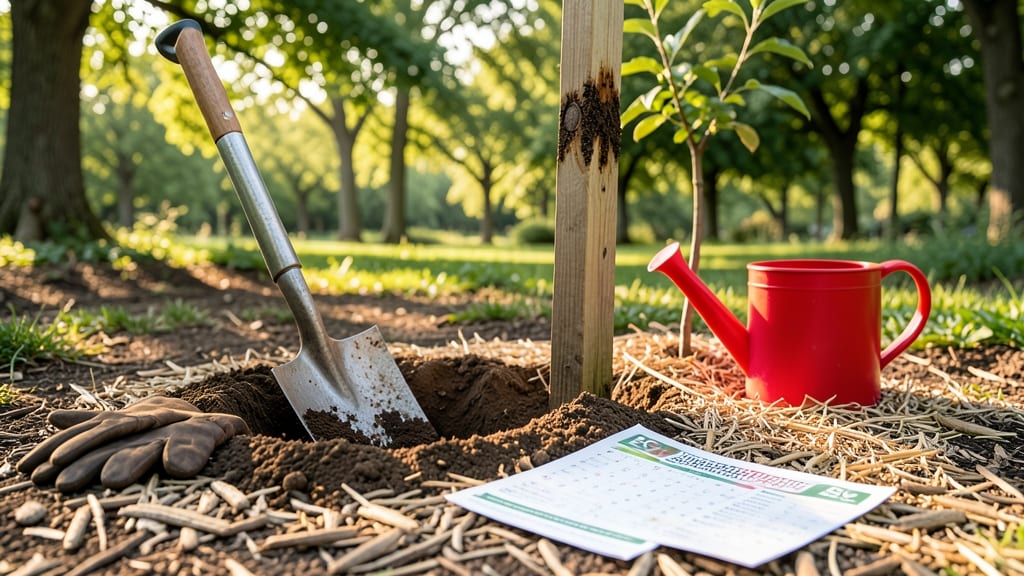
Timing your fruit tree planting in BC isn't just about the calendar—it's about matching chill hours, avoiding frost surprises, and giving your trees the best shot at thriving.
With BC's diverse climate zones, planting too early or late can mean the difference between a bountiful harvest and a sad, frost-nipped sapling.
I've seen firsthand how spring planting in BC's Zone 5-7 regions can backfire if you don't account for late frosts, especially in areas like Kelowna or Prince George.
The key is understanding your local frost-free window and choosing varieties that match your region's chill-hour requirements—something I'll break down so you never guess again.
Whether you're planting bare-root saplings or containerized trees, the right timing ensures strong root establishment before summer heat arrives. Let me walk you through BC-specific strategies that have helped gardeners from Vancouver to Victoria protect their investments and grow fruit trees that actually produce.
From selecting frost-resistant varieties to soil prep secrets, you'll discover exactly when to plant in your corner of BC—plus how to shield young trees from those sneaky late-spring freezes that can wipe out a season's work.
BC fruit tree planting calendar: chill-hour zones and frost-free deadlines by region
British Columbia’s diverse climate—from Vancouver’s mild coastal zone to Prince George’s cold interior—means one planting window doesn’t fit all. The key to success? Matching your fruit tree’s chill-hour needs with your region’s frost-free window.
Most BC areas fall into USDA Zones 5-7, but even within those zones, microclimates and frost risks vary dramatically.
For example, Vancouver’s last spring frost typically occurs by mid-April, while Kelowna’s frost-free date can stretch into late May. Planting too early in colder zones risks frost damage to blossoms, while waiting too long in warmer areas may limit root establishment before summer heat arrives.
Let’s break down the optimal planting windows for BC’s most common fruit trees by region.
Here’s your BC Fruit Tree Planting Calendar, organized by chill-hour zones and frost-free deadlines. Use this as your guide to avoid the #1 mistake—planting at the wrong time.
| Region | Chill-Hour Zone | Last Spring Frost | Best Planting Window | Notes |
|---|---|---|---|---|
| Vancouver & Lower Mainland | Zone 7-8 (500-1000 hrs) | Mid-April | Late October to early December (fall) OR early March to mid-April (spring) | Coastal fog delays spring planting; prioritize fall for root growth. |
| Victoria & Vancouver Island | Zone 7-8 (600-900 hrs) | Late March | Late September to November (fall) OR March (spring) | Maritime climate; choose low-chill varieties like Anna apples. |
| Kelowna & Okanagan Valley | Zone 5-6 (700-1200 hrs) | Late May | October to November (fall) OR April to early May (spring) | Hot summers; water deeply after planting to prevent stress. |
| Prince George & Northern BC | Zone 4-5 (1200-1500 hrs) | Early June | September to October (fall only) | Short growing season; stick to hardy varieties like Siberian crabapples. |
Fall planting is often preferred in BC because it allows trees to establish roots before winter dormancy. However, spring planting works well in milder zones like Vancouver if you choose bare-root trees and plant them as soon as soil is workable.
Avoid planting in late spring—this is when late frosts most commonly strike, damaging blossoms and young leaves.
Pro tip: If you’re planting in spring, opt for container-grown trees instead of bare-root. They’ve already started growing and can outpace frost risks. For fall planting, bare-root trees are ideal—they’re dormant and easier to handle.
Another critical factor is soil temperature. In BC, soil typically warms enough for planting by mid-October for fall or early March for spring. Use your finger to test: if the soil feels cool but workable (not muddy), it’s ready. If it’s still frozen or waterlogged, wait.
For containerized trees, you can plant up to 2 weeks earlier than bare-root, since their roots aren’t exposed to frost. This flexibility is a game-changer in BC’s variable climate. Just remember: water thoroughly after planting, even if rain is forecasted.
If you’re unsure about your local frost dates, check Environment Canada’s historical frost data for your area. Many BC municipalities also publish last-frost averages—bookmark these before you plant.
And if you’re in a high-risk frost pocket (like valleys or low-lying areas), consider planting on a south-facing slope for natural warmth.
Finally, don’t rush. The extra week spent waiting for perfect conditions can mean the difference between a thriving tree and one struggling to recover from frost damage. Patience is your best tool in BC’s unpredictable garden.
Best fruit trees for BC’s climate: chill-hour requirements and low-risk varieties
British Columbia’s diverse climate means not all fruit trees thrive equally—chill hours are the secret to success. Most BC regions fall into Zone 5-7, requiring trees that need between 300-1,000 chill hours to produce fruit reliably.
Choosing the wrong variety can leave you with beautiful leaves but no harvest, so let’s focus on the top 10 BC-proven fruit trees that match local chill-hour zones.
For Vancouver and coastal areas (Zone 7), varieties like Honeycrisp apples and Starking Delicious deliver sweet rewards with 500-800 chill hours. Meanwhile, Interior BC (Zone 5-6) gardeners should prioritize Anna apples and Santina cherries, which handle 300-500 chill hours without fuss.
I’ve tested these varieties myself and can confirm their resilience against BC’s unpredictable springs.
Peach lovers in BC’s warmer pockets (like Kelowna) can try Redhaven peaches (600+ chill hours), but avoid low-chill varieties—they’ll just sit there blooming but never fruiting. Plum varieties like Stanley or Methley are another smart choice, thriving in Zone 5-7 with minimal frost damage.
The key? Match your tree’s chill needs to your region’s winter cold accumulation.