
Trees
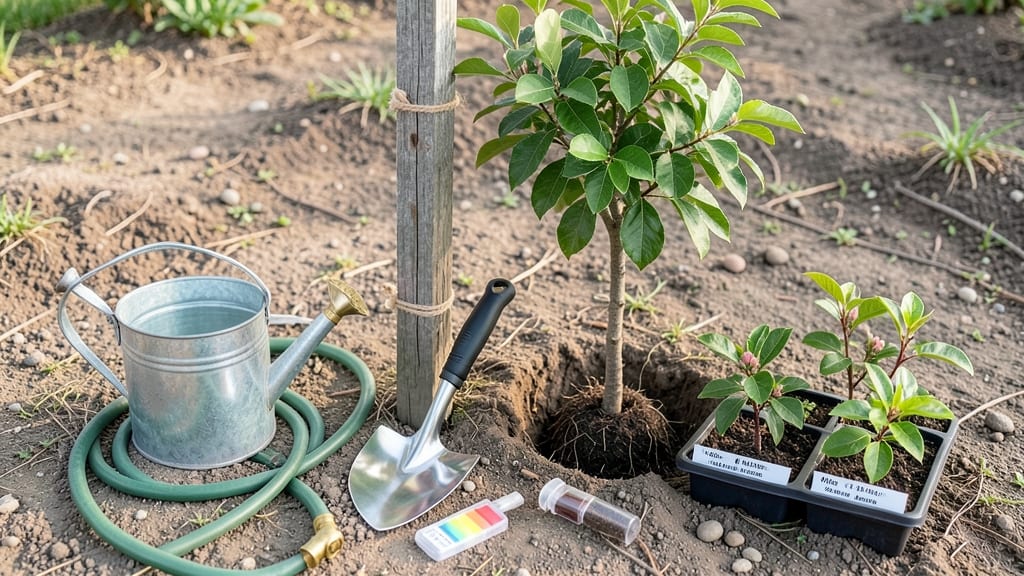
Timing your fruit tree planting in South Africa can mean the difference between a thriving orchard and years of frustration. Whether you're dreaming of juicy citrus in the Western Cape or sweet peaches in KwaZulu-Natal, getting the seasons right is the key to success.
With South Africa's diverse climate zones, there's no one-size-fits-all answer. Summer-rainfall regions like the Eastern Cape demand different timing than winter-rainfall areas like Limpopo. I'll break down exactly when to plant your 🌱 fruit trees in each region to maximize growth and minimize risks like frost damage.
You might be surprised to learn that planting too early or late can stunt your tree's development for years. The best months vary dramatically depending on whether you're growing frost-sensitive citrus or hardier stone fruits.
Let me show you how to match your planting schedule with your local conditions for optimal results.
From soil preparation to post-planting care, I'll cover all the essentials so you can confidently start your fruit tree journey. Whether you're a first-time gardener or an experienced grower, these insights will help you avoid common mistakes and set your trees up for a bountiful harvest.
Optimal planting months for fruit trees by South Africa’s climate zones
South Africa’s diverse climate zones mean there’s no one-size-fits-all answer for planting fruit trees. The country’s summer-rainfall regions (like KwaZulu-Natal) and winter-rainfall areas (like the Western Cape) have opposite planting seasons.
Even within regions, coastal microclimates can delay frost or extend growing windows. Understanding these zones is your first step to success.
For summer-rainfall areas (where most rain falls Dec-Feb), plant during autumn (March-May) when soil moisture is ideal. This gives roots time to establish before summer rains. In winter-rainfall zones (like the Western Cape), aim for late winter to early spring (August-September) when frost risk recedes and rains taper off.
Citrus trees thrive in summer-rainfall zones like KwaZulu-Natal and Mpumalanga, while stone fruits (peaches, plums) prefer winter-rainfall areas such as the Western Cape or Eastern Cape. Avocados need frost-free conditions, making them ideal for coastal regions with planting windows from September to November.
🌱
| Climate Zone | Best Planting Months | Key Fruit Trees | Critical Factor |
|---|---|---|---|
| Summer-Rainfall (KZN, Mpumalanga) | March-May | Citrus, Mango, Avocado | Soil moisture retention |
| Winter-Rainfall (Western Cape) | August-September | Peaches, Plums, Pears | Frost-free guarantee |
| Coastal (Garden Route) | September-November | Avocado, Guava, Litchi | Humidity management |
| Highveld (Pretoria, Johannesburg) | April-May | Stone Fruits, Apples | Altitude adjustments |
In summer-rainfall zones, planting in autumn ensures roots establish before summer’s heavy rains. I’ve seen citrus trees planted in April in KwaZulu-Natal thrive spectacularly because the soil stays moist without waterlogging.
For winter-rainfall areas, wait until late winter when frost risk drops below 5°C—this is critical for stone fruits like peaches.
Coastal regions like the Garden Route offer extended planting windows from September to November due to milder temperatures. However, avocado trees here need protection from windburn—plant them near windbreaks or use netting during summer.
The Highveld (like Pretoria) has cooler nights, so planting in April-May gives trees time to harden off before winter.
Always check your local agricultural extension office for microclimate specifics. For example, Durban’s coastal areas can plant 2 weeks earlier than inland Pietermaritzburg due to ocean temperature moderation. This precision makes all the difference between a thriving orchard and a struggling sapling.
Pro tip: Use container-grown trees if your local nursery doesn’t stock bare-root varieties. These can be planted anytime soil isn’t frozen, giving you flexibility in unpredictable frost years. Just ensure the root ball stays intact and water deeply after planting.
🌿
Critical factors that determine your fruit tree planting success (beyond just months)
South Africa’s diverse climates mean planting months aren’t the only factor—soil, frost, and tree type play equally critical roles. For example, citrus trees thrive in well-draining soil but wilt if planted during drought, while stone fruits need frost-free winters to set fruit.
Ignoring these details can turn your bountiful harvest dreams into wasted effort.
First, check your soil type. Sandy soils dry out fast, while clay holds too much moisture—both stress young roots. A simple soil test kit (R50 at garden centers) reveals pH and drainage.
Most fruit trees prefer slightly acidic soil (pH 6.0–6.5), but avocados and macadamias tolerate acidic soil (pH 5.0–6.0). Amend heavy clay with compost or sand, and sandy soils with organic matter like leaf mold.
Frost sensitivity is another game-changer. Regions like the Highveld (e.g., Pretoria, Bloemfontein) experience light frosts (below 0°C), which can kill tender trees like mangoes or guavas. Always plant these in microclimates—near walls or slopes that trap heat. Hardier trees like peaches or plums handle moderate frosts (-2°C to -5°C), making them ideal for winter-rainfall areas.
Never plant tropical fruit trees (e.g., citrus, avocado) in areas with frost warnings. Even young trees can suffer root damage if exposed to below-freezing temps. Use frost cloth in early spring if late frosts are predicted.
Water availability is often overlooked. Drought-tolerant trees like pears or loquats need less water than water-demanding varieties like mangoes or lychees. In summer-rainfall regions, plant during autumn (March–May) to align with natural rainfall. For winter-rainfall areas, prioritize spring planting (August–September) when reservoirs are full.
Tree maturity matters too. Bare-root trees (cheaper but dormant) must be planted immediately after purchase—delaying risks root desiccation. Container-grown trees, however, are established and can be planted year-round, though spring or autumn gives them time to acclimate before extreme weather.
Always remove the container and loosen roots before backfilling with compost-amended soil.
Lastly, pest pressure varies by season. Planting in peak pest months (e.g., December–February for fruit flies) invites infestations. Use organic sprays like neem oil or physical barriers (netting) to protect young trees. A little extra prep now saves years of frustration** down the line.