Trees
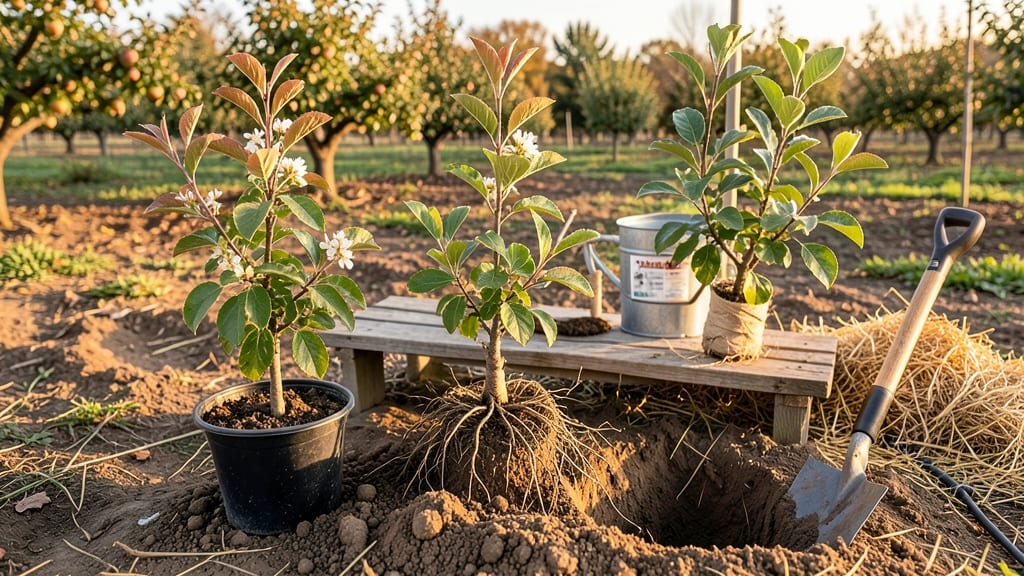
Timing your fruit tree planting in Virginia could mean the difference between a thriving orchard and years of disappointment. The right window—whether late winter or fall—lets your 🍎 establish deep roots before Virginia’s unpredictable frosts strike, setting you up for decades of harvests.
Most gardeners in zones 6a-8a swear by fall planting (October-November), when soil stays warm but temperatures drop enough to encourage root growth without stressing the tree. But spring planting (February-April) works too, especially for container-grown varieties that need to avoid winter’s harshest chill.
Here’s the game-changer: bare-root trees planted in dormancy (late winter) outperform container-grown ones in Virginia’s humid climate, thanks to fewer transplant shocks. Yet if you miss that window, don’t panic—container-grown trees can go in almost year-round, with a few critical exceptions.
We’ll break down the exact frost-free deadlines for your zone, which fruit trees thrive where, and how to prep soil for maximum success. Let’s get those roots growing the smart way.
Virginia’s frost-free deadlines & best planting months by hardiness Zone
Virginia spans USDA Hardiness Zones 6a-8a, meaning frost dates vary dramatically from the Coastal Plain to the Blue Ridge Mountains. Planting your fruit tree outside these windows risks frost damage or heat stress, so let’s break it down by zone.
Most nurseries sell bare-root trees in late winter and container-grown trees year-round, but timing matters.
For bare-root trees, aim to plant between late November and early March—before buds swell. Container-grown trees offer more flexibility, but avoid planting during extreme heat (July-August) or freezing temps (December-February).
Virginia’s last average frost date hovers around March 15, while the first frost typically arrives by November 15, though mountain regions can see frost as early as October 15.
📅 Key Deadlines by Zone:
| Zone | Last Frost | Best Planting Window | Bare-Root Deadline | Container-Grown Flex |
|---|---|---|---|---|
| 6a (Mountains) | March 1 | Oct 15–Nov 15 | Nov 15–Mar 15 | Mar 15–May 15 |
| 7a (Piedmont) | March 15 | Oct 1–Nov 30 | Nov 1–Mar 31 | Mar 15–Jun 1 |
| 7b (Coastal Plain) | March 20 | Sep 15–Dec 15 | Nov 1–Apr 15 | Mar 20–Jun 15 |
| 8a (Tidewater) | March 25 | Oct 1–Dec 31 | Nov 1–Apr 30 | Mar 25–Jul 1 |
In Zone 6a (mountains), like Roanoke or Blacksburg, the ground can freeze solid by December, so plant bare-root trees by November 15 to avoid root damage. Zone 7a (Piedmont), covering Richmond or Charlottesville, offers a longer window—ideal for fall planting in October-November or early spring in March-April.
For Coastal Plain zones (7b-8a), including Norfolk or Virginia Beach, milder winters let you plant container-grown trees year-round, but avoid July-August heat stress. My top tip: Check your local Cooperative Extension for microclimate tweaks—urban areas like Arlington can be 5°F warmer than rural spots.
If you miss the fall window, spring planting is your backup, but rush to get trees in the ground before buds break (usually by April 15).
For container-grown trees, you can plant as late as June 1 in most zones, but water deeply and mulch heavily to protect roots during summer’s heat.
Pro move: Use mulch rings (4–6 inches thick) to insulate roots in winter and retain moisture in summer. This is especially critical for young trees, which lack deep root systems to regulate their own temperature.
🌱
Chill-hour requirements: matching fruit trees to Virginia’s climate zones
Virginia’s chill-hour requirements vary dramatically from the Coastal Plain to the Mountains, making tree selection critical. Most fruit trees need 200–1,000 chill hours—the number of hours below 45°F they experience yearly.
Planting a peach tree in Zone 7a without enough chill hours? You’ll get poor pollination and fruit drop.
For example, apple trees thrive in Virginia’s higher-elevation zones (6b–7b) with 600–800 chill hours, while figs and persimmons (low-chill varieties) do well in Zone 8a’s milder winters. Let’s match trees to your zone’s chill hours to ensure healthy blooms and abundant fruit.
| Zone | Avg. Chill Hours | Best Fruit Trees | Avoid These Trees |
|---|---|---|---|
| 6a–6b (Mountains) | 800–1,000+ | Apple, Pear, Sweet Cherry, Sour Cherry | Peach, Nectarine (low chill) |
| 7a–7b (Piedmont) | 600–800 | Apple, Peach, Pear, Plum, Fig (low-chill) | Sweet Cherry (needs more chill) |
| 8a–8b (Coastal Plain) | 200–400 | Fig, Persimmon, Low-Chill Peach, Loquat | Standard Apple, Sweet Cherry |
If you’re in Zone 7a, opt for ‘Elberta’ peaches (500–600 chill hours) over ‘Redhaven’ peaches (900+ chill hours). For Zone 8a, ‘Celeste’ figs (200–300 chill hours) are a low-maintenance winner. Always check the chill-hour range on the tree tag—it’s non-negotiable for fruit production!
Pro tip: Microclimates matter! A south-facing slope in Zone 7a might add 100+ extra chill hours compared to a valley floor. Observe your yard’s frost patterns for 3 years before planting to avoid surprises.
For container-grown trees, chill hours are less critical since you can move them to cooler microclimates in winter. But bare-root trees planted in fall? They’re stuck in your yard’s chill zone—so plan accordingly. Mulch heavily in winter to protect roots from temperature swings.
Remember: Chill hours ≠ cold tolerance. A tree might survive Zone 6a winters but still need 800 chill hours to fruit. Always cross-reference chill hours with your last frost date—planting too early can stress trees before they’re ready to break dormancy. 🌱