
Planting
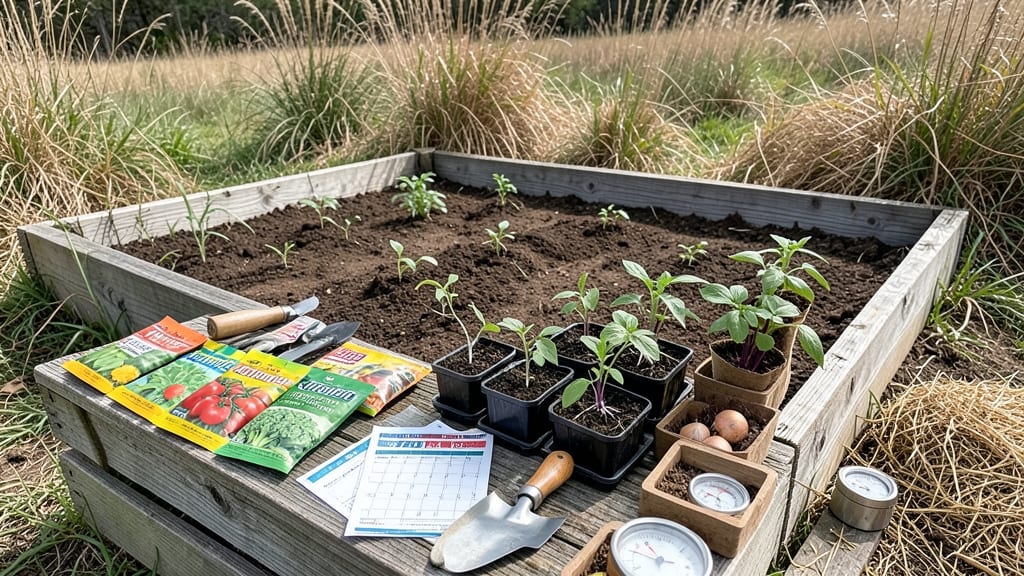
Timing when to plant a garden in Nebraska 🌱 just right can mean the difference between a thriving harvest and wasted effort—especially when Nebraska’s 5a-6b zones bring unpredictable frost dates that catch even experienced gardeners off guard.
You’ve probably heard the rule about planting after the last frost, but in Nebraska, where spring can swing from 30°F to 70°F in a week, that advice alone won’t cut it.
The key is knowing your exact microclimate—whether you’re in the cooler eastern plains or the warmer western panhandle—and adjusting your schedule accordingly.
In this guide, I’ll break down the exact planting windows for every major crop, from cool-season greens to heat-loving tomatoes, so you can start seeds and transplants with confidence. No more guessing games or lost seasons!
Let’s dive into the frost-free dates and crop-specific timelines that will finally give your Nebraska garden the head start it deserves.
Nebraska planting zones & frost-free dates by region (2024 guide)
Nebraska’s USDA Hardiness Zones 4b-6a create a diverse planting landscape, from the humid eastern plains to the drier western panhandle. Understanding your last frost dates is critical—planting too early risks frost damage, while waiting too long shortens the growing season.
Most of Nebraska experiences its average last frost between April 15-30, but microclimates can shift this by 1-2 weeks.
For example, Lincoln (Zone 5b) typically sees its last frost around April 20, while Scottsbluff (Zone 6a) in the panhandle may warm up by April 10. These variations mean your planting window could be a 3-week difference across the state.
Always check local Almanac records or use a soil thermometer to confirm when temperatures consistently stay above 50°F (10°C).
🌱 Nebraska Planting Zones & Frost Dates (2024)
| Region | USDA Zone | Avg. Last Frost | Avg. First Frost | Growing Season |
|---|---|---|---|---|
| Eastern Nebraska (Omaha, Lincoln) | 5b | April 20 | October 10 | 170 days |
| Central Nebraska (Kearney, Hastings) | 5a | April 25 | October 5 | 160 days |
| Western Nebraska (Scottsbluff, North Platte) | 6a | April 10 | October 20 | 190 days |
| Panhandle (Chimney Rock, Alliance) | 5a/6a | April 5 | October 25 | 200 days |
💡 Pro Tip: Urban areas like Omaha may experience 2-3°F warmer microclimates due to concrete and buildings. Adjust planting dates accordingly!
Knowing your first frost dates is equally important for fall planting. Most of Nebraska sees its first frost between October 5-25, leaving a 6-8 week window for cool-season crops like kale, spinach, and carrots.
In Zone 6a (western Nebraska), you can often push this to November 1 with row covers or cold frames.
For warm-season crops like tomatoes and peppers, wait until soil temperatures reach 60°F (15°C)—a soil thermometer is your best tool. In eastern Nebraska, this might mean mid-May, while western areas can start as early as late April.
Always monitor 7-day forecasts for late frosts, especially in Zone 5a.
If you’re new to Nebraska gardening, start with cool-season crops like lettuce, peas, and radishes in early spring. These tolerate light frosts and give you confidence before planting heat-loving crops like beans and squash. For perennials, plant in early fall (September) to establish roots before winter.
Urban gardeners in cities like Lincoln or Omaha may face heat islands—areas that stay 5-10°F warmer than rural zones. If your garden is surrounded by pavement or buildings, consider shade cloth for delicate plants or opt for drought-tolerant varieties like zucchini or Swiss chard.
For container gardening, which is popular in Nebraska’s windy plains, adjust planting dates by 1-2 weeks earlier since containers warm up faster. Use black plastic pots to absorb heat and extend your growing season by 2-3 weeks in spring and fall.
Always keep a gardening journal to track your local frost dates—Nebraska’s climate shifts yearly. Over time, you’ll refine your planting schedule to match your specific microclimate, whether you’re in humid southeast Nebraska or the arid panhandle.
🌱
Best planting timeline for Nebraska vegetables & flowers (by crop type)
Nebraska’s growing season is short but sweet—knowing exact planting windows for each crop maximizes your harvest. Warm-season tomatoes and peppers need consistent warmth, while spinach and kale thrive in cooler temps. I’ll break it down by crop type so you can plan with confidence.
Start with cool-season crops like lettuce and peas in early spring (March-April) or late summer (August-September) for a fall harvest. These hardy plants tolerate light frosts, making them ideal for Nebraska’s unpredictable spring.
For warm-season crops, wait until after the last frost (mid-May in most areas) to plant tomatoes, beans, and squash.
🌱 Nebraska Planting Timeline by Crop Type
- 🌱 Cool-Season Crops (March-April, August-September): Lettuce, Spinach, Kale, Peas, Broccoli, Carrots
- ☀️ Warm-Season Crops (Mid-May to July): Tomatoes, Peppers, Corn, Cucumbers, Beans, Squash
- 🌼 Flowers (April-June, July-August): Marigolds, Sunflowers, Zinnias, Petunias, Snapdragons
💡 Pro Tip: Use succession planting for fast-growing crops like radishes or lettuce—sow new seeds every 2 weeks for continuous harvests.
For flowers, early bloomers like marigolds and pansies can handle light frosts, so plant them in April. Wait until June for heat-loving varieties like sunflowers and zinnias, which need stable soil temps above 55°F.
I always plant my sunflowers after Memorial Day to avoid late frosts.
Nebraska’s drought-prone summers demand extra care for warm-season crops. Mulch heavily after planting to retain moisture, and consider drip irrigation for tomatoes and peppers. These crops also benefit from hardening off transplants—acclimate them to outdoor conditions over 7-10 days before final planting.
Don’t overlook fall planting for crops like radishes and kale, which mature quickly in cool September weather. Aim to plant these 6-8 weeks before the first frost (mid-October)asparagus or rhubarb, plant crowns in early spring so roots establish before summer heat arrives.
Use this month-by-month guide as your planting calendar, but always check soil temps with a soil thermometer—50°F is ideal for cool-season crops, while 60°F+ is needed for warm-season staples. Adjust dates by 1-2 weeks if your area has early/late frosts.