
Plants
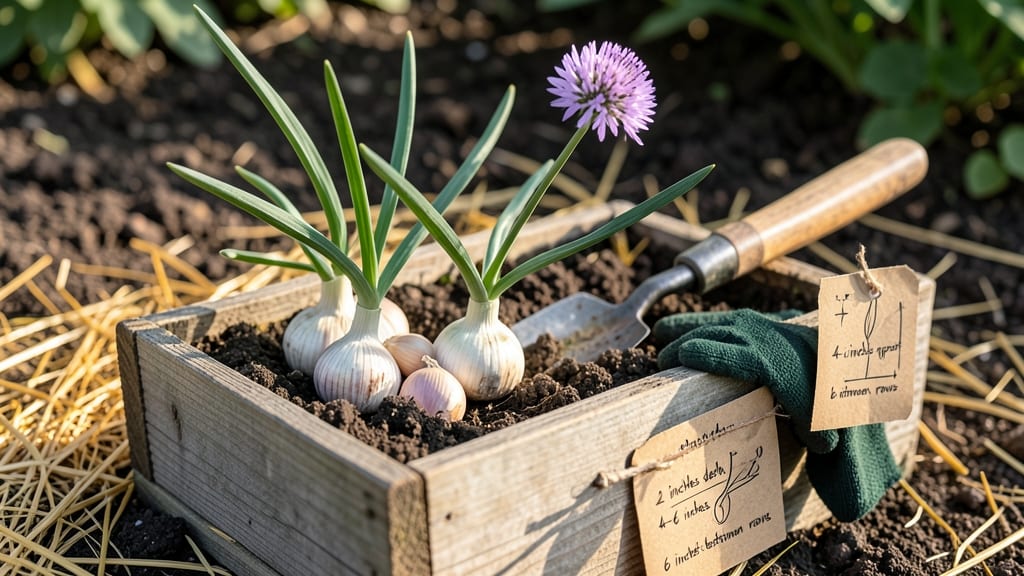
If you're asking "when to plant garlic in 6b", timing is everything—and getting it wrong could mean tiny bulbs or no harvest at all.
Zone 6b gardeners know the stakes: plant too early, and your 🧄 might bolt before forming proper bulbs; plant too late, and winter’s chill could stunt growth.
The sweet spot for fall planting falls between October and November, when soil temps dip below 50°F but before the ground freezes solid. This window ensures garlic roots establish before dormancy, setting the stage for a bigger, flavorful harvest next summer.
But here’s the catch: Northern 6b regions (like upstate New York) have earlier frosts than Southern 6b (like parts of Tennessee). We’ll break down the exact month-by-month schedule so you can adjust based on your microclimate—because even a week’s difference matters.
Once you nail the timing, we’ll cover soil prep, variety choices (hardneck vs. softneck), and how to avoid the dreaded bolting. Let’s get your garlic off to the best possible start.
Optimal planting months for garlic in zone 6B to prevent bolting
In Zone 6B, the best time to plant garlic is a narrow window between mid-October and mid-November. This timing ensures garlic roots establish before winter dormancy, while avoiding the risk of premature bolting—when garlic sends up a flower stalk instead of forming bulbs.
The key is planting when soil temperatures drop below 50°F (10°C) but before the ground freezes solid.
Why this window? Garlic needs cold stratification to develop flavorful bulbs, but too much warmth in early fall can trigger bolting. For example, planting in September might work in Southern 6B (like Nashville), but Northern 6B (like Syracuse) risks bolting due to lingering warmth.
Aim for 4-6 weeks before your first hard frost—this is your golden rule.
Soil temperature is your best indicator. Use a soil thermometer to confirm temps are consistently below 50°F (10°C) at a 4-inch depth. In most of Zone 6B, this happens in late October to early November.
If you plant too late (e.g., December), bulbs may not mature fully before summer heat arrives.
| Month | Soil Temp Requirement | Zone 6B Frost Risk | Bulb Development |
|---|---|---|---|
| Mid-October | 50–60°F (10–15°C) | Low (first frost ~Nov 15) | Roots establish; minimal bolting risk |
| Late October | 40–50°F (4–10°C) | Moderate (frost possible) | Optimal bulb size; hardneck varieties thrive |
| Early November | 32–40°F (0–4°C) | High (frost likely) | Smaller bulbs; risk of winter kill if ground freezes |
| December | Below 32°F (0°C) | Very High | Not recommended; bulbs may not mature |
🌱 Pro Tip: Hardneck varieties (like Music or German White) handle Zone 6B cold better than softnecks.
Regional variations matter in Zone 6B. In Northern 6B (e.g., Michigan’s Upper Peninsula), aim for late October to avoid early frosts. In Southern 6B (e.g., Alabama), you might push to early November due to milder winters. Check your last frost date—planting 6 weeks before ensures roots establish before dormancy.
If you miss the fall window, spring planting is possible but risky. Plant cloves in late winter (February) when soil is workable but not yet warm.
However, spring-planted garlic often bolts early and produces smaller, less flavorful bulbs. Save spring planting for green garlic (harvest young shoots) rather than bulb garlic.
Once you’ve picked your month, prep the soil with compost and a balanced fertilizer (5-10-10). Garlic prefers well-draining soil with a pH of 6.0–7.0. Plant cloves 2 inches deep, pointed end up, and space them 4–6 inches apart in rows 12 inches apart.
Mulch with straw or leaves to insulate roots through winter.
After planting, water lightly to settle soil, then let nature take over. Garlic is drought-tolerant once established, but avoid waterlogging—1 inch of water per week is ideal.
In spring, watch for bolting signs (tall flower stalks) and adjust care if needed. With the right timing, you’ll harvest plump, flavorful bulbs in June or July.
Remember: Zone 6B garlic thrives on patience. The fall planting window is short, but nailing it ensures a harvest worth the wait. Mark your calendar now—your 2025 garlic crop depends on it! 🧄
Optimal planting months for garlic in zone 6B to prevent bolting
In Zone 6B, the best time to plant garlic is between mid-October and November, when soil temperatures drop below 50°F. This timing ensures roots establish before winter dormancy, preventing bolting (premature flowering) and maximizing bulb size.
Northern 6B areas (like Ithaca, NY) should aim for early November, while Southern 6B (like Nashville, TN) can plant until late November.
Garlic needs 4-6 weeks of cool soil before freezing to trigger bulb formation. Planting too early (September) risks bolting, while planting too late (December) may stunt growth. Use a soil thermometer to confirm temps are 40-50°F at planting depth (2-3 inches).
Here’s how to adjust for your microclimate:
| Month | Soil Temp | Best For | Notes |
|---|---|---|---|
| October (Mid) | 50-60°F | Northern 6B | Ideal for early frost areas |
| November (Early) | 40-50°F | Southern 6B | Avoid planting after first frost |
| December (Early) | Below 40°F | Mild winters only | Risk of poor bulb formation |
For hardneck garlic (best for Zone 6B), aim for October 15–November 15. Softneck varieties can tolerate slightly later planting but still need 4-6 weeks of cool soil. Mulch with 4-6 inches of straw after planting to insulate roots and prevent heaving.
Pro tip: Use last frost dates as a guide. Plant garlic 6-8 weeks before your area’s first hard frost (usually mid-November in 6B). This ensures roots establish but bulbs don’t start growing until spring.
After planting, avoid disturbing the soil until spring. In early spring, remove mulch to allow sunlight to warm the soil and stimulate growth. By June, you’ll see green shoots—a sign your garlic is thriving for next summer’s harvest!