
Plants
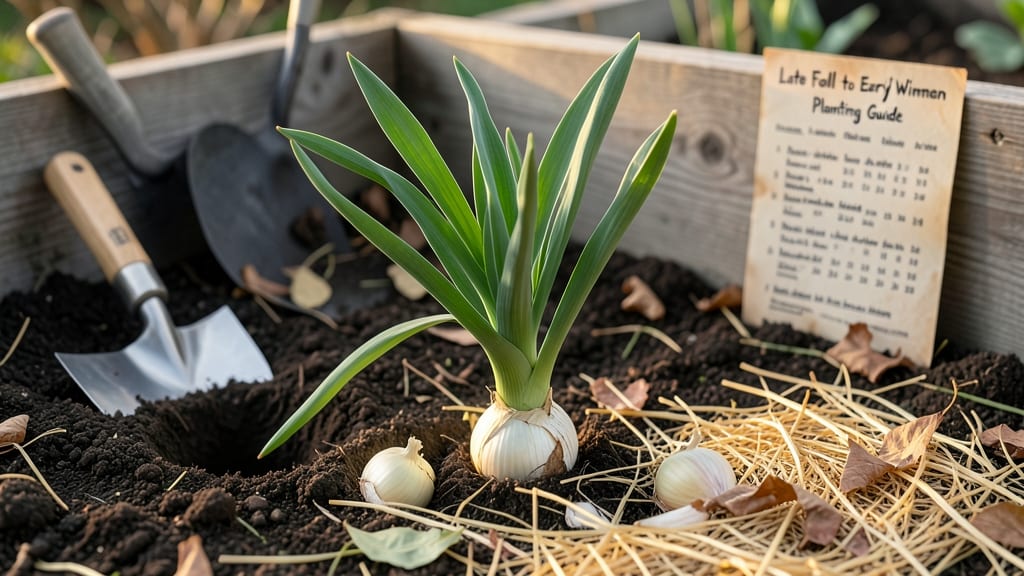
Planting garlic at the wrong time in Connecticut can mean the difference between a bumper crop and a total flop—but getting it right is easier than you think.
With mid-October to early November as your sweet spot, you’ll give those 🧄 bulbs the cold snap they need to develop properly before winter sets in.
Here’s the thing: Connecticut’s Zone 5b-6b climate demands precision. Plant too early, and your garlic might bolt before harvest. Too late, and it won’t establish strong roots before the ground freezes.
The key is timing it so your cloves get 6 weeks of cool soil before winter fully arrives—no guesswork needed.
I’ll walk you through exactly what to do, from choosing the right variety (hardneck vs. softneck) to prepping your soil and mulching for success.
Whether you’re a first-timer or a seasoned gardener, these steps will help you avoid common mistakes and grow garlic that’s sweeter and more flavorful than anything you’ve bought.
Ready to turn your fall garden into next summer’s garlic stash? Let’s get started with the one simple rule that’ll make all the difference.
Best fall planting window for Connecticut garlic growers
Timing your garlic planting is critical for Connecticut’s Zone 5b-6b climate, where cold winters and unpredictable springs demand precision. The ideal window is mid-October to early November, giving bulbs time to root before the ground freezes—typically mid-November.
Planting too early risks bolting (premature flowering), while late planting may stunt bulb growth.
Connecticut’s microclimates matter: Coastal areas like New Haven may have milder winters, allowing a slightly later window, while inland zones like Hartford need earlier planting. Aim for 4-6 weeks before the first hard frost—use your local USDA frost calendar as your guide.
For hardneck varieties (like ‘German White’), which thrive in cold winters, plant by October 15th. Softneck varieties (like ‘Silverskin’) can tolerate slightly later planting but still need 6 weeks before frost. Check soil temps—40-50°F is ideal for planting.
Moon phases also play a role: Planting during the waning moon (after the full moon) encourages root growth. Connecticut’s first frost often arrives in mid-October, so don’t delay—soil prep should start in September to loosen earth and add compost.
If you miss the fall window, spring planting is possible but risky—garlic planted in March or April may bolt before bulbs mature. For best results, stick to fall planting and focus on soil health and mulching to protect overwintering cloves.
⚠️ PRO TIP: Use a soil thermometer to confirm temps—below 32°F means it’s time to mulch heavily with straw or leaves to insulate bulbs.
🌱 Connecticut Garlic Planting Summary
| Factor | Connecticut Specification | Key Notes |
|---|---|---|
| Best Planting Window | Mid-October to early November | 4-6 weeks before frost |
| Soil Temperature | 40-50°F | Use thermometer for accuracy |
| Hardneck Varieties | By October 15th | Cold-hardy, best for Zone 5b |
| Softneck Varieties | By late October | Milder zones, longer storage |
| Moon Phase | Waning moon | Encourages root growth |
| Mulch Depth | 4-6 inches | Straw or leaves for insulation |
After planting, mulch heavily with straw or leaves to protect cloves from freeze-thaw cycles.
In coastal Connecticut, where winters are milder, you might need less mulch—monitor soil temps to avoid rot. Spring care starts in March with light fertilization (5-10-10) to boost growth before harvest.
Harvest timing is late June to early July, when lower leaves yellow and bulbs feel firm. Don’t wait too long—overripe garlic splits easily. Connecticut’s humid summers mean morning watering is key to prevent fungal diseases like rust or white rot.
For zero-bolt success, prioritize fall planting, cold-hardy varieties, and proper mulching. With these steps, your Connecticut garlic will deliver bold flavor and plump bulbs year after year.
Best fall planting window for Connecticut garlic growers
Connecticut’s Zone 5b-6b climate gives you a 6-week window to plant garlic for the best results. Aim for mid-October to early November—this timing ensures your cloves establish roots before the ground freezes, while still getting enough cold to develop properly.
Planting too early (like September) risks bolting, while waiting past early November may leave your garlic underdeveloped for spring.
For hardneck varieties (like ‘German White’ or ‘Music’), this window is critical—they need cold to form bulbs. Softneck varieties (like ‘Silverskin’) are more flexible but still benefit from this timing.
Coastal areas may have slightly later windows due to milder microclimates, while inland spots should plant on the earlier side of the range.
Here’s the golden rule: plant when soil temps drop to 40-50°F—this triggers root growth without stressing the cloves. Use a soil thermometer if unsure, or follow the 4-6 weeks before ground freeze guideline. In Connecticut, that’s typically by mid-November, but check your local frost dates for precision.
| Planting Factor | Connecticut Specification |
|---|---|
| Ideal Planting Window | Mid-October to early November |
| Soil Temperature | 40-50°F (root zone) |
| Hardneck Varieties | Best for Zone 5b-6b winters |
| Softneck Varieties | More flexible timing |
| Moon Phase Tip | Plant during waning moon for root growth |
Don’t stress about moon phases—while some swear by planting during the waning moon for root development, the real priority is soil temperature. If you miss the ideal window, you can still plant into early December, but bulbs may be smaller.
For coastal areas like New London, extend your window by 1-2 weeks due to slower freezing.
Pro tip: Label your rows with the planting date—this helps track which cloves need extra care if spring arrives early. In Connecticut, March’s unpredictable thaws can trick garlic into bolting, so keep an eye on your plants and adjust mulch as needed to maintain consistent soil temps.
Once planted, mulch heavily (4-6 inches of straw or leaves) to insulate bulbs through winter. This protects against heaving (when soil freezes and expands) and keeps roots cool. By late spring, you’ll see strong shoots—proof your timing paid off! 🌱