
Planting
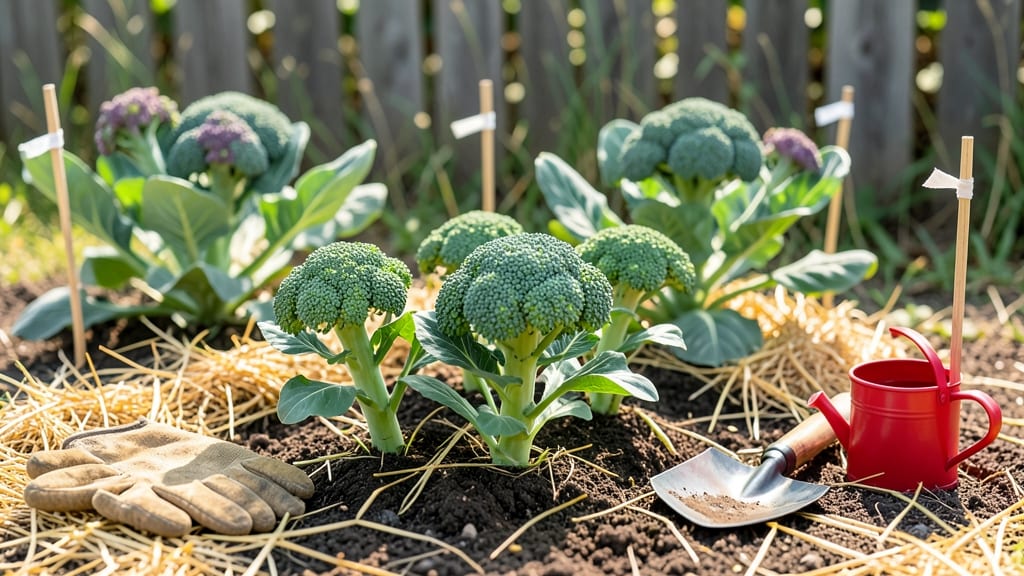
Knowing when to plant fall garden vegetables in Zone 7 could mean the difference between a bountiful harvest and wasted effort. With the right timing, you can still enjoy fresh produce long after summer fades—even if you missed the spring planting rush.
Zone 7’s mild winters and warm summers create the perfect conditions for a second growing season. The key is starting your 🥕 fall garden vegetables 8-10 weeks before the first frost (usually around mid-November). This gives heat-loving crops like tomatoes and peppers enough time to mature before cold sets in.
But timing isn’t the only factor—soil prep, crop selection, and avoiding common mistakes are just as critical. I’ll break down exactly what to plant, when to plant it, and how to maximize your yield so you can enjoy homegrown goodness well into winter.
Ready to transform your garden into a fall harvest goldmine? Let’s get started with the essential steps to make your late-season planting a success.

Fall planting timeline in Zone 7: exact dates for heat-tolerant crops
Zone 7 gardeners have a golden window to plant a fall garden—just 8-10 weeks before your first frost (typically around November 15). This means starting in mid-to-late July for heat-loving crops like tomatoes and peppers, while cooler-tolerant greens can go in as late as early October.
The key is aligning your planting schedule with soil temperatures and mature harvest times before winter chill sets in.
For example, if you're in Richmond, VA, your last frost date is usually November 15, so you’d plant heat-loving crops like sweet potatoes by July 15 to harvest before frost. Meanwhile, kale or spinach can wait until September 1 for a late-season harvest.
The trick is to avoid planting too early—overly hot soil can stunt seedlings, while planting too late risks frost damage before maturity.
Here’s the breakdown of your Zone 7 fall planting timeline, tailored to your region’s average frost dates and crop needs:
| Planting Window | Crops to Plant | Days to Maturity | Soil Temp Requirement |
|---|---|---|---|
| Mid-July to Early August | Tomatoes, Peppers, Eggplant, Sweet Potatoes | 60–90 days | 60°F+ |
| Late July to Mid-August | Beans, Corn, Cucumbers, Summer Squash | 50–70 days | 55°F+ |
| Early to Mid-August | Broccoli, Cabbage, Cauliflower, Brussels Sprouts | 60–80 days | 50°F+ |
| Late August to Early September | Kale, Spinach, Lettuce, Collards | 30–50 days | 45°F+ |
| Early to Mid-September | Radishes, Turnips, Arugula, Green Onions | 20–40 days | 40°F+ |
Pro tip: Use succession planting for fast growers like radishes or lettuce—sow new seeds every 2 weeks in September to extend your harvest into October. This ensures you’re always picking fresh produce, even as temperatures drop.
For example, if your first batch of radishes matures in 30 days, plant a second batch 2 weeks later to keep the harvest going.
If you’re a late starter and miss the July window, don’t panic! Focus on cool-season crops like broccoli or kale, which can handle soil temps as low as 45°F.
Plant these by early September for a harvest before frost. Just avoid frost-sensitive crops like cucumbers or melons—they’ll bolt or rot in cool weather.
One common mistake is planting tomatoes or peppers too late—they need warm soil to germinate. If your soil is below 60°F, consider using a heat mat or starting seeds indoors in early July to transplant outdoors by mid-July.
For Zone 7’s hottest areas (like Atlanta), you might even squeeze in a second planting of beans or squash in early August for a late-summer harvest.
To stay on track, mark your calendar for these critical dates:
- July 15: Plant heat-loving crops (tomatoes, peppers, sweet potatoes).
- August 1: Sow fast growers (beans, cucumbers, summer squash).
- September 1: Transition to cool-season crops (kale, spinach, broccoli).
- October 1: Plant hardy greens (arugula, radishes, green onions) for a late harvest.
Remember, soil temperature matters more than air temperature. Use a soil thermometer to confirm your soil is warm enough before planting. For example, tomato seeds need soil at 70°F+ to germinate, while kale seeds thrive in 50–60°F soil.
Adjust your planting dates based on your local soil conditions—some years, summer heat lingers longer, giving you extra time!
🌱
Fall planting timeline in Zone 7: exact dates for heat-tolerant crops
Timing is everything when it comes to planting a fall garden in Zone 7. Since Zone 7 typically experiences its first frost around mid-November, you’ll want to start planting heat-tolerant crops like tomatoes, peppers, and beans about 8-10 weeks before that date.
This means your planting window opens in late July or early August, depending on your exact location within Zone 7.
For example, gardeners in Richmond, VA or Raleigh, NC can begin planting in early August, while those in Atlanta, GA might start a bit earlier in late July. The key is to calculate your local frost date and work backward from there.
If you’re unsure, check your local USDA Plant Hardiness Zone Map or use a frost date calculator for precise timing.
📅 Zone 7 Fall Planting Timeline
| Month | Planting Window | Best Crops to Plant | Days to Maturity |
|---|---|---|---|
| Late July | Early August | Tomatoes, Peppers, Beans, Sweet Potatoes | 60-90 days |
| Early August | Mid-September | Kale, Broccoli, Collards, Carrots | 45-75 days |
| Late August | Early October | Spinach, Lettuce, Radishes, Turnips | 30-60 days |
| Early September | Mid-October | Garlic, Onions, Winter Squash | 90-120 days |
Adjust planting dates based on your specific frost date and crop maturity requirements.
If you’re a late starter, don’t panic! You can still squeeze in a fast-growing fall garden by focusing on quick-maturing varieties like radishes, lettuce, and bush beans.
These crops can be planted as late as early October and still provide a harvest before frost. Just be sure to choose cold-hardy varieties that can tolerate cooler temperatures.
Another pro tip: Use row covers or cold frames to extend your growing season. These protective layers can push back frost by 2-4 weeks, giving you extra time to enjoy fresh produce. Just
Finally, always keep an eye on your soil temperature. Most fall crops prefer soil temps between 60-75°F. If your soil is still too warm, wait a few days before planting to avoid stressing your seedlings. A simple soil thermometer can help you monitor conditions and make informed decisions.
With the right timing and a little planning, your Zone 7 fall garden can be just as productive as your spring planting—if not more so! 🌱