
Plants
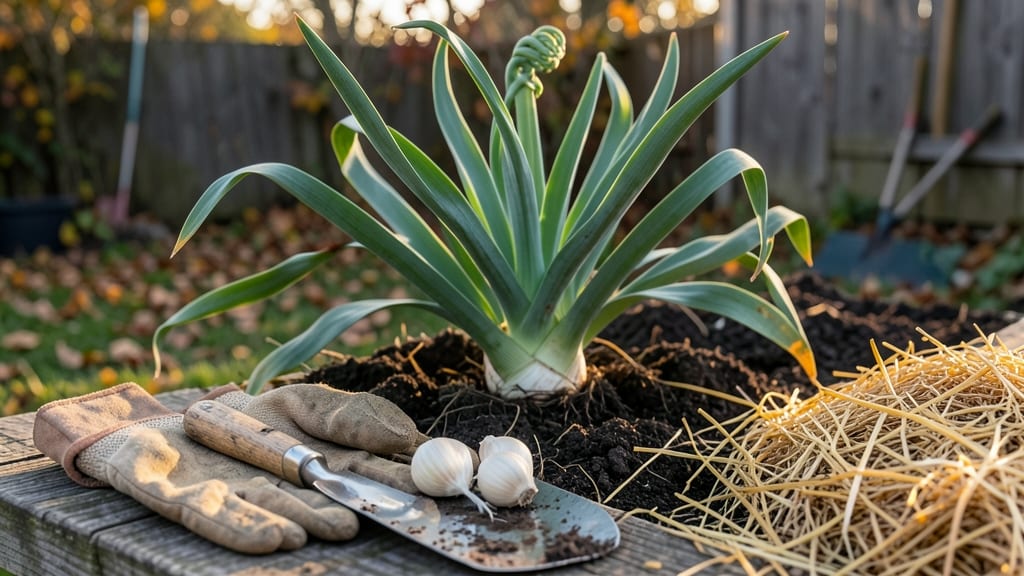
Planting your 🧄 garlic at the wrong time in North Carolina can turn your dream harvest into a bitter disappointment—think weak bulbs or worse, bolting before you even get to taste them.
But here's the good news: timing it right guarantees flavorful, robust harvests that'll make your kitchen (and your neighbors) jealous.
For North Carolina gardeners in zones 7a-8b, the perfect window is October to November, when soil temperatures drop and days grow shorter. This isn't just about dates—it's about giving your garlic the ideal conditions to establish roots before winter's chill sets in.
Miss this window, and you risk bolting (those unwanted flower stalks) or stunted growth.
I'll break down exactly when to plant based on your region—whether you're in the cooler mountains or warmer coastal plains—and share the key tricks to prevent bolting. You'll learn how to read your soil, adjust for microclimates, and even troubleshoot if you've already missed the mark.
Let's get your garlic off to the best start possible.
By the end, you'll know not just when to plant, but how to set your garlic up for success—so you're harvesting plump, flavorful bulbs by late June instead of scraps. Ready to grow garlic like a pro?
North Carolina garlic planting deadlines by region: when to start for zero-bolt success
North Carolina's diverse climate zones—from the cool Mountains to the milder Coastal Plain—mean your garlic planting window can vary by 4-6 weeks. Missing these deadlines risks bolting (premature flowering) or stunted bulbs. Let's break down the exact timing for each region to ensure bold, flavorful harvests next summer.
For hardneck varieties (like Music or Silverskin), plant 4-6 weeks before the first hard frost. Softnecks (like Artichoke) have slightly more flexibility but still need cool soil to establish roots. The key? Soil temperatures below 60°F—this triggers root growth before winter dormancy.
Here’s your region-specific planting timeline with exact dates to avoid bolting:
Pro tip: Use a soil thermometer to confirm temps are below 60°F before planting. If your soil is still warm, wait 1-2 weeks—rushing leads to bolting by summer. For the Mountains, aim for October 1; in the Coastal Plain, November 1 is your sweet spot.
Hardneck varieties like Chesnok Red thrive in NC’s cooler zones, while softnecks (like Silver White) handle the warmer Coastal Plain better. Mixing varieties? Plant hardnecks in the Mountains and softnecks near the coast for year-round harvest flexibility.
Missed the window? Don’t panic—you can still plant garlic in January for a smaller harvest, but expect bolting risks by June. The trade-off? Fresh scapes (flower stalks) for cooking if you harvest them early!
Mark your calendar: In Raleigh (Piedmont), the last frost is mid-November, so October 15–30 is prime time. In Asheville (Mountains), freeze arrives by mid-October, so plant by October 1 to avoid winter stress. Coastal areas like Wilmington can push planting to November 1 safely.
For extra insurance, cover newly planted garlic with straw mulch (3–4 inches) to insulate roots during NC’s unpredictable winters. This mimics the plant’s natural dormancy needs and prevents heaving (bulbs pushing out of soil).
Remember: Garlic needs 240–300 days to mature. Planting too late means bulbs won’t fully develop before summer heat triggers bolting. Use this table as your NC garlic planting GPS—follow it, and you’ll harvest plump, bold-flavored bulbs by July!
How to time your garlic planting for maximum bulb size in NC's climate
Timing your garlic planting isn't just about dates—it's about syncing with North Carolina's soil temperature and daylight hours. The magic happens when soil temps drop below 70°F and nights grow shorter, signaling your garlic to focus on root and bulb development instead of foliage.
In NC's 7a-8b zones, this typically means planting between mid-October and early November, but your exact window depends on whether you're in the cooler mountains or warmer coastal plains.
For maximum bulb size, aim to plant when your soil is 50-60°F—this chilly trigger kickstarts root growth before winter dormancy. Use a soil thermometer to check; if temps are still warm, wait another week.
Pro tip: In the Piedmont region, where microclimates vary wildly, planting in late October gives you the best balance of root establishment and winter protection.
Don't overlook the moon phases either! Planting during a waxing moon (when the moon is growing) encourages root development, while a waning moon can lead to leggy, weak growth. Check your local moon phase calendar and schedule your planting for the first quarter of the moon cycle for optimal results.
This old-school trick actually works—my hardneck garlic always produces larger bulbs when planted this way.
Adjust your planting depth based on your soil type—sandy soils need shallower planting (2 inches) to prevent drying out, while clay soils should get 3 inches of coverage. In NC's Coastal Plain, where soils can be heavier, deeper planting helps protect cloves from temperature swings.
Always plant the pointy end up (the root) and flat side down for straight, uniform growth.
Finally, account for your garden's microclimate. A south-facing bed warms up faster in spring, so you might plant 1-2 weeks earlier there. Shady spots or low-lying areas? Wait until late November to avoid premature sprouting.
The key is giving your garlic enough time to establish roots before winter slows everything down—but not so late that it starts bolting in spring.
With these timing tricks, your North Carolina garlic will develop plump, flavorful bulbs instead of skinny, pithy ones. And remember: the earlier you plant within the ideal window, the larger your harvest will be. That's science—and my personal garlic-growing secret! 🌱