
Plants
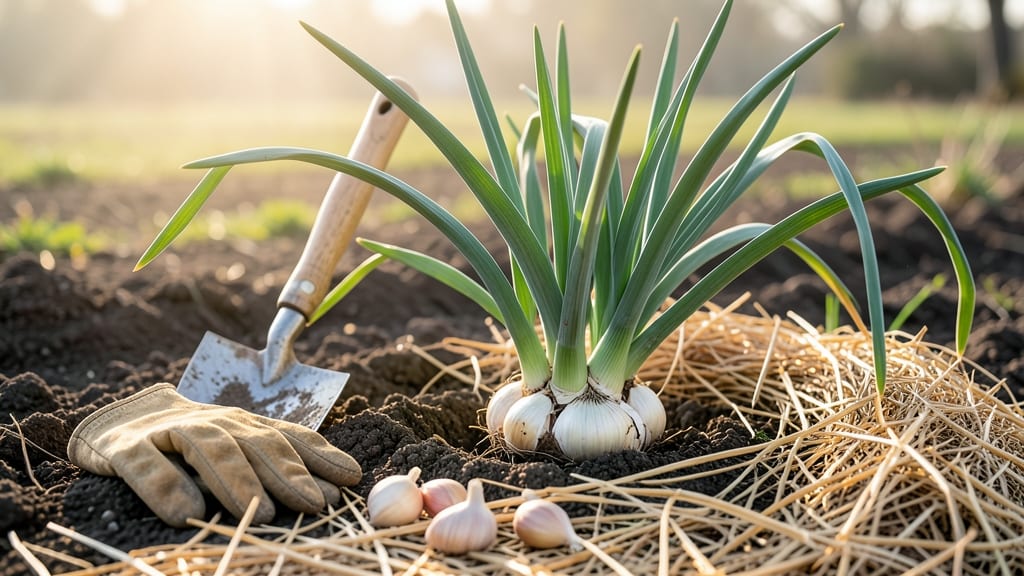
Timing your 🧄 garlic planting in West Virginia can make or break your harvest—get it wrong, and you’ll end up with bitter, bolted cloves instead of the plump, flavorful bulbs you crave.
Since WV’s 6a climate swings from chilly winters to warm summers, knowing exactly when to plant is the key to success.
Most gardeners in the Mountain State swear by fall planting between October and November, but why? Because garlic needs cold dormancy to develop properly, and WV’s frost dates (first around October 15) create the perfect window.
Plant too early, and the cloves might rot; too late, and they won’t establish strong roots before winter sets in.
In this guide, I’ll break down the perfect timing for your garlic patch, including soil prep tips and how to adjust for WV’s microclimates—whether you’re in the valleys or the higher elevations.
You’ll also learn how to avoid the dreaded bolting (when garlic flowers prematurely) and what to do if you miss the fall window entirely.
Ready to grow garlic that’s sweeter, bigger, and ready by late June? Let’s get started with the exact steps tailored for WV gardeners like you.
Best planting months for garlic in West Virginia’s climate zones
West Virginia’s diverse USDA zones (5b-7a) and mountain-to-valley climate shifts mean garlic planting timing varies dramatically.
In Zone 5b (northern WV), you’ll need to plant garlic 6-8 weeks before the first frost—typically by October 1st—while Zone 7a (southern WV) gardeners have until mid-November to get cloves in the ground.
The key is planting when soil temps drop to 40-50°F but before the ground freezes solid.
Hardneck varieties like ‘Music’ or ‘German White’ thrive in WV’s shorter growing season, while softneck types such as ‘Silverskin’ can handle slightly later plantings but risk smaller bulbs. Soil temperature probes (available at garden centers) are your best tool for precision—aim for 40°F at 4” depth.
If you’re in the Appalachian highlands, frost can arrive as early as mid-October, so don’t wait!
Here’s how to adjust your timing based on your WV location:
🌱 Northern WV (Zones 5b-6a): Plant September 20 - October 15 for hardneck varieties. Soil temps drop faster here, so act early.
🌱 Central WV (Zone 6b): Your window extends to October 31. This zone offers the most flexibility for both hardneck and softneck garlic.
🌱 Southern WV (Zone 7a): You can plant until November 15, but avoid planting after November 20—garlic needs 60-80 days of cold to form bulbs properly.
| Zone | Ideal Planting Window | Soil Temp Goal | Best Varieties |
|---|---|---|---|
| 5b (Northern WV) | September 20 - October 15 | 40-50°F at 4" | Hardneck: 'Music', 'German White' |
| 6a (Central WV) | September 25 - October 31 | 40-50°F at 4" | Hardneck or Softneck |
| 7a (Southern WV) | October 1 - November 15 | 45-55°F at 4" | Softneck: 'Silverskin', 'Artichoke' |
Pro tip: Use local frost date averages from the West Virginia State Climate Office to fine-tune your schedule. For example, Charleston (Zone 7a) averages its first frost on October 28, while Elkins (Zone 6a) sees frost by October 15.
Planting too late risks small, pungent bulbs or even bolting—when garlic sends up flower stalks prematurely.
If you’re unsure about your zone, check the USDA Plant Hardiness Map or ask your local Cooperative Extension Service. They can provide hyper-local advice, including microclimates in your area. For instance, valleys may stay warmer longer than mountaintops, giving you a few extra days to plant.
Remember, garlic planted in fall will overwinter and harvest the following summer. The cold vernalization period (40-50°F for 60+ days) is what triggers bulb formation. If you miss the fall window, don’t panic—spring planting is still an option, though bulbs will be smaller and less flavorful.
For maximum bulb size in WV, aim to plant garlic when daylengths shorten to 10-12 hours of daylight. This typically aligns with late September to early November, depending on your zone. Use a light meter or track sunrise/sunset times via apps like Sun Surveyor to monitor daylight changes.
🌿 Final timing tip: If you’re in Zone 6a or colder, prioritize hardneck varieties—they’re better adapted to WV’s shorter growing season and colder winters. Softnecks do better in Zone 7a but require more precise timing to avoid bolting.
How to time your garlic planting for zero-bolt harvests in WV
West Virginia’s unpredictable weather—especially the early frosts in mountain regions—can trick garlic into bolting (shooting up flower stems) before bulbs mature. The key to avoiding this is planting at the right time when daylight hours naturally shorten, signaling garlic to focus on bulb development instead of flowering.
For most of WV (USDA zones 5b-7a), this means planting 4-6 weeks before the first hard frost, typically between mid-October and early November. In higher elevations (like the Allegheny Mountains), aim for late September to mid-October—soil freezes faster there.
The day-length rule is critical: garlic needs 10-12 hours of daylight to form bulbs properly. Planting too late (after November 15) risks exposing cloves to longer daylight in early spring, triggering bolting. Conversely, planting too early (before September 15) can lead to overwintering stress.
⚠️ Bolt Risk Alert
Hardneck varieties (like Silverskin or Rocky Mountain) bolt more easily than softnecks (Artichoke). In WV’s longer daylight zones (6a-7a), choose softneck garlic for lower bolt risk.
Pro Tip: Plant hardnecks in October and softnecks in November to balance bulb size and bolt resistance.
Soil temperature matters too: cloves need 40-50°F soil to sprout. In WV’s valleys, this happens by mid-October, but in higher elevations, wait until late October when soil cools below 60°F. Use a soil thermometer to check—planting in warm soil (>60°F) can trigger early bolting.
To further reduce bolt risk, mulch heavily (4-6 inches of straw or leaves) after planting. This insulates cloves, mimicking winter conditions and preventing premature sprouting. In Zone 7a (like Charleston), remove mulch in late winter to avoid smothering shoots.
If you’re unsure about your frost date, check the WV State Climate Office or use the USDA Plant Hardiness Map. For Zone 5b (northern WV), plant by October 15; for Zone 7a (southern WV), stretch until November 1.
Timing this right ensures zero-bolt harvests and bulbs that store well through winter.