
Companion Plants
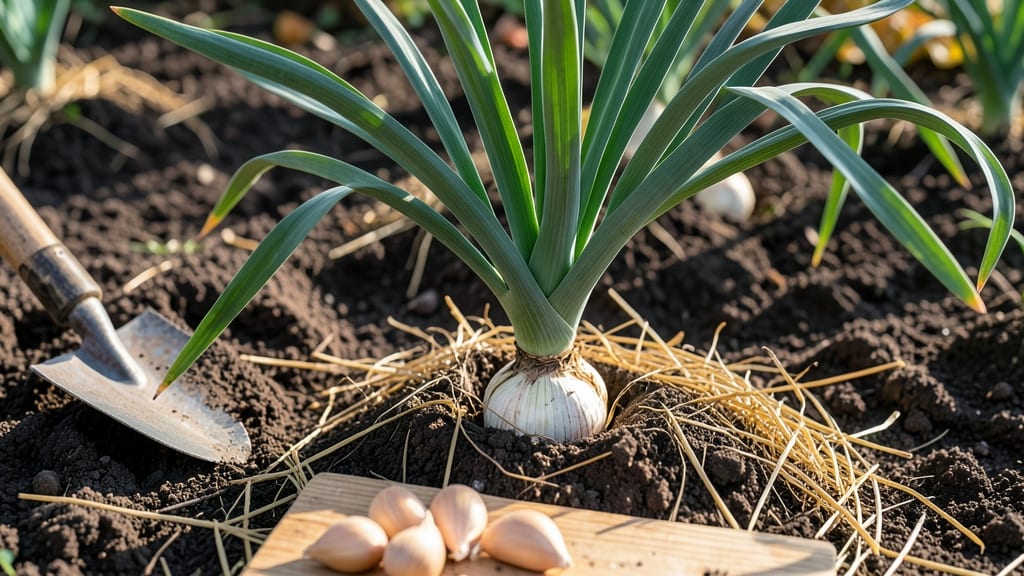
Timing when to plant garlic in Northeast PA isn’t just about throwing cloves in the dirt—it’s the difference between plump bulbs and bitter bolts.
With Zone 5b-6a's unpredictable frosts and short growing seasons, getting the window right (typically October-November) means avoiding wasted effort and ensuring a harvest worthy of your kitchen.
Most gardeners here make one critical mistake: planting too late or too early, leaving garlic vulnerable to winter's whims. I've seen firsthand how a 4-week window before the ground freezes can transform a mediocre harvest into a bounty.
That means no more guessing—just science-backed timing tailored to PA's climate quirks, like early spring cold snaps that can trick garlic into bolting.
What if your fall weather throws curveballs? We'll cover how to adjust planting dates based on soil temperatures and frost forecasts, so you're never left scrambling. Plus, I'll share the top 3 varieties that actually thrive here—no flimsy store-bought cloves that won't survive our winters.
By the end, you'll know exactly when to plant for zero-bolt garlic, how to prep your soil like a pro, and even how to handle those pesky microclimates (yes, the Poconos are different from Scranton!). Let's get your garlic off to the right start this fall.
Optimal fall planting windows for Northeast PA garlic success
In Northeast PA’s Zone 5-6 climate, garlic thrives when planted in a precise 4-week window before the ground freezes. This timing ensures bulbs form properly instead of bolting (sending up flower stalks).
For most of the region, that means mid-October to early November—but exact dates vary by microclimate and soil conditions.
For example, areas near Poconos mountains (Zone 5b) may need to plant by late October, while Pittsburgh suburbs (Zone 6a) can extend planting until early November. The key is planting 4-6 weeks before the first hard frost, which typically hits Northeast PA by mid-December.
Garlic needs consistent cold exposure (40°F or below) to form bulbs, but it also requires 6-8 weeks of active growth before winter sets in. Planting too early (like September) risks bolting, while planting too late (after November 15) may result in stunted bulbs.
Here’s how to pinpoint your exact planting window using local cues:
| Region | Ideal Planting Window | Soil Temp Threshold | Key Cue |
|---|---|---|---|
| Poconos (Zone 5b) | Mid-October to October 31 | Below 50°F (10°C) | First frost by Dec 10 |
| Scranton/Wilkes-Barre (Zone 5b-6a) | Late October to November 10 | Below 45°F (7°C) | Soil reaches 40°F (4°C) |
| Pittsburgh Suburbs (Zone 6a) | Early November to November 15 | Below 40°F (4°C) | First frost by Dec 15 |
| All Regions (Backup) | Early December (high risk) | N/A (emergency only) | Use row covers for protection |
To confirm your local window, check the USDA Plant Hardiness Zone Map for your exact location and monitor soil temperatures with a thermometer. Aim to plant when soil temps consistently drop below 50°F (10°C) at night but haven’t yet frozen solid.
Pro tip: Use a soil thermometer to track temps at 4-inch depth (where garlic cloves will root). Plant when temps hover around 40-50°F (4-10°C)—this gives bulbs enough time to establish roots before winter dormancy.
If you miss the fall window, spring planting is possible but yields are smaller. For spring, plant cloves in early April (when soil reaches 50°F) and harvest by July 4th to avoid bolting. However, fall-planted garlic always produces larger, more flavorful bulbs in Northeast PA’s climate.
For gardeners in Zone 5b (like the Poconos), prioritize planting by October 20 to ensure bulbs mature before the harshest winter sets in. In Zone 6a areas, you have a bit more flexibility until November 10, but don’t delay beyond that.
Remember: Garlic planted in fall enters dormancy naturally and emerges in spring, while spring-planted garlic grows quickly but may bolt faster due to warmer temps. For Northeast PA, fall planting is the gold standard for zero-bolt, high-yield garlic.
How to adjust planting time for zero-bolt garlic in variable weather
Northeast PA’s weather can swing from unseasonably warm October days to early November frost—leaving gardeners guessing whether their garlic will bolt or thrive. The key is flexible timing based on soil temperatures and microclimates.
In the Poconos, for example, you might plant 2 weeks earlier than in the Pittsburgh suburbs due to cooler mountain air.
Use a soil thermometer to confirm 40–50°F soil temps at 4-inch depth. If temps hover above 50°F for more than a week, delay planting to avoid premature sprouting before winter sets in.
Check the National Weather Service’s frost predictions for your specific county—some years, the first frost arrives by October 15, while others push it to November 1.
🚨 CRITICAL: If you’re in Zone 5b (like Scranton or Wilkes-Barre), aim for mid-to-late October planting. Gardeners in Zone 6a (e.g., Erie or Butler) can stretch planting into early November. Always leave 6 weeks before the average first hard frost—this ensures roots establish before dormancy.
⚠️ Warning: Late Planting Risks
Planting garlic after November 15 in Northeast PA increases the risk of small bulbs or bolting the following spring. Soil temps above 45°F in winter can trick garlic into sprouting too early. If you miss the fall window, spring planting (March) is possible but yields 30–50% smaller bulbs.
Pro Tip: Cover beds with 4–6 inches of straw mulch after planting to insulate soil and prevent temperature swings that cause bolting.
For microclimate adjustments, note that south-facing slopes warm up faster—plant these areas 1 week later than north-facing beds. In urban heat islands (like Allentown), soil stays warmer longer, so delay planting by 5–7 days compared to rural areas.
Always test soil moisture before planting: soggy soil in fall can rot cloves before winter.
If unpredictable weather has you second-guessing, try the "two-stage planting" method: plant half your cloves in early October and the rest in mid-November. This hedges your bets against early frost or warm spells. Just label your rows to track which batch performs better!
Finally, avoid planting garlic if your area is forecasted for freezing rain or ice within 48 hours. Ice can crush emerging shoots before they establish. Instead, wait for dry, cool conditions with nighttime temps below 40°F—this signals garlic it’s time to settle in for winter. 🌱