
Plants
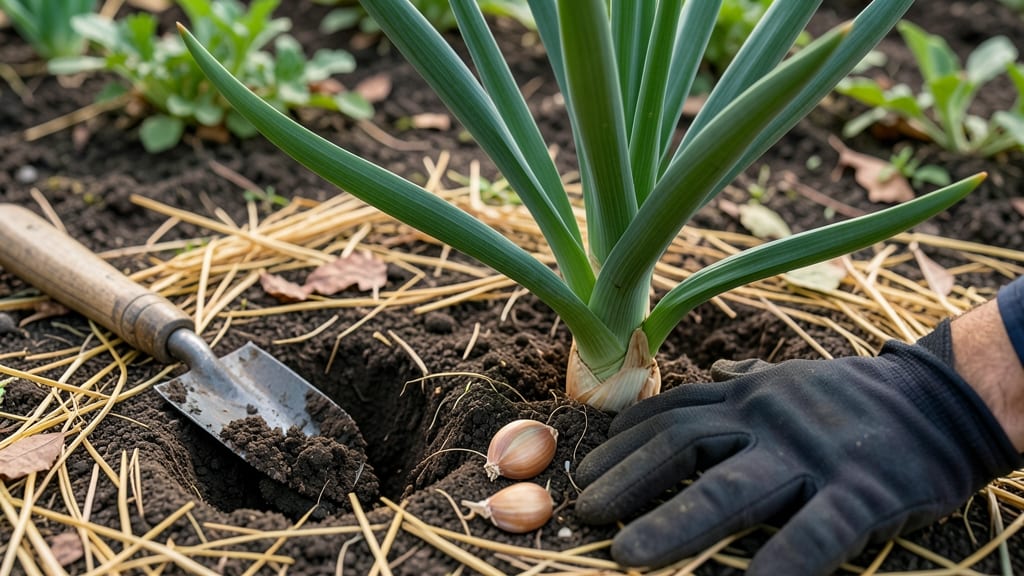
Timing your garlic planting in Northeast Ohio isn't just about luck—it's the key to growing bold, flavorful bulbs that thrive through harsh winters. If you miss the 4-week window between October and November, you risk bolting cloves or stunted growth, leaving you with less-than-stellar harvests.
Here's the secret: hardneck varieties like those perfect for Zone 6a need cold exposure to develop properly. Planting too early means cloves may sprout prematurely, while waiting too late risks freezing before roots establish.
I'll show you exactly how to nail the timing—plus how to adjust for Northeast Ohio's unpredictable frosts.
You'll discover why soil temperature matters more than calendar dates and how to test your garden's readiness. We'll also cover local challenges like heavy clay soil and how to prep it for garlic success. By the end, you'll know precisely when to plant for maximum yield and minimal stress.
Ready to grow garlic that rivals store-bought? Let's dive into the exact methods that work in Northeast Ohio's climate—no guesswork required.
Northeast Ohio’s exact planting window for hardneck garlic (with frost deadline)
Northeast Ohio’s Zone 5-6 climate demands precision when planting hardneck garlic. The ideal window is mid-October through November 1st, but timing depends on your last frost date and soil temperature. Planting too early risks premature sprouting, while late planting may lead to smaller bulbs or bolting.
For maximum bulb size, aim to plant 4-6 weeks before the ground freezes. In Northeast Ohio, this typically means late October to early November. Hardneck varieties like 'German White' or 'Music' thrive in these conditions, producing bold, flavorful cloves perfect for braiding and storage.
Here’s the critical timeline to follow: soil temperatures should be below 40°F (4°C) but not frozen. Use a soil thermometer to confirm—plant when temps hover around 35-40°F (2-4°C). This chilling period triggers bulb formation and prevents bolting.
| Stage | Action | Notes |
|---|---|---|
| Soil Prep | Test pH (6.0-7.0) | Use compost for drainage |
| Planting Window | Mid-October to Nov 1 | 4-6 weeks before freeze |
| Soil Temp | 35-40°F (2-4°C) | Use thermometer to confirm |
| Depth | 2 inches, pointy end up | Spaced 6 inches apart |
| Mulch | 4-6 inches straw | Insulates roots over winter |
If your last frost date arrives early (e.g., late October), shift planting to September 15th. Conversely, if frosts linger into November, extend planting until November 15th. Microclimates matter—gardens near Lake Erie may stay warmer longer, while inland areas freeze sooner.
For hardneck garlic, the cold stratification period (6-8 weeks below 40°F) is non-negotiable. Without it, bulbs won’t develop properly. Softneck varieties (like 'Silverskin') can tolerate later planting but won’t yield as large bulbs in Ohio’s climate.
Pro tip: Break apart garlic bulbs into individual cloves right before planting. Use the largest cloves for biggest bulbs—they’ll produce 30-50% more yield than smaller ones. Discard any cloves with soft spots or mold to avoid disease.
After planting, mulch heavily with straw or leaves (4-6 inches) to insulate roots. This prevents heaving during freeze-thaw cycles and protects against rodent damage. Remove mulch in early spring once soil thaws to 45°F (7°C).
Monitor soil moisture—garlic needs consistent dampness but no waterlogging. In Northeast Ohio’s winter, snow provides natural hydration, but dry spells may require occasional watering. Aim for 1 inch of water weekly during dormancy.
By following this 4-week window and soil temp guidelines, you’ll avoid bolting (when garlic flowers prematurely) and maximize bulb size. Hardneck garlic planted correctly in Northeast Ohio can yield 10-12 cloves per bulb—worth the precision!
How to time garlic planting by moon phase and soil conditions (local Expert Tips)
Northeast Ohio’s unpredictable fall weather means garlic planting isn’t just about dates—it’s about soil temperature and moon phases. Local gardeners swear by planting during the waning moon (after the full moon) for stronger roots, but soil readiness is the real game-changer.
If your soil stays above 40°F too long, your cloves will rot before winter sets in.
Test your soil’s readiness by sticking a thermometer 4 inches deep. The ideal range is 40–50°F—this signals the ground will freeze soon enough to protect your garlic but not so fast that roots can’t establish.
In Zone 6a, this usually aligns with mid-October to early November, but watch for those early frosts—they can sneak up by mid-October in higher elevations.
- Plant during the waning moon (after full moon) for deeper root growth and larger bulbs.
- Adjust for microclimates: Valley areas (like Akron) can plant 1 week later than hilltops (like Geauga County).
- Use a soil thermometer—don’t guess! Aim for 40–50°F at 4” depth before planting.
For largest bulbs, pair your planting with these local soil prep steps:
- Add compost (2–3 inches) to improve drainage—Northeast Ohio’s clay-heavy soils need this.
- Avoid fresh manure, which can cause bolting.
- Mulch heavily (6+ inches of straw) to insulate cloves through winter’s freeze-thaw cycles.
If you miss the ideal window but still have cloves, don’t panic. Planting in early December can work if the ground isn’t frozen, though yields may shrink by 20–30%.
The key is soil temperature, not just the calendar. Use a garlic planting guide with your local frost dates to fine-tune timing.
Pro tip: Hardneck varieties (like Music or German White) thrive in Ohio’s climate, but softnecks (like Artichoke) struggle with our winters. Stick to hardnecks for bold flavor and reliable harvests.
Remember: Patience pays off. Garlic planted at the right time in Northeast Ohio rewards you with plump, flavorful bulbs—not the puny, bolting disappointments of off-schedule planting. 🧄